
It’s finally here! The time we’ve all been waiting for (I feel like Anna in Frozen). The time to start your peppers and tomatoes. Not exactly sure why there is so much excitement around tomatoes and peppers (I’m personally more of a green bean and squash kind of girl) but I’m guessing because we are all so ready to be outside in our gardens and this is a tell-tale sign that we are getting closer to Spring. Yipppeeee!
I’m not going to walk you through how to start seedlings – there are a gajillion videos you can watch that detail every step (here’s a good one from The Rusted Garden). What I am going to share are a few of the tips and tricks I wish I had known my first two years.
Supplies:
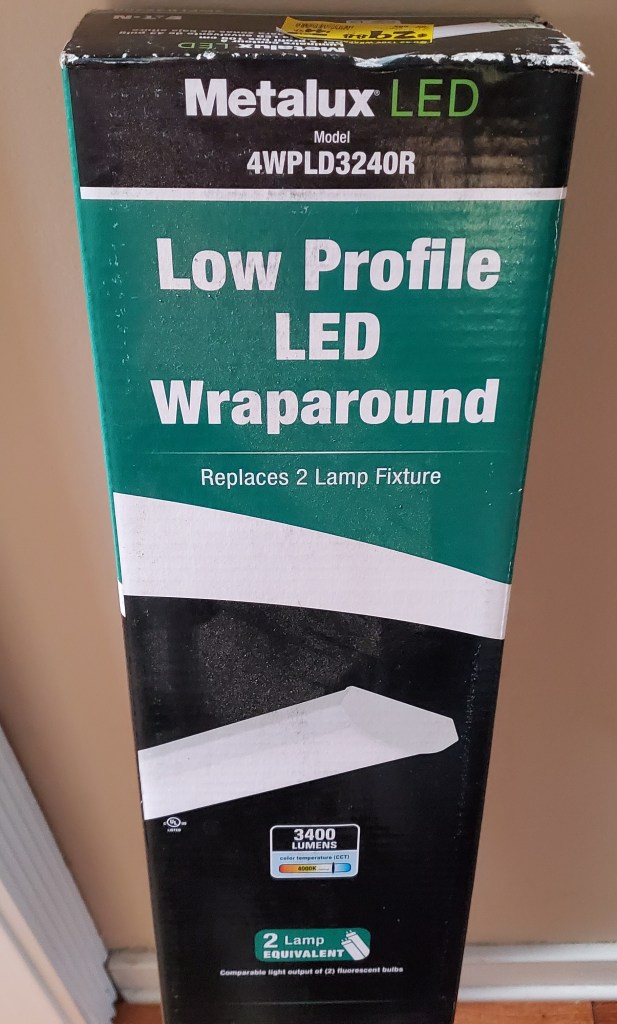
- Grow lights – 3000-5000 Lumens and you want them to be ‘daylight’ (These should cost you no more than $20-40 and will last many, many years. You can see the sale sticker on mine from home depot.)
- Growing medium –
- Cells or containers – recycle something if you can, e.g. clamshells, egg trays, plastic cups.
- Water
- Fertilizer – I’m using Agro Thrive this year
- Labels – popsicle sticks, toothpicks with a post it, paint stirrers
Timing: Don’t be like me and start everything in February (depending on your growing zone) and then lose steam by early April so that you end up having to buy starts at your local nursery. Slow and steady wins this race. And by staggering your start you give yourself time to work out any kinks in your setup – like lighting, watering, feeding, etc.
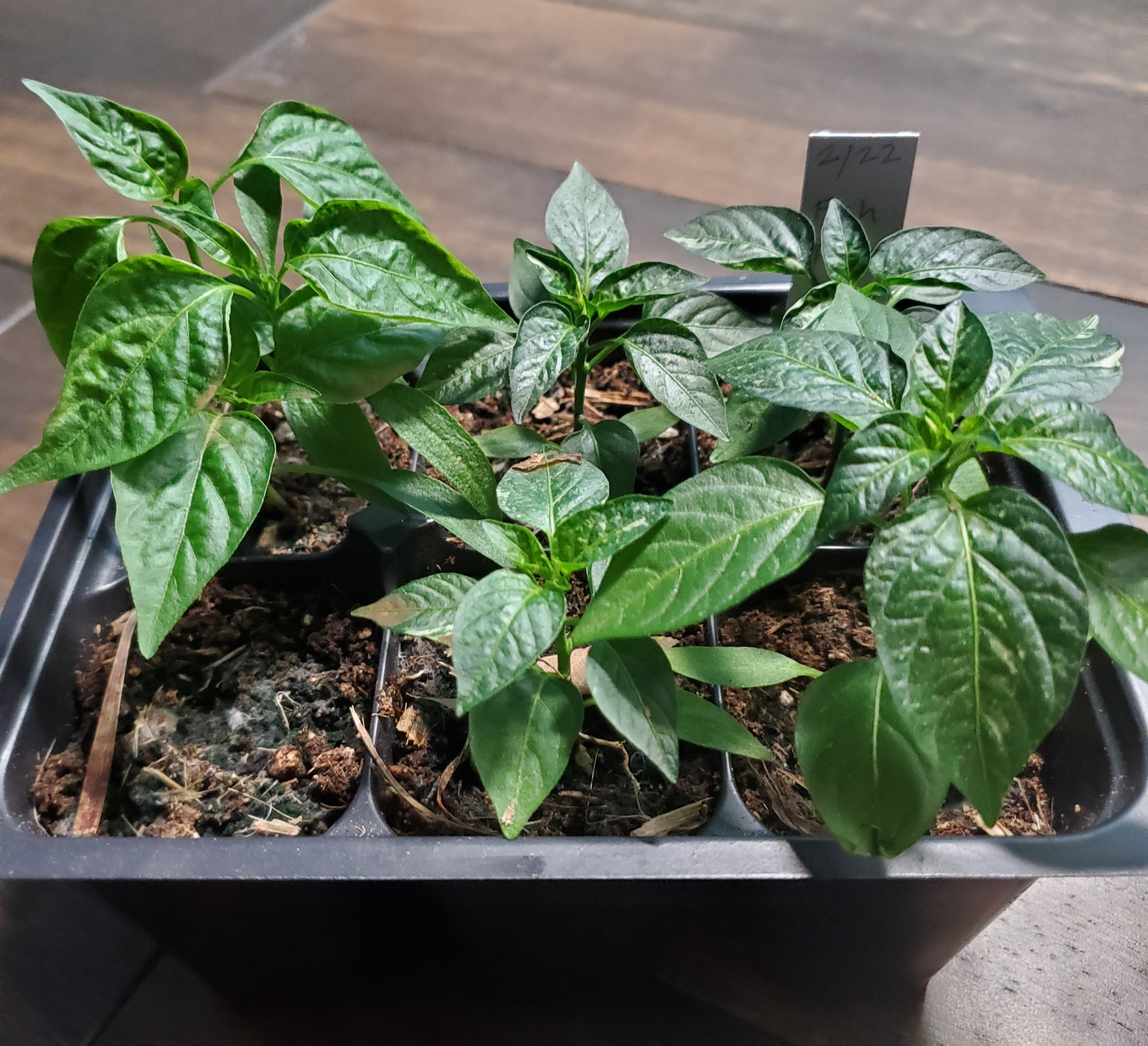
- Hot peppers need to be started 10-12 weeks before your last frost date.
- Sweet peppers need to be started 8-10 weeks before your last frost date.
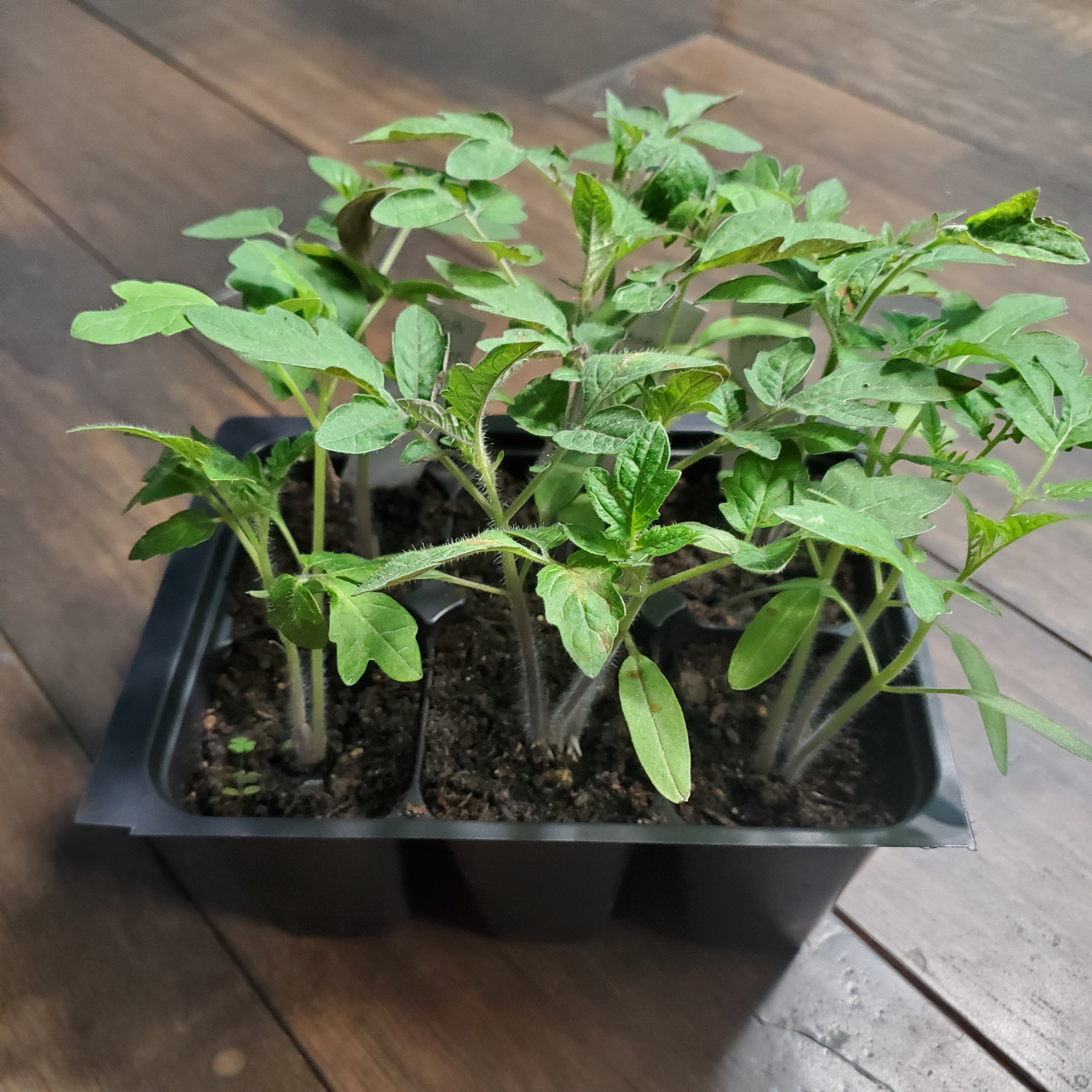
- Tomatoes can be started 6-8 weeks before your last frost date.
Start:
- Get a growing mix that is a mix of peat moss, perlite and vermiculite. This means there is no organic material in it and you must use a fertilizer within a few weeks. (I did not do this in the past and after about 4-5 weeks I never understood why mine became leggy and withered. Shocker!)
- Moisten and pack the mix into your containers or cells.
- Put 2-3 seeds in each cell or container.
- Label what you planted with the date.
- Leave the containers in a warm spot for Days 1-3.
Germinate:
- Days 4-7: give them 24 hours of light
- Days 8-14 (week 2): give them 16 hours of daylight. Most if not all should have sprouted by the end of the second week.
Maintain:
- Week 3 and beyond: give them 12 hours of daylight.
- Water weekly when you notice the growing medium has become a very light brown and is dry to the touch.
- Feed weekly at a very diluted ratio, as close to 1:1:1 (N-P-K) as you can get.
- Watering and feeding are not the same, but you may do them simultaneously. Do NOT overwater and have constantly soaking wet soil. You are going to get mold. Water from the bottom so the roots can soak up. Similarly do not overfeed thinking you’ll get super human plants. Too much of a good thing is not good 😊
- Have a fan in the room to create some air flow to avoid the above mentioned mold issue and to help your starts get stronger.
That’s all folks. It’s not rocket science but you do need a few essentials to get started and then Va-Va-Voila! Vegetables in your backyard.
 farmcharmblog.com
Pingback: Spice Up Your Life: Plant your hot peppers
Pingback: Plant sale? Do it!