If you keep chickens, ducks, or turkeys on your homestead, I’m guessing you are paying close attention to all the reports and information circulating about HPAI – highly pathogenic avian influenza. This is the first time I’ve had chickens to worry about when an avian flu is widespread. It’s also strange to me that there have been a few odd sicknesses impacting birds over the last year. Something’s happening here… what it is ain’t exactly clear…
I’ve read a number of articles just to understand what precautions I could and should take to help protect my flock. To be completely honest, it’s quite confusing and I haven’t found anything to be that useful or clear with regard to prevention. I’m still not sure if there is anything I can do that will make a difference or if it’s just luck or bad luck of the draw as to whether your flock gets infected. Sadly, I did get an email from Murray McMurray Hatchery, who I had placed an order with in the winter for another 15 chicks, and they had a confirmed positive test for HPAI in one of their barns. Which means I won’t be getting the silver and golden Polish chicks I ordered, or the golden and blue laced Wyandottes. How sad for them. Truly tragic.
In the hopes of saving even one person from this heartache, here are the tips I’ve found. These seem like standard good hygiene practices to follow all the time.
- Minimize the risk of contamination from outside your coop to inside your coop by doing the following:
- Wash your shoes/boots before entering or wear shoe covers.
- Use equipment and gear specific to your flock and nothing else.
- Keep feeders and waterers in your coop so that wild birds aren’t using them.
- Keep your feeders and waterers clean by washing them often.
- Cover your pen or run so that droppings from wild birds can’t contaminate their space.
- Wild waterfowl carry high levels of the HPAI virus. Keep ducks and geese away from your flock. If you raise ducks, keep them separate from your other flocks.
- Only buy new birds from a trusted source, e.g. not craigslist.
- Watch your flock closely for any signs of illness and report it to your veterinarian and local cooperative extension office immediately. Signs to look for include: lack of energy and appetite, lowered egg production, misshapen eggs, discolored comb and wattles, diarrhea or sudden death.
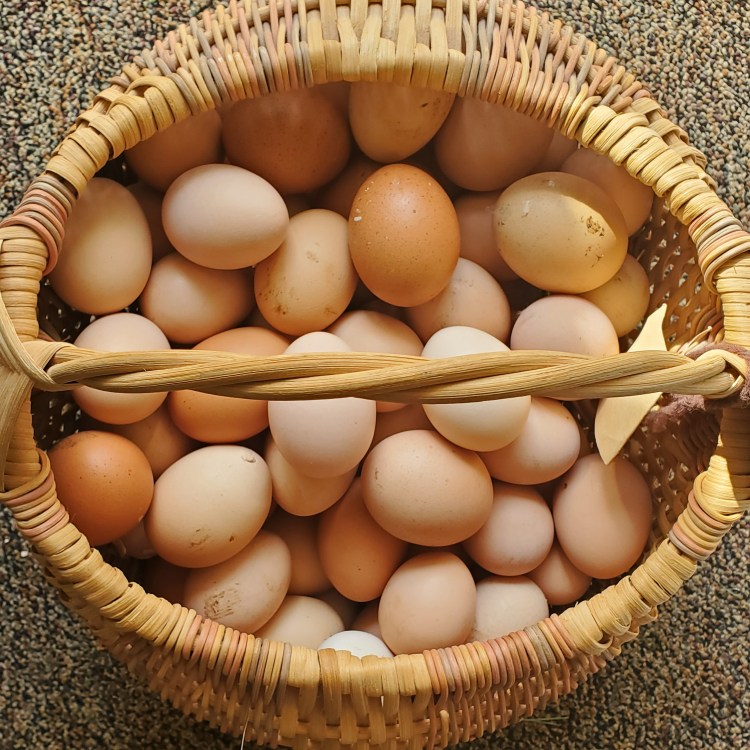
Has HPAI impacted your flock? What have you done to protect your birds? Please share any advice that will help all of us stay safe.
 farmcharmblog.com