Compost: The Triple Win

A few days ago it was 60 and sunny. I was wearing just a t-shirt outside doing yardwork. An that’s not really a thing here in the mid-Atlantic in winter.

If you’ve been experiencing unseasonably warm weather like us, that’s a great time to turn or dig out your compost pile.

There are so many different styles of compost bins across quite a few price points. I tend to prefer simple and have had really great results with a just a pile enclosed by mesh like this. Our local department of environmental services gives these away for free if you request one. And this composter was on our property when we moved here 4.5 years ago and it’s been pretty great.  I don’t know how long it was used before us but I will say it’s showing signs of wear and UV damage.

There’s no wrong choice when it comes to compost bins, but you should consider what is best for your living space.  Will it be on a deck or balcony very close to your home?  Or do you have a yard with more space? These factors determine what size makes sense as well as how secure you’ll want it to be. I’ve never had a smell issue with mine, but that and attracting rodents is most peoples number one concern.

If you are new to composting, it’s really not hard and will be LIFE CHANGING.  When I started composting in my 20s, it cut my trash in half. I used to live in a townhome with no yard and couldn’t plant anything so I never benefited from the compost in terms of being able to use it.  But I like to think the Earth benefitted by not sending all those food scraps into a landfill.

The main rule to follow with composting is no animal products – nothing fatty or greasy. Everything else is either a ‘brown’ or a ‘green.’

  • Browns are things that are carbon rich. I think of them as being the dry stuff from my yard, like leaves and grass clippings.  You can also use cardboard and paper bags. 
  • Greens are things that are nitrogen rich. This is pretty much everything from your kitchen – produce scraps, coffee grounds, and tea bags. I consider this the wet stuff.

Many people believe there needs to be very precise ratios of browns to greens. I’ve never been that particular and I’ve always had great compost results. To keep it simple, think of it as a 70/30 or 60/40 split. You just want to keep adding browns to absorb the wet and stink of greens.
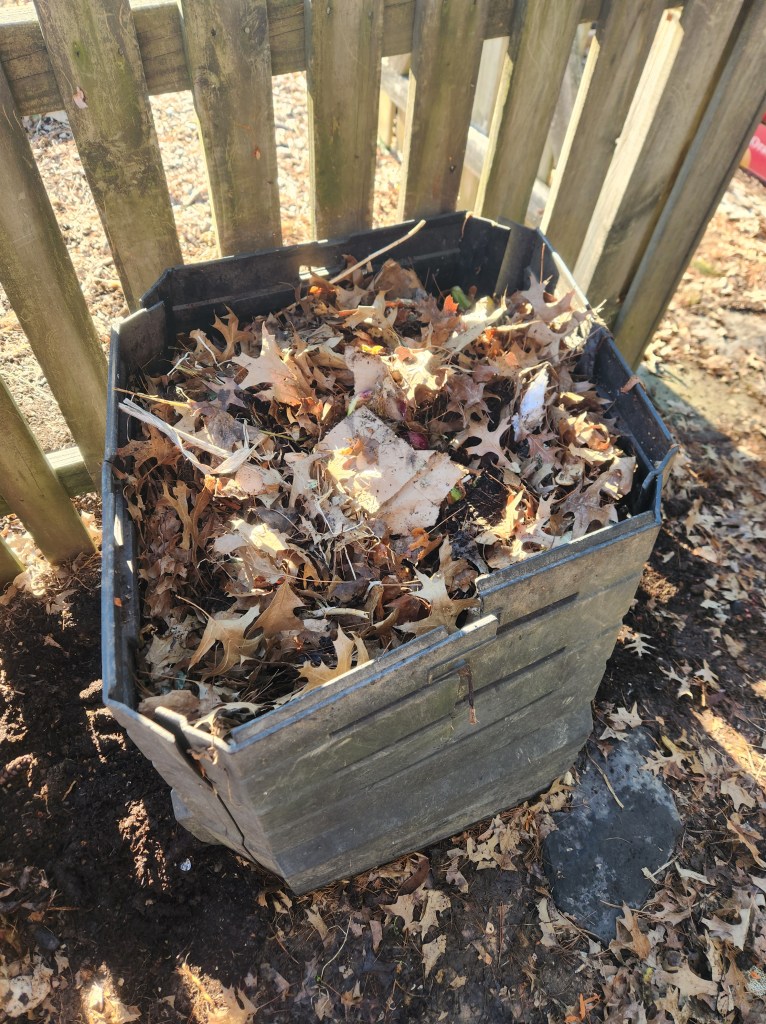
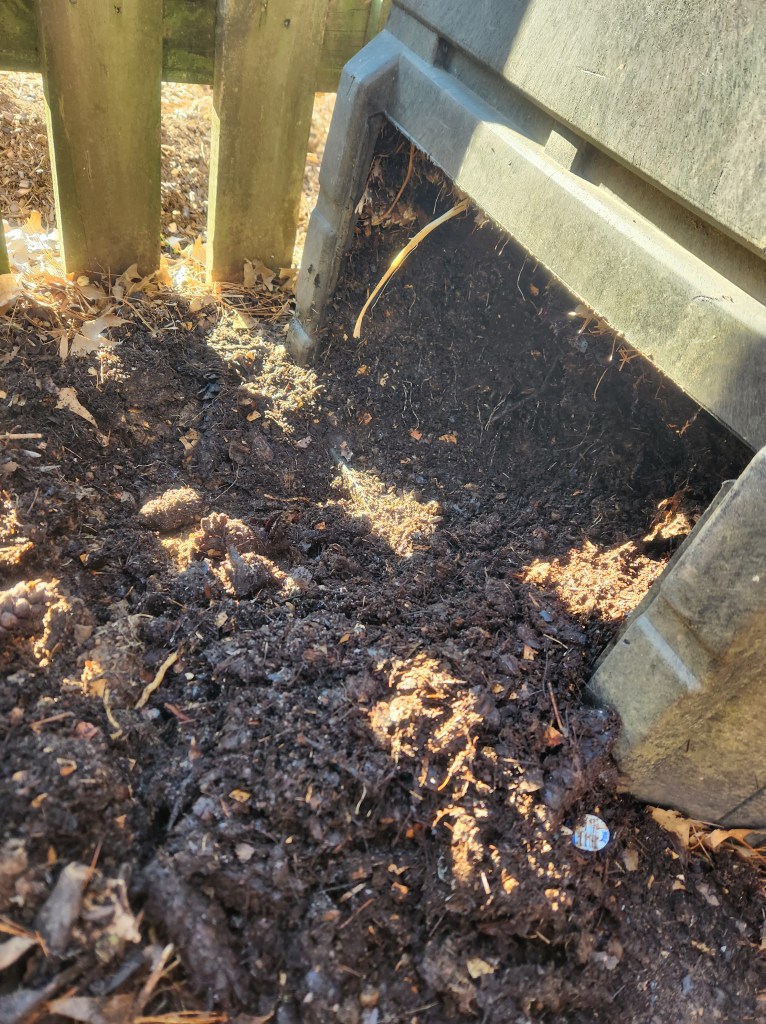
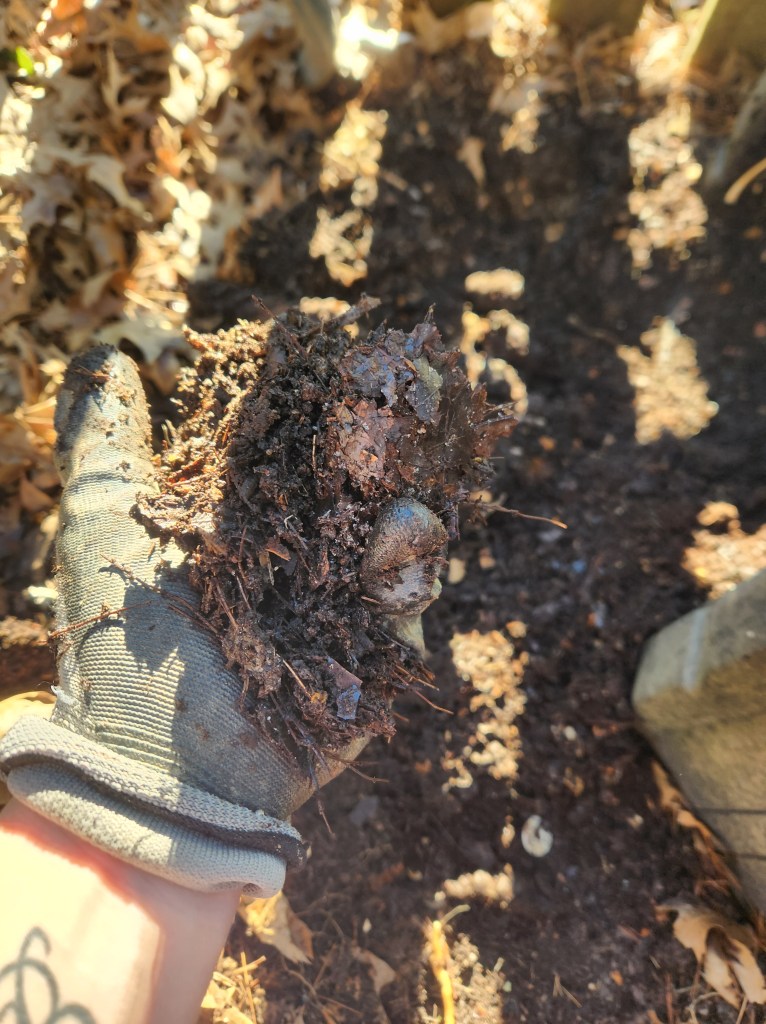
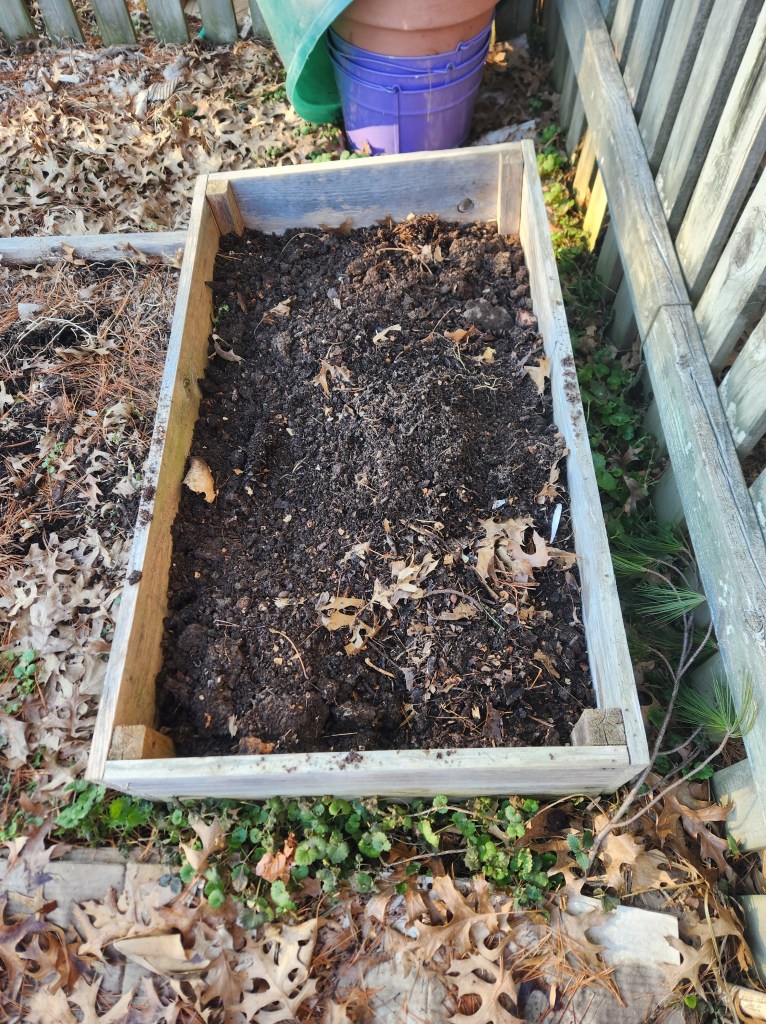
I have a countertop bin that I keep under the sink that’s about ½ a gallon and I fill it up approximately 3-4 times a week. Every time I take it out to the compost pile, I cover the fresh green addition with a layer of leaves I keep in a pile nearby. Then, as the bin gets full, I simply dig out the fresh, beautiful compost from the bottom and voila! My garden beds get replenished with black gold. It’s a triple win: less trash, free compost, healthy garden beds.
2022 Garden Review

So how was 2022 for you? It’s not always easy to take stock of how much we accomplish in the heat of growing and harvesting. There really is something enjoyable, satisfying and inspiring about wrapping up all the hard work of the spring, summer and fall growing seasons and acknowledging how far you’ve come, how much you’ve learned. If you haven’t stopped to give yourself a high five or pat on the back, go ahead and do so now.

I’m a pretty Type-A person. I’m honestly not even sure what that means because I’ve never heard someone referred to as a Type-B person.  Feels like we’re talking about blood type or something. In any case, I guess that means I like planning, organization, predictability. Some might call this a control freak. But I can proudly say this was the first year I really let a lot of that go and just enjoyed my time in the garden.  It wasn’t about things looking perfect or going perfectly, it was about enjoying all parts of the process. It honestly felt like so much less work even though I did tons more. That’s the accomplishment I’m the most proud of. And because I’m still who I am, here’s my list of garden successes and lessons.

Success!

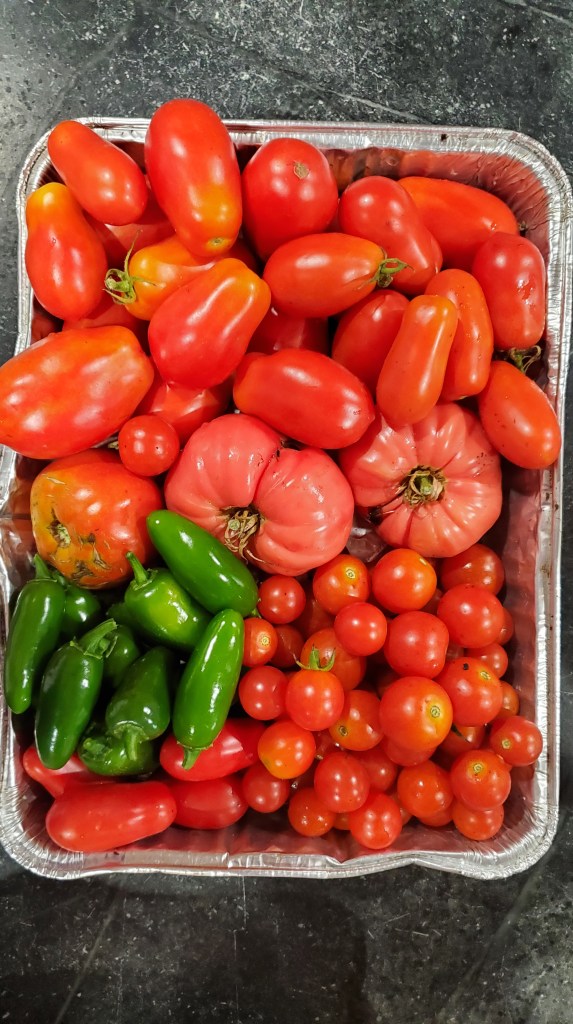
  • The tomatoes grew really well and stayed very manageable. The T-posts and fence approach is the way to go.
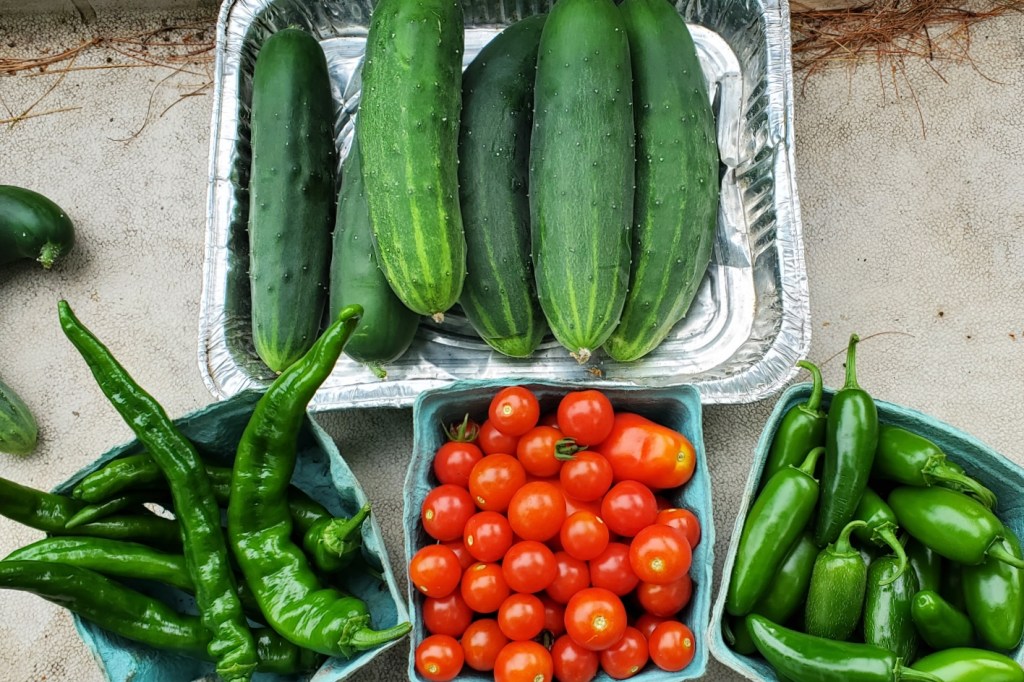
  • The jalapeno crop was super strong from eight plants. I think I canned 12 half pints of my cowboys.
  • Cucumbers were insane. Absolutely way too many. I’ll do maybe one plant next year.
  • Garlic did great! I just need to plant more of them and more closely – which I attempted to.
  • Beets were un-beatable (sorry – had to do it!). Twenty or so plants each of golden and ruby were more than enough to can and eat fresh on salads.
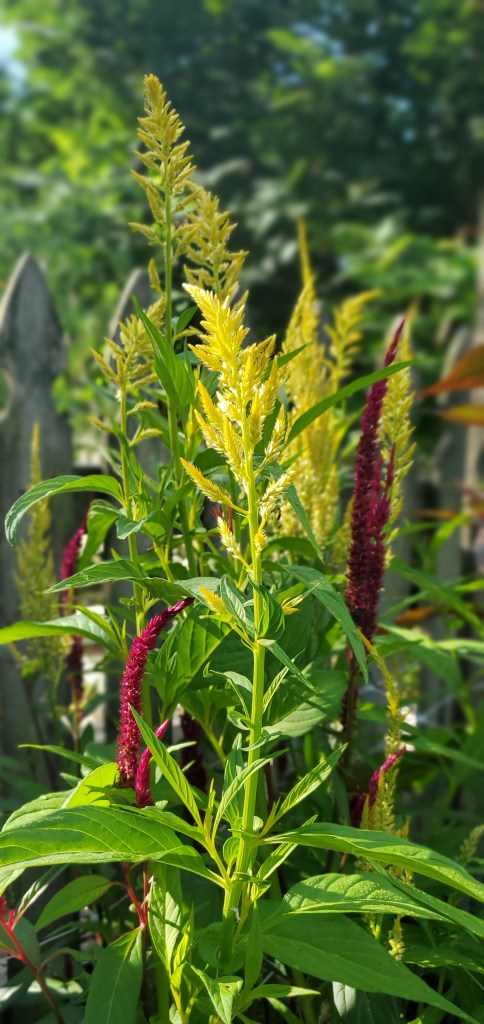
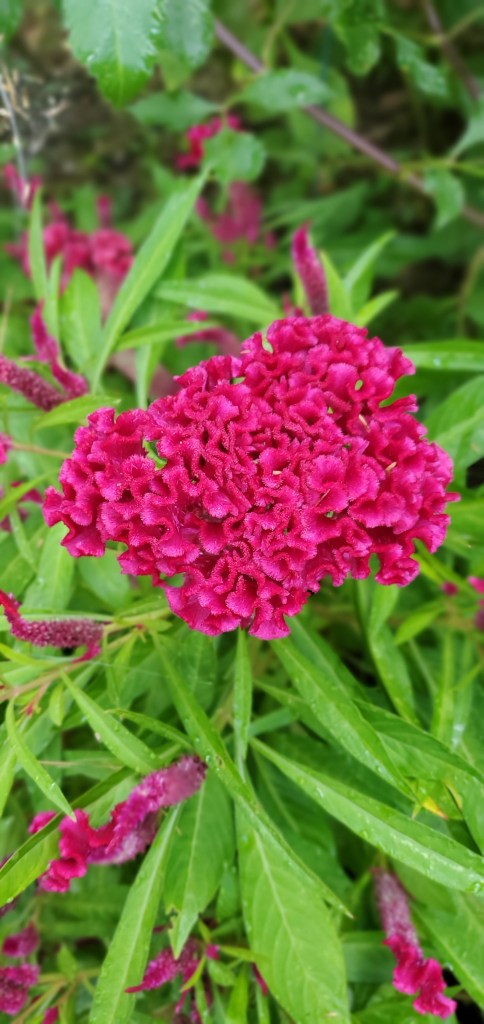
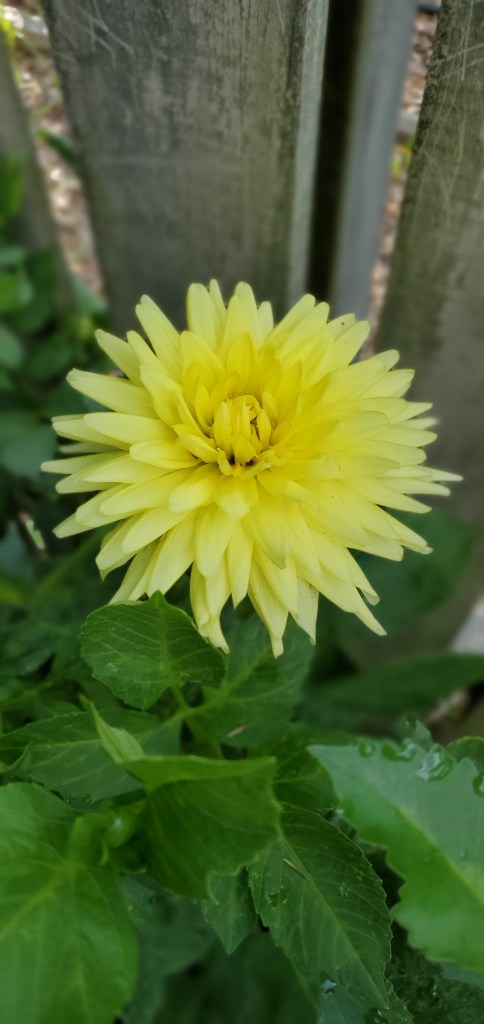
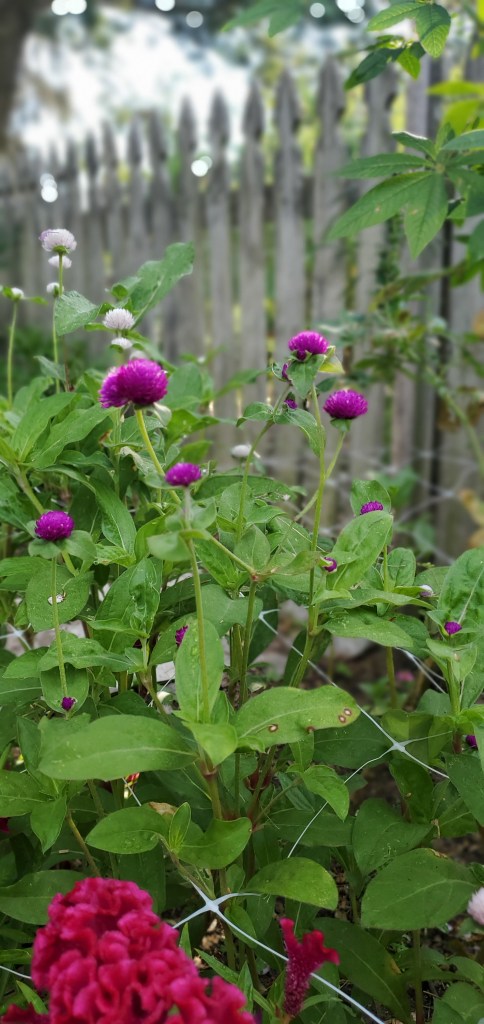
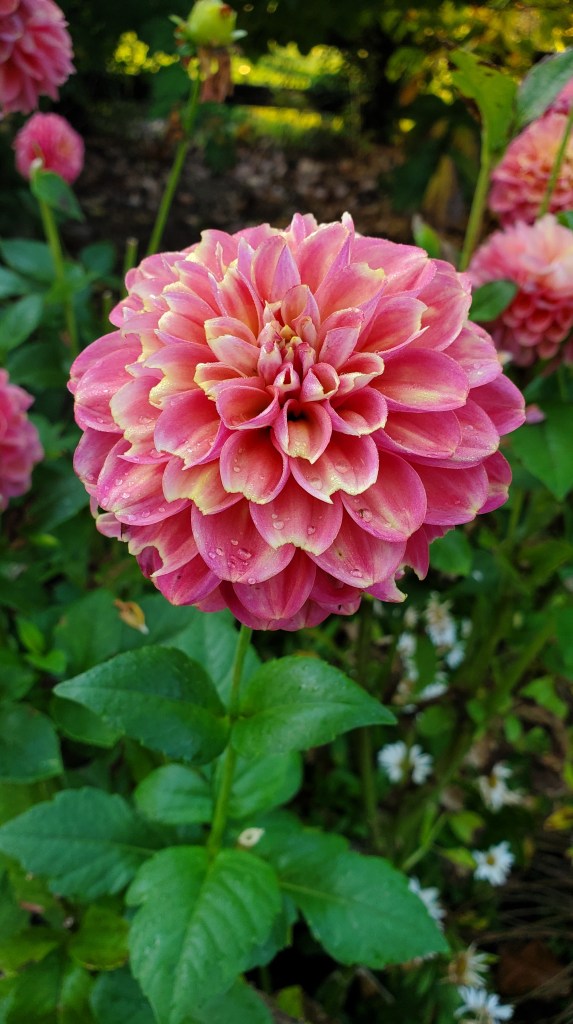
  • FLOWERS!  The celosia, cockscomb, dahlias, gomphrena, and nasturtium were all fantastic. And I’ve planted nearly 500 bulbs for next year. Wahoo!

Just Okay

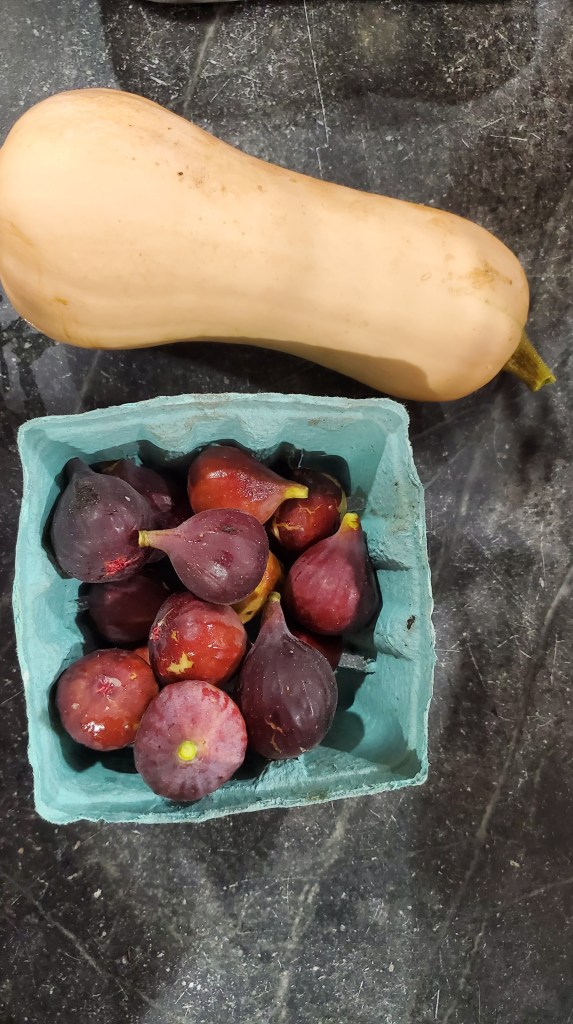
  • The berry bushes and figs had only moderate production. We cut them way back last fall so I’m thinking they were recovering this year. I guess I’ll know next summer.  We had a lot to eat fresh but not anywhere near enough to can.
  • Carrots were decent. I had enough for the whole summer but they weren’t very “traditional” looking. I will need to thin them more next season because I think they were too close together.
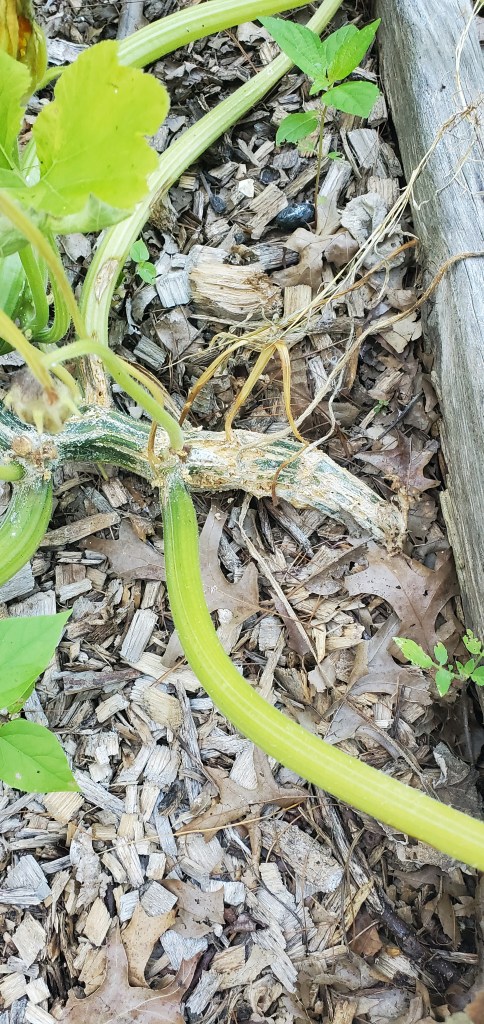
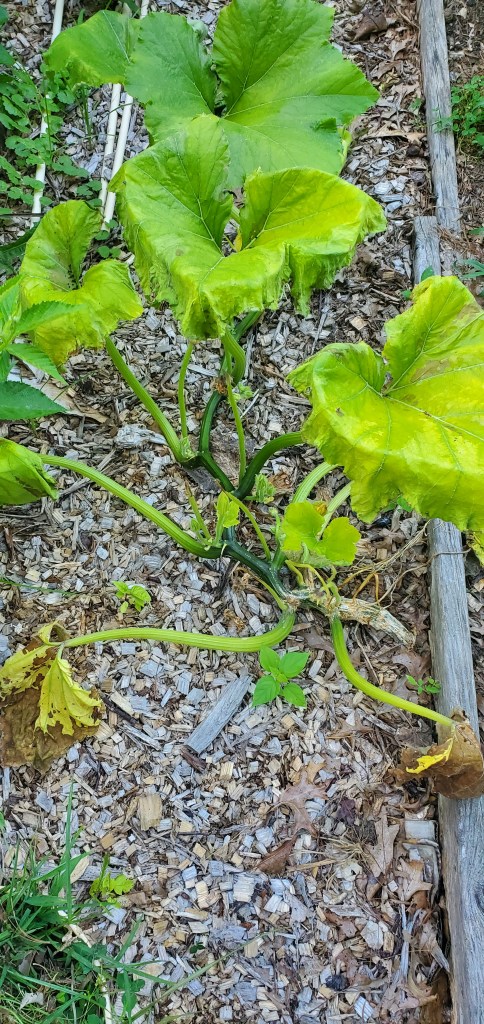
  • I only got 6-8 butternut squash from two plants before the squash borers destroyed them. I thought I was applying DE with success but that didn’t end up lasting. Still gotta figure out the right defense and management approach.
  • I had three okra plants and just love how they look. But three aren’t enough to have a good amount to eat at any one time.
  • The area I designated for the perennial flowers was tough to manage and weed. I either need to be more diligent about it or be more diligent about it.
  • Cosmos and sunflowers needed to be watered more and supported better (would say the same for the dahlias). These are fail proof flowers and I could have had way more production.

Whomp Whomp 😦

  • Green beans were sort of similar to okra with not enough plants to ever harvest a decent amount at once and can them. Also, I used a bunch of volunteer plants and didn’t know what variety they were and they were not what I wanted. I’m going 100% pole next year with Seychelle.
  • The spring weather was weird very wet and cold for a while so I never really got any lettuce.
  • I only planted two red and two orange pepper plants and one of each was on the struggle train all summer. For that reason, I’m going to plant three each next year.
  • Too many cherry tomatoes and not enough slicers.
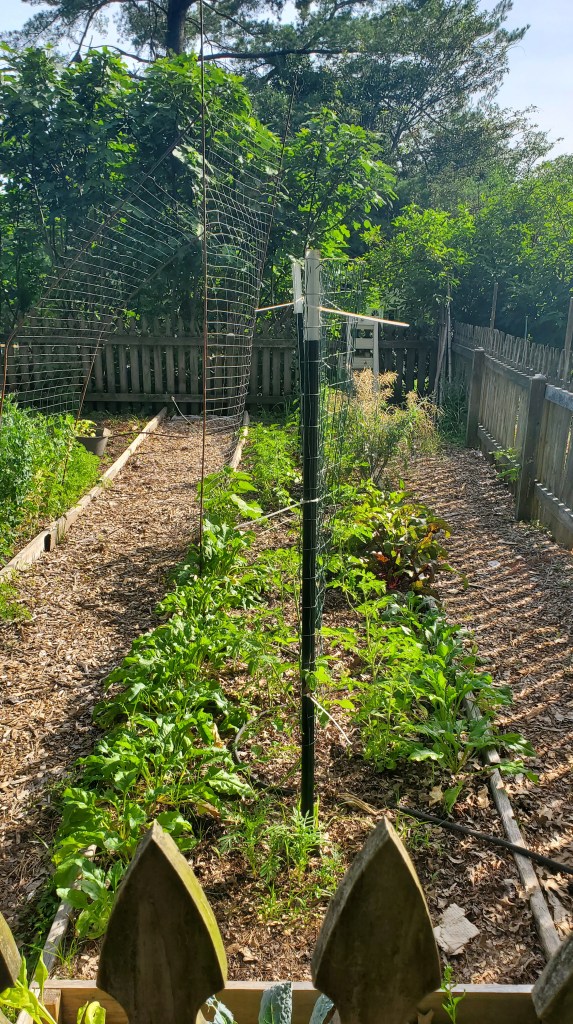
  • I’m officially throwing in the towel on zucchini for at least a year. The squash vine borers have demoralized me enough to give up temporarily.
  • I planted my zinnias too close behind the celosia so they didn’t get enough sun early on and by the time I succession planted more it was too late to get a great harvest.

Beans, Beans the Musical Fruit

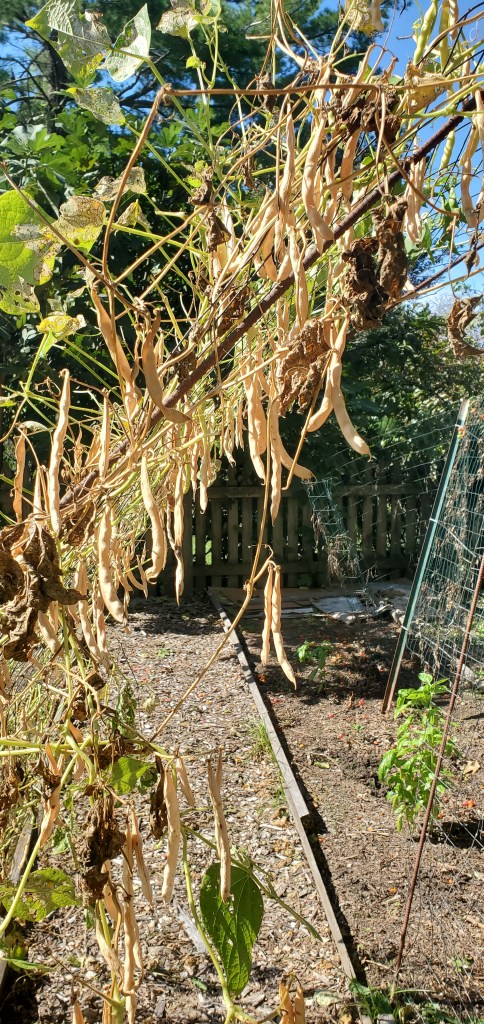
I feel like I’m on a roll with my fall clean up. I better be – frost is on the way. As part of my clean up, I had pulled all my beans off the trellis. I did this a few weeks back after four or five really sunny days when I knew they’d be dry. That’s pretty much the only challenge in saving dry beans – making sure they are completely dry.  Any moisture at all could lead to mold and rotting.

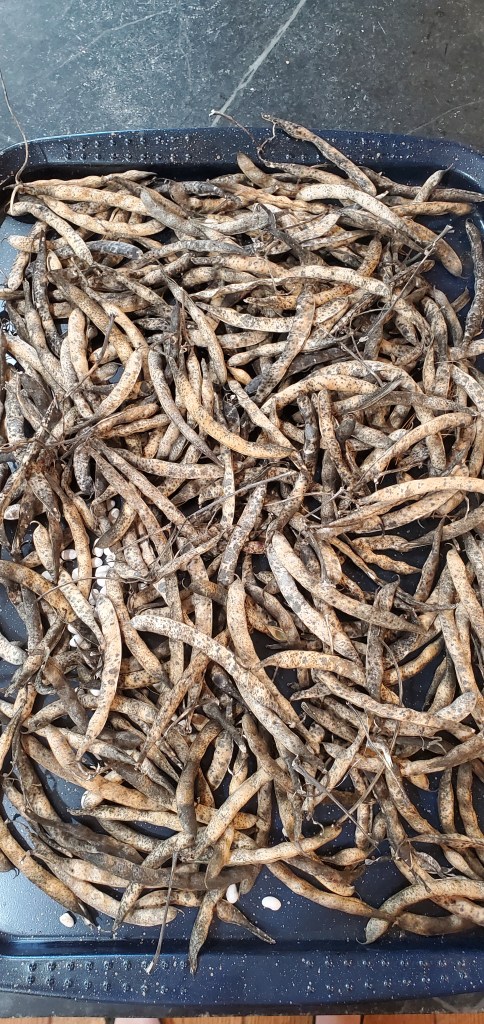
This pile of bean pods is from 8-10 silver cloud cannellini bean plants. I put them in the ground in August as I was taking out some of my lower producing pole beans. I let them pretty much do their thing until the weekend of Halloween.  Then my 7.5 year old and I spent about 20 minutes taking them down off the trellis.

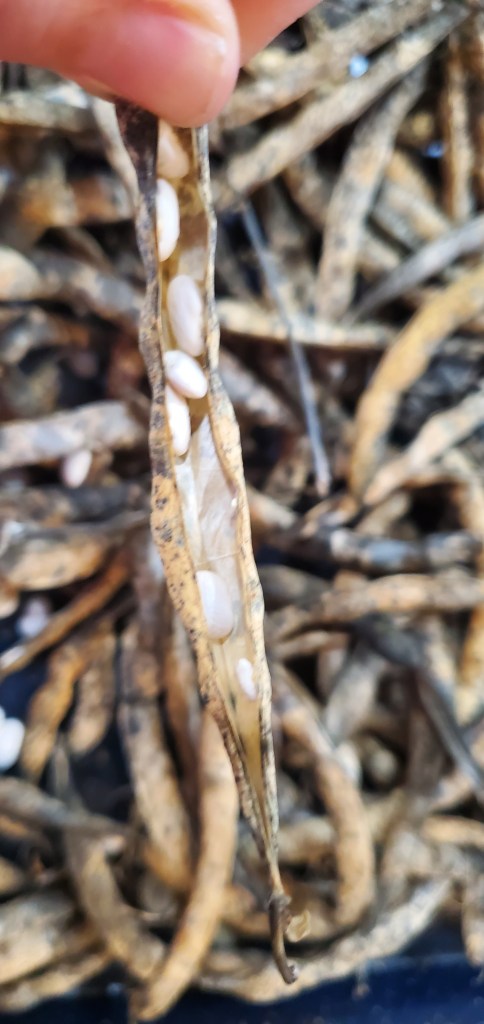
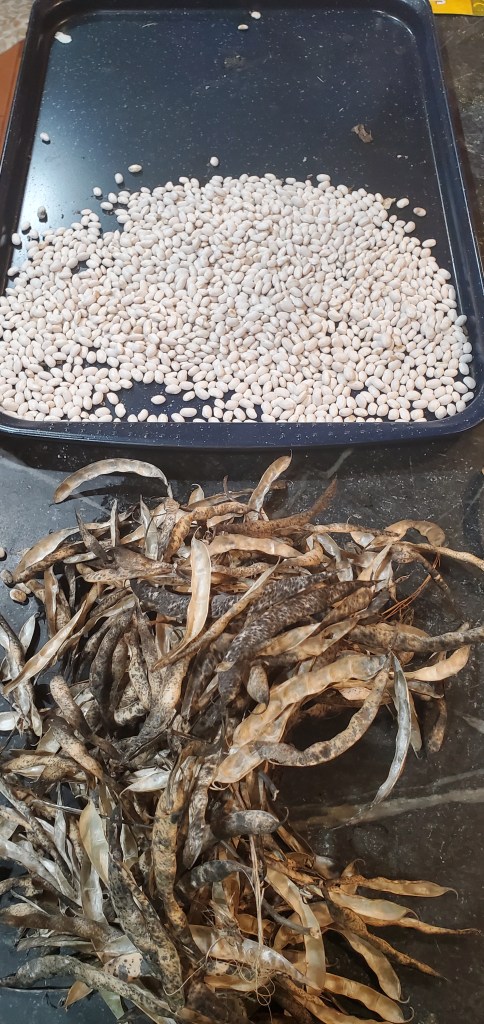
I laid them out to dry for another few days on this cookie sheet as a bit more insurance against any mold issues. Then I spent just a few moments each day popping the beans out of the shells. It was relaxing oddly enough. 

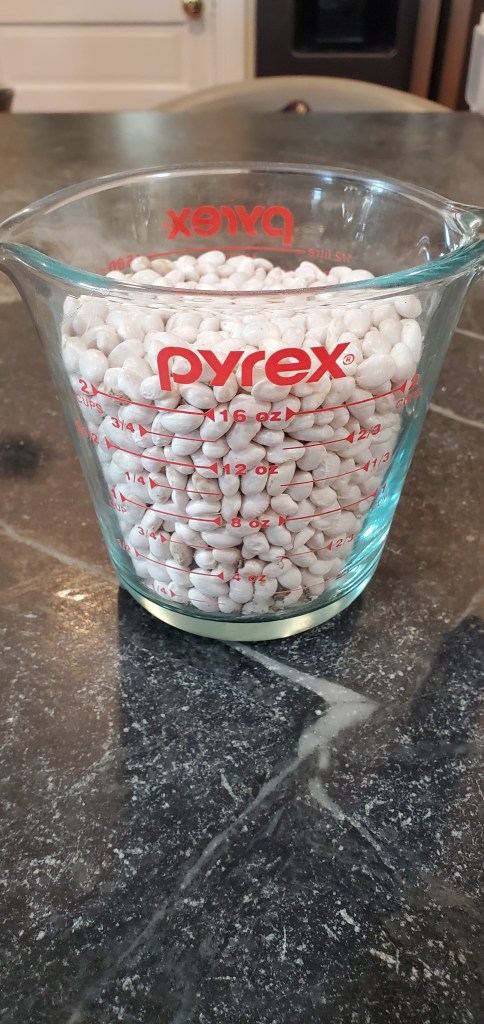
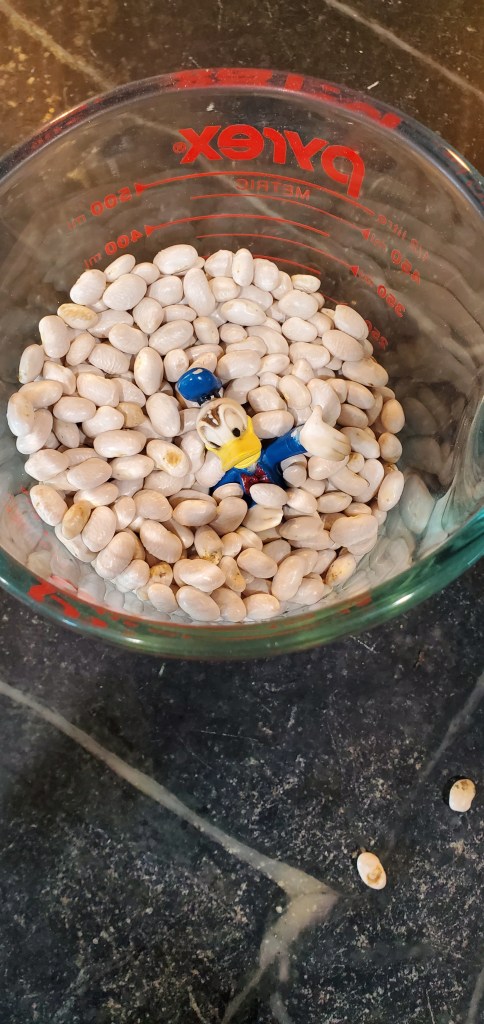
And easy as that, 2 cups of dryer beans (plus a mysterious visitor – my kids make me laugh) for some winter soups.  I’ll definitely be planting more of these again next year!

Give Cover Crops a Chance

I’ve never planted cover crops successfully. The last two years I’ve thrown down rye seeds at some point in the fall and just hoped for the best.  Well, as they say, hope is not a plan so that approach didn’t really get too far.

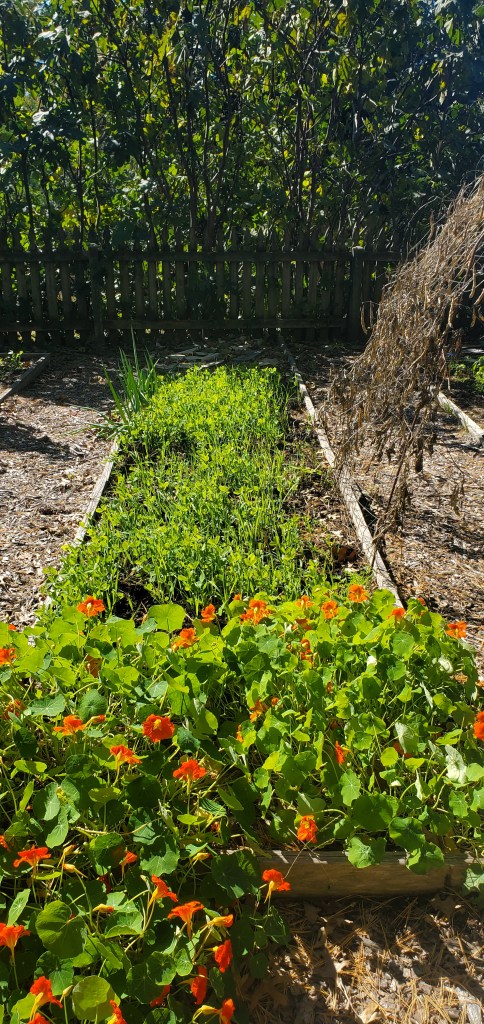
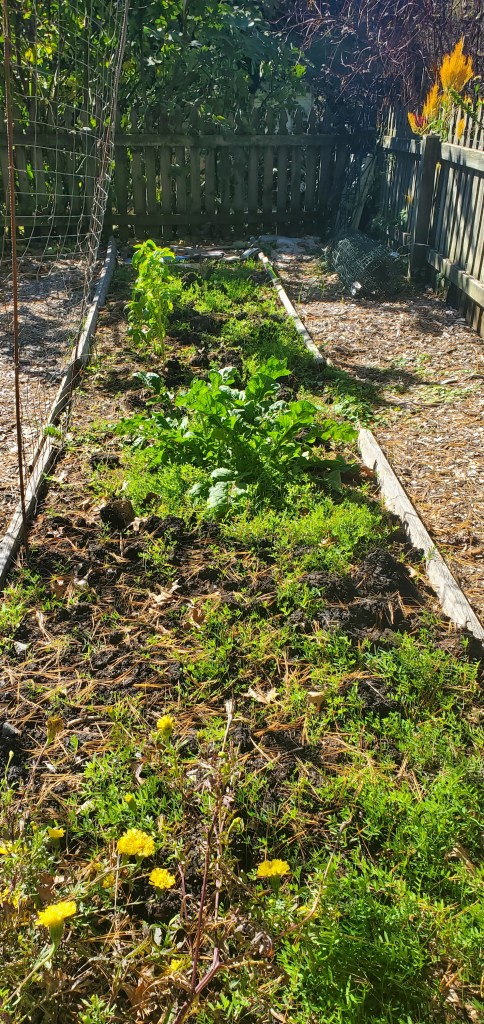
This year I bought two different ½ pound bags to spread across my three garden beds that are about 3’ x 20’ each. I bought oats and field peas mix and hairy vetch from Hudson Valley Seed Co. I have three other  smaller beds that are further from my water source and I had sprinkled seeds on these beds back in August but didn’t pay attention to watering them so guess what happened?  Nothing. Absolutely nothing.

So what’s the deal with cover crops anyway?  What are they good for and why should you plant them? I’ve been hearing about cover crops for the last five years or so but I didn’t really think of the concept pertaining to my small-scale garden. But I was wrong. There are many benefits and advantages to be gained from planting cover crops in nearly any size space.  

Here are some of the points that sold me:

  1. Improve soil health – cover crops support all types of soil organisms that make a beautiful web of interdependence. Cover crops feed bacteria and fungi in the soil and worms and other insects eat the fungi and bacteria.
  2. Prevent erosion – cover crops help stabilize soil to better absorb intense rain and cover crop root channels help soil hold water in drier environments. 
  3. Fix nutrients – cover crops hold on to nutrients such as nitrogen that can be released the next season to help the next year’s crops.
  4. Capture carbon – Cover crops remove carbon dioxide from the atmosphere and build it into the soil.

So no matter what size garden you are working with, give cover crops a chance. It’s truly a privilege to be a steward of a piece of the Earth, so help it be as healthy as possible.

Stop to Smell the Flowers

Where did summer go, folks? Seriously, when were kids summer felt like it lasted forever. You almost wanted school to start so you had something to do. And how come kids get 12 weeks of vacation each year but adults only get like 2 or 3?!? I’m pretty sure adult-ing is way harder than kidd-ing.

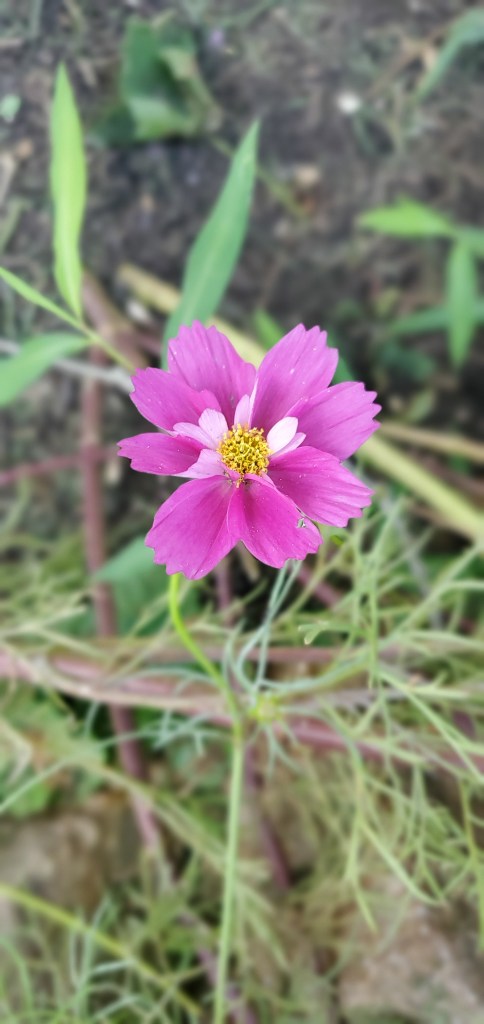
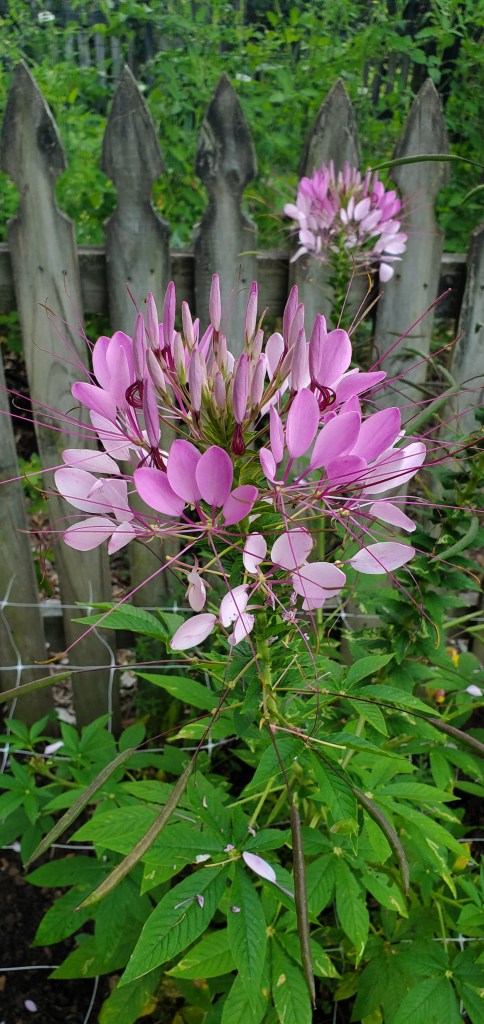
But, I’ll take the simple pleasures whenever they come and however I can get them. That’s where flowers come into my life. This summer I started experimenting with growing some cut flowers.  Mainly snapdragons, zinnias, dahlias, celosia, yarrow, marigolds, and cosmos.  I’ve had some fails and some wins. As much as I was hoping for big amazing blooms, I’m actually okay with the smaller production that has transpired. I’ve learned a lot about spacing, watering, and fertilizing. And of course, the adage of ‘less is more’ has been very applicable. 

I started with probably 15 different types of flowers (sweet peas, bells of Ireland, china aster, scabiosa, Mexican sunflowers) and I already know that next year I’m scaling back: snapdragons, zinnias, sunflowers, and celosia. That’s it.  Maybe some bupleurum 😊

I tend to take on too much at once, create a super complex schedule, and then about 6-8 weeks in I’m tired and falling behind. I always want things to turn out perfectly on the first try.  And that’s just not realistic. I’m saying all this because if you are in the same boat, I’m hoping you can cut yourself some slack. Life doesn’t usually go smoothly. The frustration and mishaps are part of the process and how we learn (saying this as much for myself as anybody else who needs to hear it). In general, as I try to take on more of a homesteading lifestyle while working full-time and raising two little kids, I just feel like I’m coming up short more of the time than not. And that takes the fun out of it. I want to enjoy the successes and learn from the misses. And smell the flowers along the way.

Another one bites the dust

Harvest time should be in full swing for most of us. I’ve got tons of tomatoes, piles of peppers, bunches of beans, okra, onions and cucumbers. Everything feels a bit delayed this year and I’m not sure if I did everything a couple weeks later or if the weather has just been unusual.

I’ll be honest in saying that August tends to be a bit rough for me.  The weather is sweltering. Mosquitoes are everywhere. My motivation is lacking. And my energy just isn’t where it was back in May.

One thing that hasn’t changed is my battle with the squash vine borer.  For the third year in a row, I have gotten precisely 1 zucchini before I walk out to the garden and see a sad, wilted plant, falling over and whispering “help me!” But it’s always too late. The damage has been done. It’s so frustrating!

This year I thought I was doing so well, dusting with DE around the base of the stem every 4-5 days or so and watching for signs of pests.  Then Ka-POW! Could I have done more to prevent this?

I’m wondering from other more experienced gardeners when you decide a certain crop just isn’t in the cards for you or your climate? The irony is that I don’t even love zucchini. But at this point it’s become a battle of wills and I refuse to lose.

Bird Beauty

We all have our own reasons for gardening. Self-sufficiency. Passing on skills from elders. Connection to nature. Regardless of motivation, I would say it’s always important to zoom out. See the bigger picture unfolding in front of you. A facet of gardening I never expected to appreciate as much as I do is bird life. I am certain that all my plants and flowers attract more bird life than if I didn’t garden.

I see them every morning and in the afternoon flying in and out of my garden, stopping at the feeder, and chasing each other from tree to tree. The most frequent are goldfinches, nuthatches, titmice, juncos, sparrows, cardinals, orioles, bluebirds, red-billed woodpeckers, and of course robins.

But a bird whose magnificence is truly breathtaking and I don’t think I ever saw in real life before last summer is the hummingbird. It will take your breath away every time. 

We bought a hummingbird feeder like this for our front porch.  I wasn’t sure if it was too close to our activity for the birds to feel comfortable frequenting it. But within a few days, Sha-ZAM! The sound of hummingbird wings fluttering is unmistakable. Like a mini-helicopter going by you.

If you’d like to see more hummingbirds in your yard, here are few ways to attract them.

  1. Get a feeder.
  2. Plant trumpet shaped flowers.
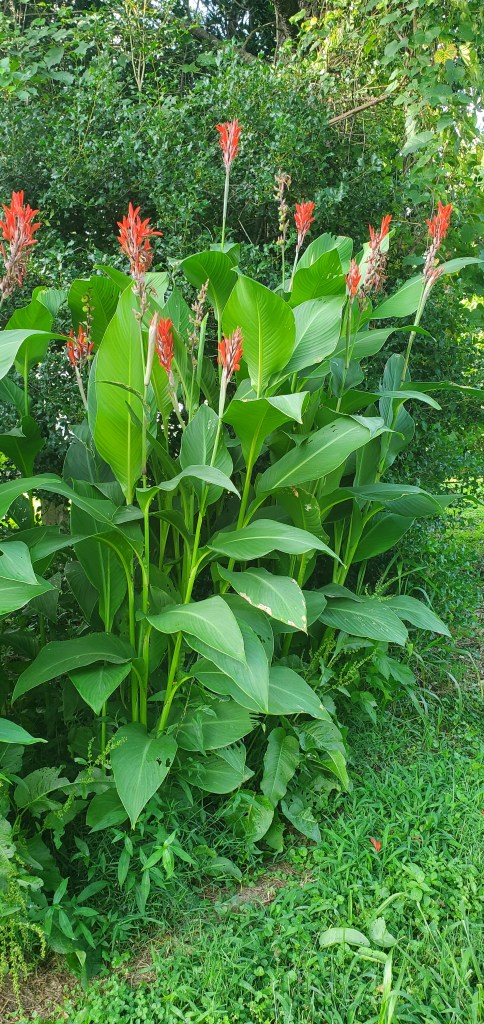
  3. Plant bright red flowers – cannas and gladiolas.

I say all this to say, whenever we can pause and look around, I’m almost certain you’ll notice something you hadn’t before and it will impress you.

Garlic Harvest!

Don’t know about you, but it’s getting pretty steamy in the Mid-Atlantic. As we head into peak harvest season, that’s when I find it most challenging to get out in the garden if I don’t go first thing in the morning. Every day is pretty hot and humid (think about walking through soup and you’ll get the idea) and we get a lot of afternoon thunderstorms that are quite strong.  We lost power the other day for about four hours after a storm but thankfully it came back on right around 9:30pm for bedtime.

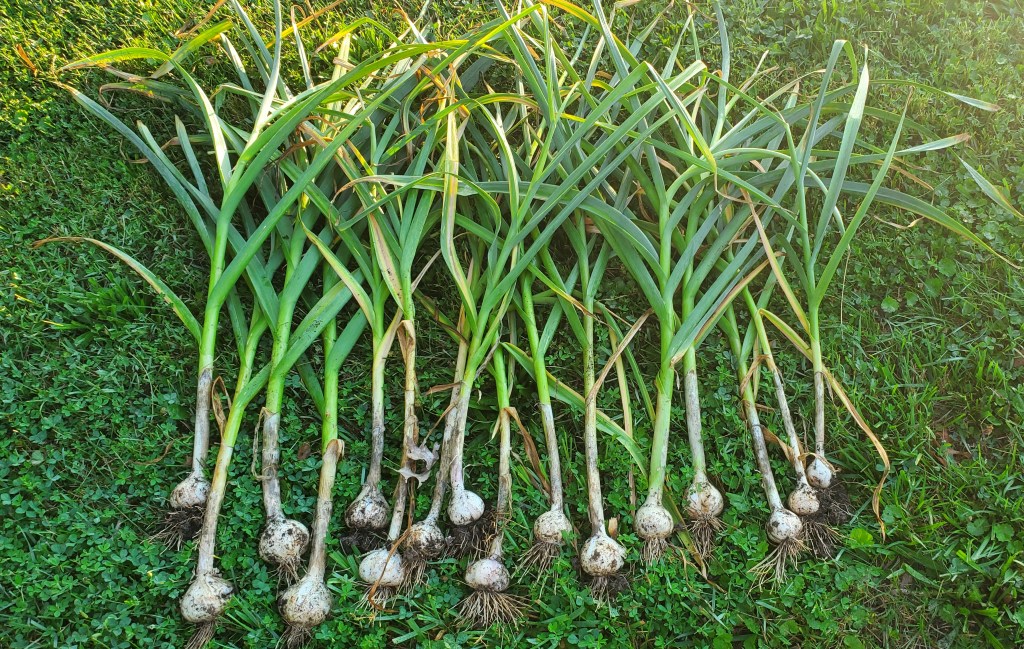
Mid- to late June is typically the time when garlic is ready to be harvested. I planted a half pound of Music Garlic in early November last year so that it would get a good 7-8 months of growing time. Last November was so mild the cloves sprouted before December so I covered them with a really thick layer of leaves and then lightly covered the bed with a layer of cardboard for the winter. I removed the cardboard in early April.

April was still pretty cold and wet so in May I started checking on the garlic every week or so. I trimmed the curly scapes that shoot up through the center so that the growth and energy would be focused toward the bulb. Then throughout June I kept checking to see when the lower layer of leaves would turn brown. That’s the sign garlic is ready to be harvested.

Garlic Harvesting Tips

  1. When the lower layer of leaves has turned brown, pick a day or time when the soil will be relatively dry.  Not right after a big rainstorm or watering.
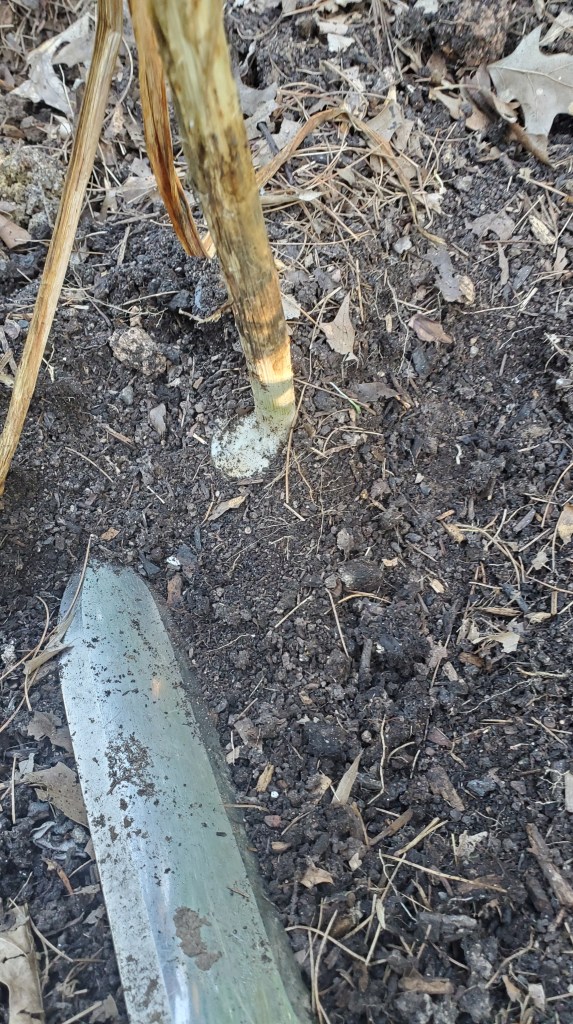
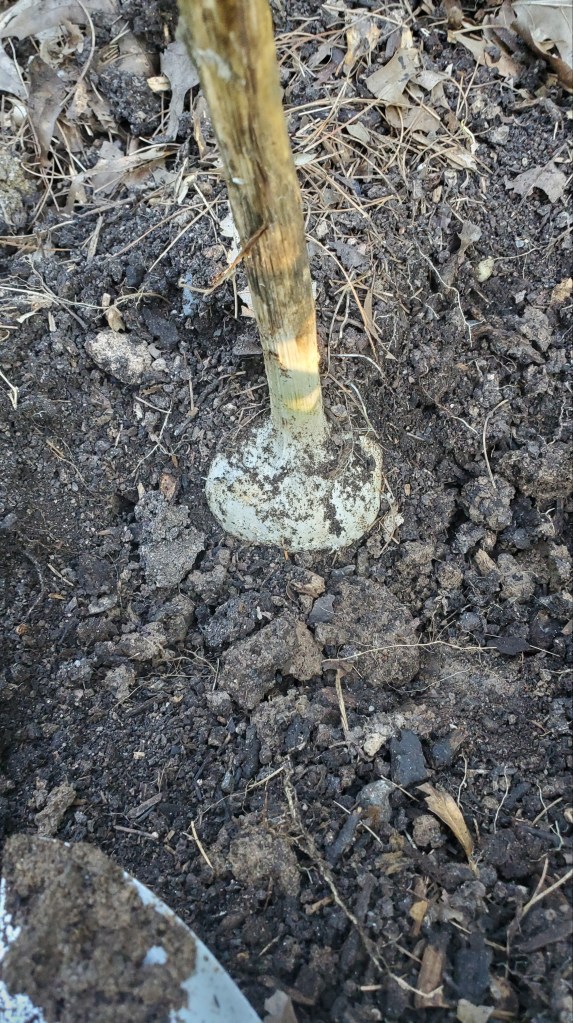
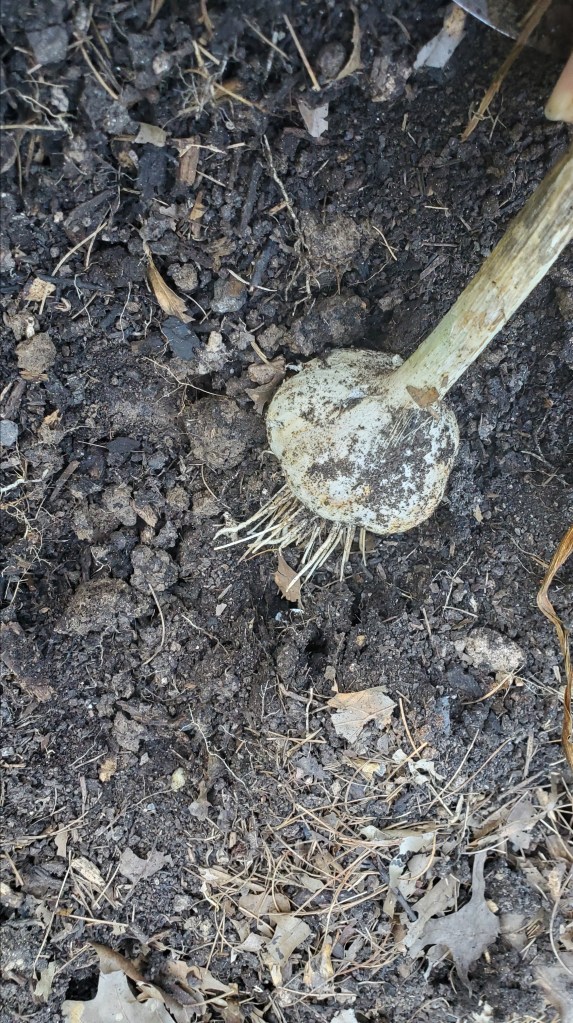
  2. Harvest carefully using a hand shovel to dig around and loosen the roots. You DO NOT want to just grab the stalk and try to pull it out. Be careful to not pierce the bulb as that will mean you’ll need to use that bulb sooner than later and it isn’t suitable for storing.
  3. Once you’ve dug up all your bulbs, no need to hose them down.  You can just shake or brush off the extra soil.
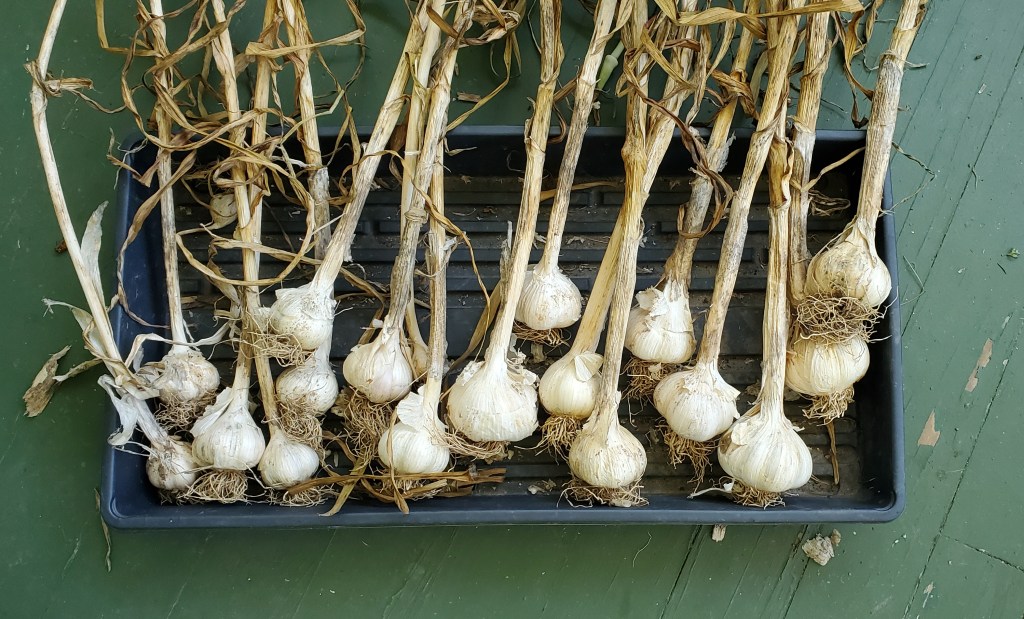
  4. Leave your garlic in dry, shady, cool place for 3-4 weeks so it can cure. I see lots of examples of people leaving them on a picnic table or extra piece of fencing that will allow for air flow. I left mine on our front porch because it’s shaded and gets the northern exposure so it’s a bit cooler throughout the day.
  5. After 3-4 weeks, you can trim the roots around the bottom and leave about a half inch on the neck. 
  6. Garlic should be stored in a cool location, out of direct sunlight, that gets good air flow.
  7. Eventually, you’ll want to store enough to plant your next crop and still have enough leftover for your cooking needs for the year (which is different for every household).

Happy Garlicking!!!

Let the Beets Drop!

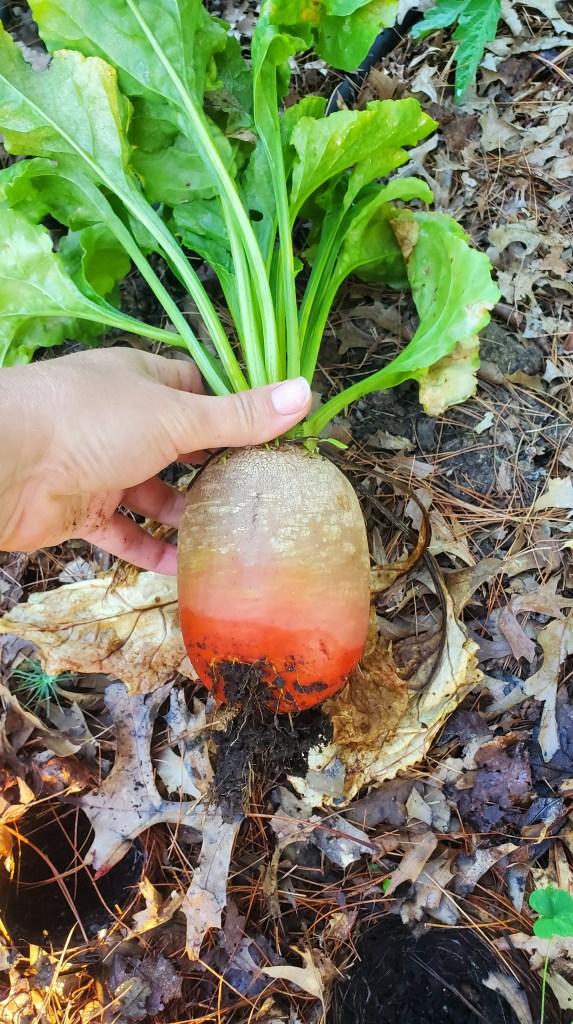
Finally, it happened to me right in front of my face and I just cannot hide it. I love that jam! If you recall, my beet crop failed miserably last Spring.  I know most people are not huge fans of beets (you gotta get some rhythm, people! Oh the puns never stop), but for me this was a huge disappointment. There is not a salad I enjoy more than peppery arugula, sweet golden beets, a sprinkle of toasted pecans, some chunks of creamy goat cheese, drizzled with the easiest homemade balsamic vinaigrette (see recipe below). That’s just the perfect summer dinner with some warm, crusty French bread.

This spring, I was determined to succeed so I took a different approach and started my beets inside in early February. I did two 6-cells of golden beets and one 6-cell of ruby beets. And when I start seedlings, I always drop 2-3 seeds in a cell in a triangle formation so that I can get multiple plants.

I transplanted these in early April and should have harvested them by end of May (55-65 days usually) but I don’t know what happened. The weather kept flip flopping. We’d have 3-4 hot humid days and then a few cold days. I think I just wasn’t paying enough attention and more focused on getting my peppers and tomatoes planted. Then June came and life got busier with school getting out, planning for a vacation. La dee dah. You know the drill.

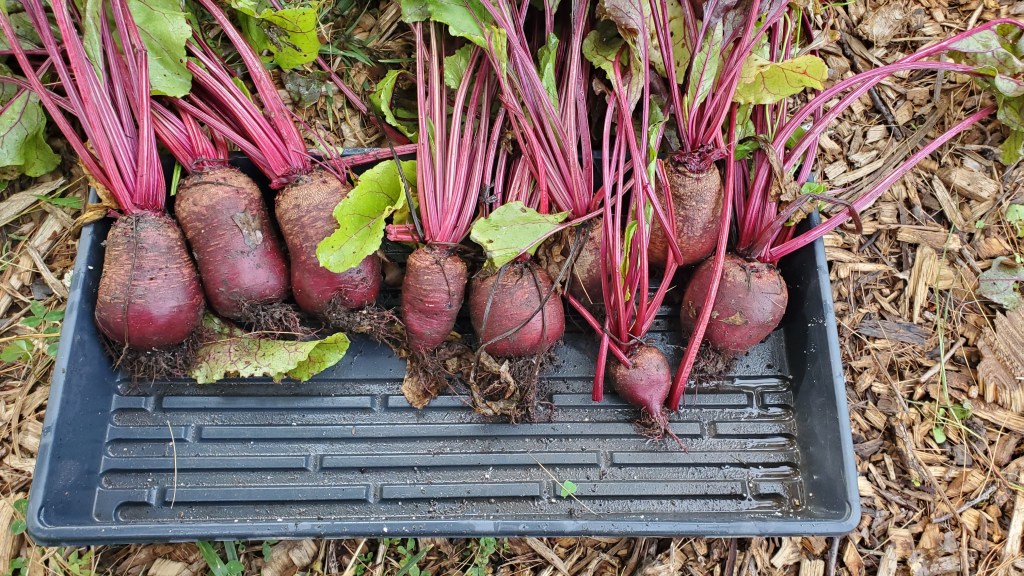
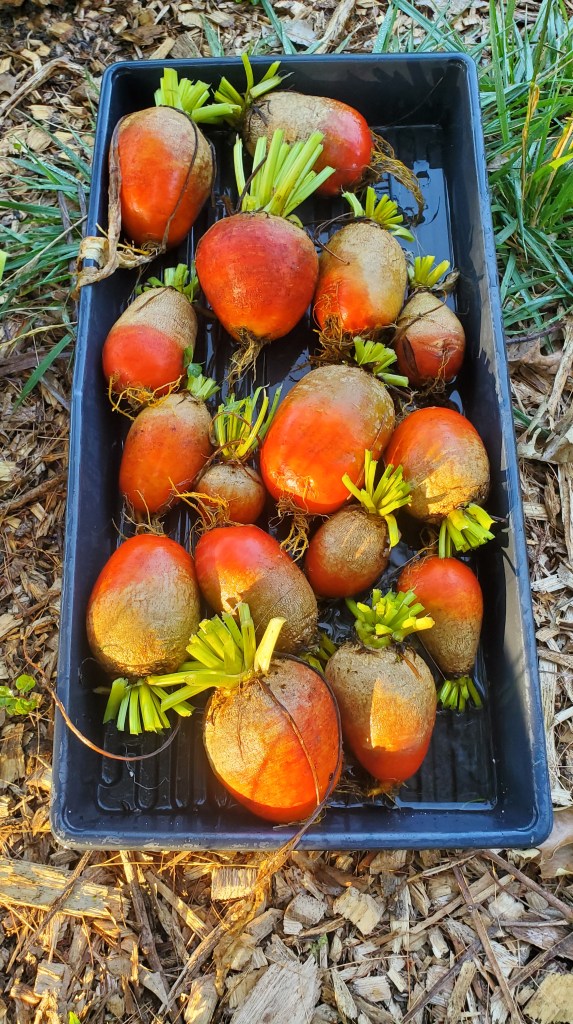
I ended up harvesting them on two consecutive days – all the golden beets one morning and all the ruby beets the next morning. I ended up with 17 of each. Never could have planned that synchronicity if I tried. I think they were all quite voluptuous and curvy.

If you’re planning on preserving, I’m sure you know you want to get them canned as quickly as possible to maintain flavor and freshness. That’s why I tend to do these things on the weekend. I’ll go out early in the morning when it’s still cool, scoop up whatever I’m harvesting, and get everything going on the stove while the house is still peaceful and quiet (as if, those words only describe my household if we aren’t home).

I followed this pickled beets recipe from the National Center for Home Food Preservation (what a mouthful!) and did a batch each morning of 8 pints. This one is super basic, so if you have a recipe you like – please share.

I don’t know why but canning always ends up being a 3-hour endeavor for me. I’m always looking for shortcuts and tips to save time while still doing it safely.

Here’s what I did:

  1. Boil the water to cook the beets. Once boiling, add the beets and cook for 25-30 minutes.
  2. While the beets are cooking, start heating the water for the water bath (this takes soooooo long). Simultaneously, I am heating the brine and washing my jars, lids and rings.
  3. Once the beets are finished cooking, let them cool for about 10 minutes then remove the skins and slice them up.
  4. Place the cut up beets in the brine for 3-5 minutes.
  5. Last, hot pack the jars, wipe the rims, put lids on top, and screw on the rings to fingertip tight.  Fingertip tight means you don’t grip it with the palm of your hand and make it crazy tight.
  6. Finally, if I timed it right, the water bath is boiling and then I can just slide the jars right in.

Typically, my timing isn’t great because I don’t multi-task well. Instead, there ends up being a decent amount of waiting between steps, which is how this takes 3 hours of my day.

I ended up with 16 pints of gorgeous golden and ruby beets. I’m super happy with this and look forward to enjoying these this fall and winter.

Easiest Homemade Balsamic Vinaigrette

  1. Pour equal parts extra virgin olive oil and balsamic vinegar in your dressing bottle. I usually eyeball about 3 tablespoons each.
  2. Add a teaspooon each of dijon mustard and maple syrup.
  3. Give a sprinkle of salt and pepper.
  4. Shake and enjoy!

Tomato Tips: The 5 Musts

I’m not sure there is a fruit or vegetable that better illustrates the benefits of having a home garden than tomatoes. As a kid, I DID NOT like tomatoes. I thought they had no flavor and were filled with this weird juicy somewhat gooey center. Only when I had a simple cherry tomato plant in a planter on my deck some years ago did I taste the ripe, flavorful goodness that tomatoes offer.

Tomatoes, peppers and beans are my main summer crops that I grow in bulk for preserving. So it’s important that I get as big of a harvest as possible for sauces, salsas, soups and stews.

If you want to ensure a strong tomato harvest, here are the ways to set yourself up for success

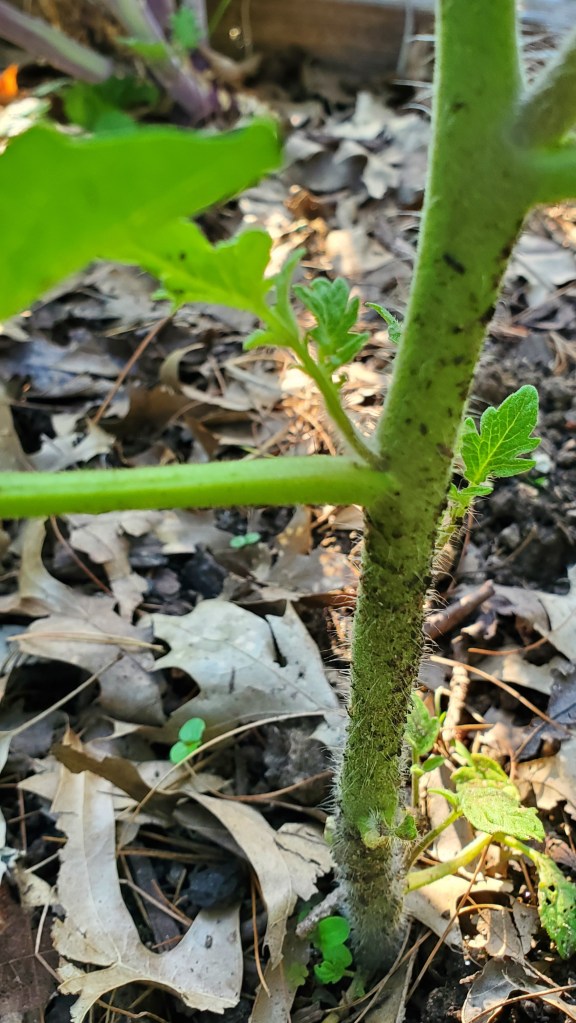
  • Trim all low hanging foliage. You don’t want any leaves touching the ground where they are more susceptible to soil borne diseases, like blight.
  • Get rid of the suckers. Suckers are the branches that grow in between the main stem and the branch.  They are exactly what the name suggests – they suck extra energy and nutrients out of your plant and fruits.
  • Support them. I’m a big fan of clipping them to my trellis. I’ve done the cages – nope. I’ve done the A-frame and string – not for me. The clips just make so much sense and are so precise and tidy.
  • Water from the ground. If you don’t want to invest in soaker hoses, typically $15-20 each, make sure you are watering at the base of your tomato plants and not showering on them from above.  This creates more risk of spreading disease and pathogens.
  • Cover your soil. Tomatoes need a lot of water and you’ll keep them better hydrated if your soil is covered.  Anything like shredded leaves, pine needles, grass clippings, or straw (NOT HAY).