My kids have been watching Mary Poppins lately. Do everyone’s kids pick a movie and just watch it so many times you can’t stand it? I did that as a kid so I sort of understand. But gee whiz.
In any case, who doesn’t love the song Feed the Birds? And now is precisely the time of year we need to be feeding the birds and helping them out.
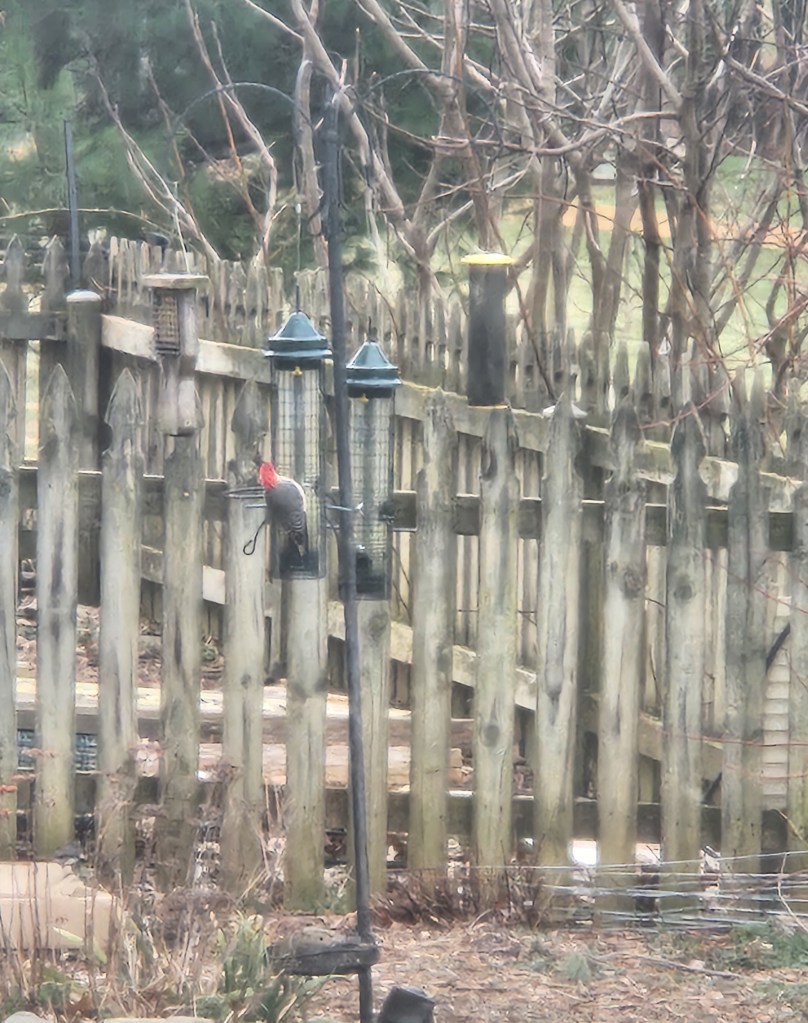
Over the last few years I’ve purchased two of these squirrel buster bird feeders and have to say I am quite impressed with them. I was gifted one by my boss as well that is even snazzier. And at some point last year I bought this window bird feeder that I simply find incredible. It’s like I’m in my very own national geographic special every single day. I can honestly say I never knew that birds hold seeds with their little feet to eat them. Did you?
Anyway, I think you get the point. I have developed a love and appreciation for birds that I never expected to. I love hearing their songs and seeing their beautiful feather patterns.
And if you are a gardener or homesteader, attracting birds to your property is a huge benefit. They eat bugs, weed seeds, certain pests, and they can help pollinate. The type of bird seed you buy doesn’t really matter that much. Just ask at your local nature store what they recommend. The only warning I have is to please put the feeders high enough up so that you aren’t luring birds to their death by a cat lurking below.
It’s seed season. January can be a bit blah from a weather standpoint. Gray days, whipping winds, dark mornings. But thinking about and planning your seedlings can bring a little sunshine.
This year I’ve had the most catalogs show up in my mailbox. Ordinarily, I can’t pass up the temptation to order at least a few packs from each supplier. The glossy pages and photos are just too beautiful to pass up. But I’m pretty proud of how sensible I have stayed on the veggie front (flowers are another story so don’t ask).
While this is mostly an exciting process, it can be a bit overwhelming to start thinking about what you need to start in February and March to get the harvest you want later in the year.
To avoid the overwhelm, here are a few tips.
Take inventory of the seeds you already have. If you aren’t keeping them organized in a photo album, binder with plastic sheet protectors, or one of these storage boxes, you aren’t doing yourself any favors. There are many different ways to organize your seeds so do whatever makes sense to you – alphabetical, cool vs warm, etc. The key here is to just do it.
Discard the seeds in your compost that were a flop last year. Flop is loosely defined in my book – didn’t germinate well, took too much effort to grow, didn’t like the taste, or any combination.
Think about what produce you buy most often at the grocery store each week and over the course of a month. Could you grow any of this yourself and make a dent in your spending? My suggestion would be salad ingredients, like cherry tomatoes, cucumbers, carrots and lettuces. You can’t go wrong with green beans, fresh herbs and leafy greens either.
Try something new to challenge yourself. Go with something that should work well in your growing zone – a spicy pepper, a wonky eggplant, a crazy crucifer. It’s all learning and you may find a new favorite.
Most importantly, don’t go crazy. If it helps to rein yourself in, I’d go with 5-7 cool crops and 5-7 warm crops. You want to enjoy going out to the garden every day, not dread it.
Lastly, don’t forget the flowers. You won’t regret a boarder of sunflowers, zinnias at your entrance, or some celosia as book ends on one of your beds. And the impact on your harvest will be noticeable.
Who doesn’t love a fresh start? There has always been something so motivating and energizing about the start of a new year for me. Maybe it goes back to my childhood as a kid in a military family. Each move to a new assignment was a chance to start over, do things different, be a slightly upgraded version of myself. I think we all like to shed an old skin and slip into something that fits a little better.
For me, 2023 will be a big year in a number of landmark ways. Honestly, I feel like every year is a big year. I’m turning 40. I’ll have been married to Cactus for 10 years. And we’ll have lived on this little farmette homestead for 5 years. Pretty wild. I make Shutterfly calendars every year so I get those weekly emails saying Memories from this week (#) years ago… They blow my mind because some things that happened two years ago feel like forever and some thing from five years back is still crystal clear. As a parent, I love to see how my girls are growing and changing from year to year. And it’s an opportunity for me to see my own progress. If you look for it, there is always a reason to pause and soak up the good stuff.
I’m not big on resolutions anymore. They feel like a lot of hype and expectation. Intentions feel much more realistic and within my control. Instead of “I want this to happen or I hope X comes true” it’s more like “I will make this effort/bring this energy/put my focus on X to achieve this result.” Here are my intentions for 2023:
Choose to have an open heart. I’ve felt hurt and broken by many things, people, and events in my life causing me to become less caring and connected to people. I don’t think most people are trying to hurt one another. I think we are all just struggling as best we can. I don’t want that to stop me from helping someone in even the tiniest of ways.
Enjoy what’s in front of me. Over the years, I’ve become a big pre-stresser. Some people pre-game, I pre-stress. Perhaps that’s anxiety but it’s more like I run through events before they happen to anticipate how I can make them go smoothly. I really just want to trust that if I’m present, I’ll do what’s best and handle the situation well in the moment. And if not, see #3.
Loosen my grip. Understand that things don’t go perfectly and that is part of the journey. From parenting to gardening, it’s all trial and error. Variables in my control, elements beyond my control. But I can always look for the lesson and appreciate the experience.
Wow, nothing like going out with a bang. This is the most brutally cold weather I think I have ever experienced in December. January and February tend to be the coldest months in Maryland based on my recollection. It’s gonna be a rough winter if this is any indication of what’s to come.
With how quickly the temperature dropped and how cold it was going to be, I wanted to make sure my chickens had plenty of food, water and bedding. Their feathers are as thick as I’ve ever seen. I loaded up all the feeders and waterers and put extra wood shavings in the nesting boxes.
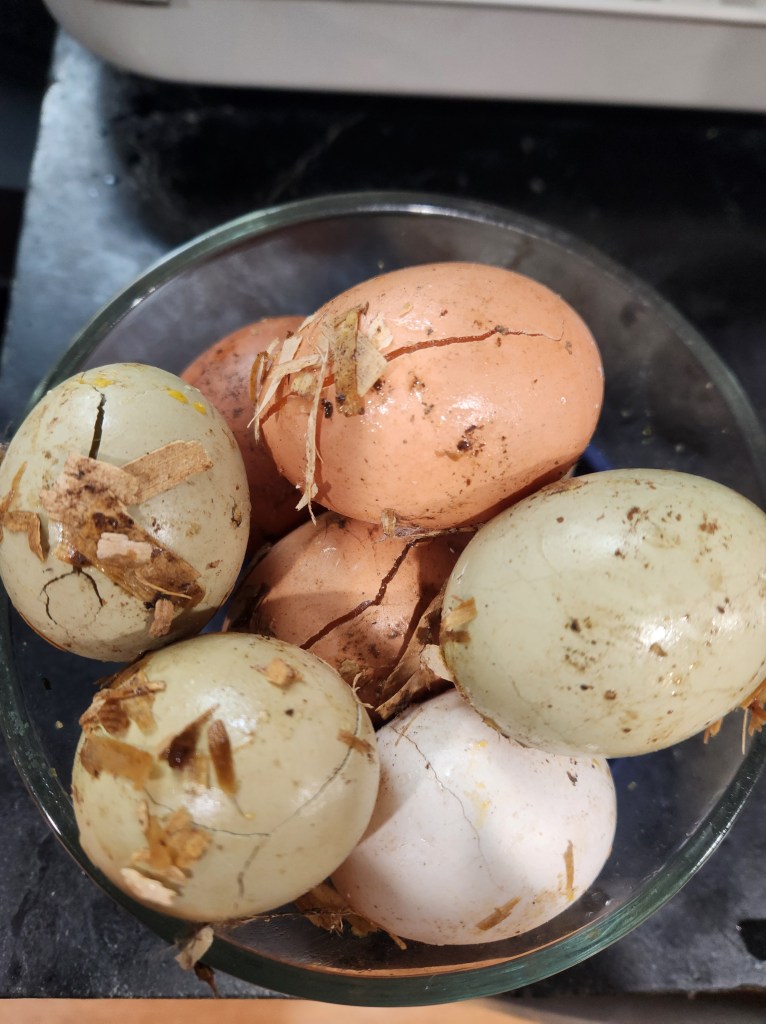
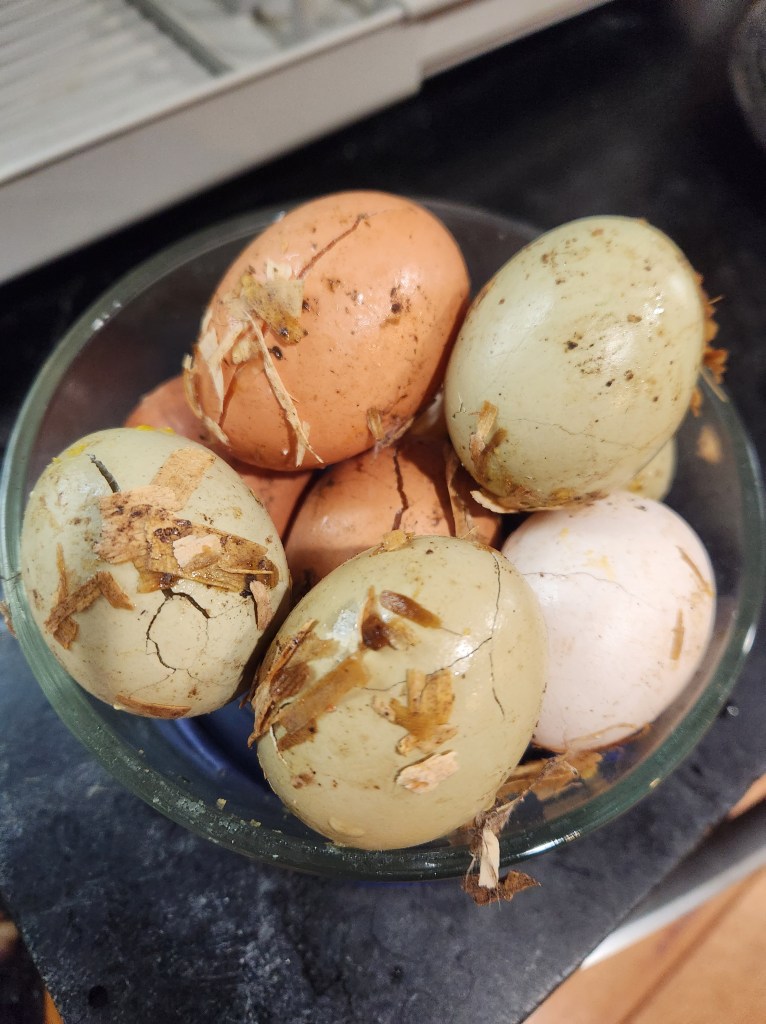
Everything went pretty well chicken-wise during the bomb cyclone. Aside from me not knowing how to time my egg collections each day, there were no casualties. It turned out to be a good thing that I had added extra bedding. I lost about 8 eggs to freezing and cracking and the bedding absorbed the liquid.
For the ones that were frozen solid, I tried to save them in the fridge so they could thaw but the consistency of the white and yolk was pretty strange. But, if these were the only losses, I’m not complaining.
I hope everyone had a wonderful Christmas, Hanukkah, Kwanzaa or whatever else you celebrate. I don’t really think the distinctions matter. The point is the same – to slow down, cherish your family, and appreciate what is good in your.
A few days ago it was 60 and sunny. I was wearing just a t-shirt outside doing yardwork. An that’s not really a thing here in the mid-Atlantic in winter.
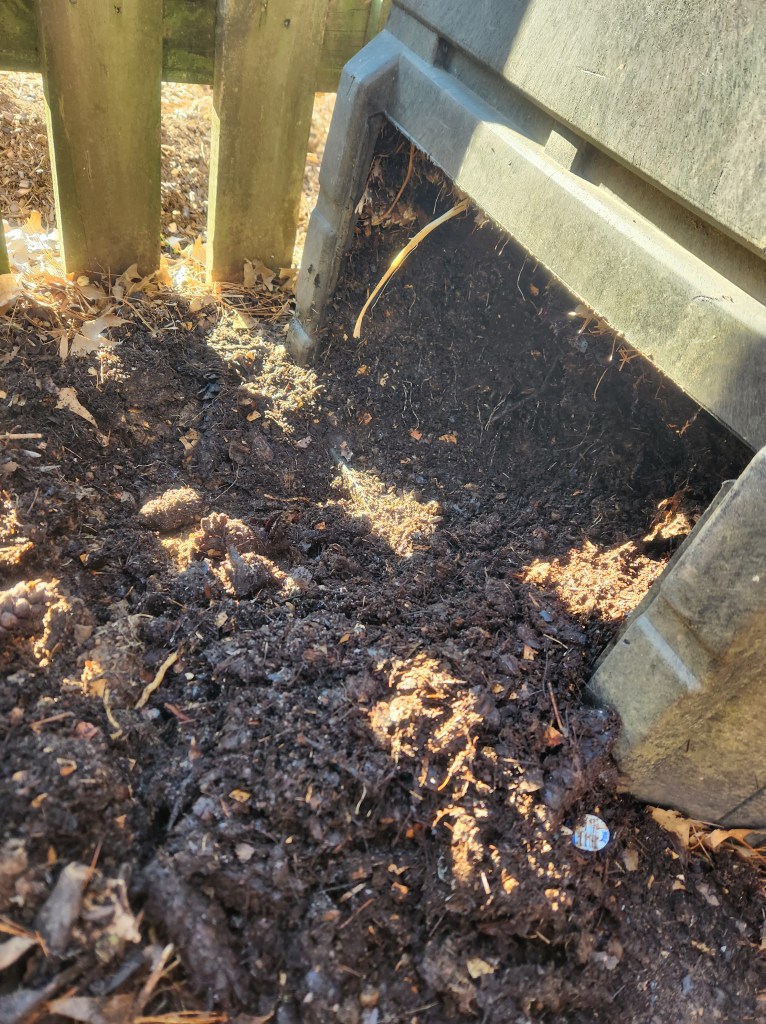
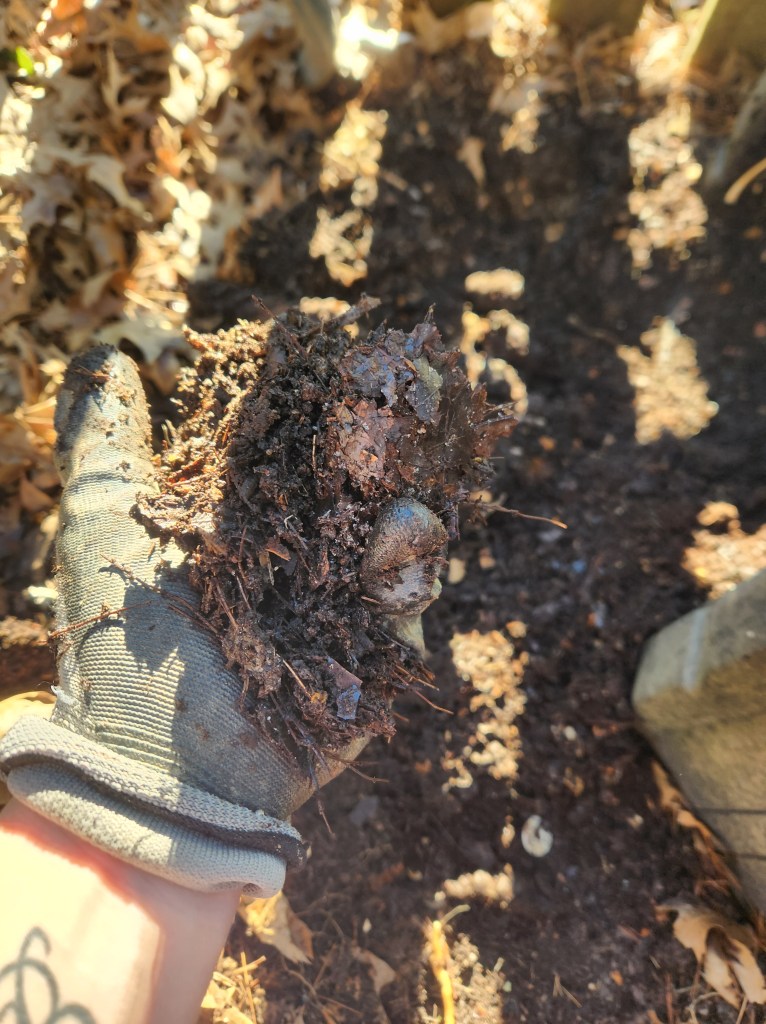
If you’ve been experiencing unseasonably warm weather like us, that’s a great time to turn or dig out your compost pile.
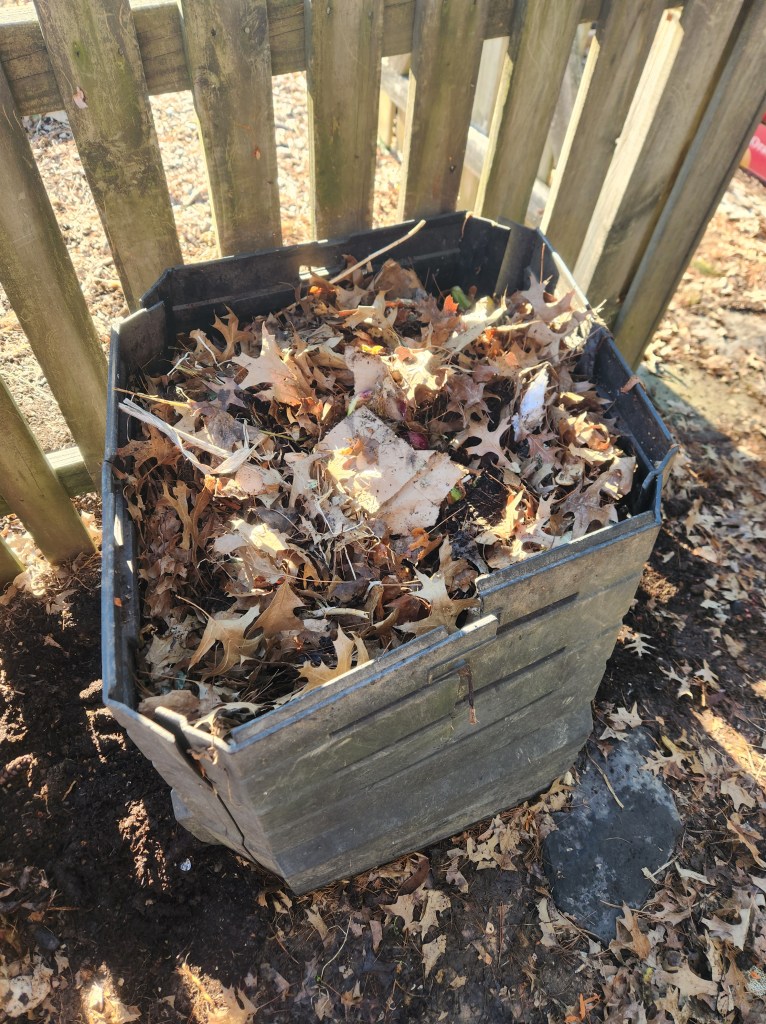
There are so many different styles of compost bins across quite a few price points. I tend to prefer simple and have had really great results with a just a pile enclosed by mesh like this. Our local department of environmental services gives these away for free if you request one. And this composter was on our property when we moved here 4.5 years ago and it’s been pretty great. I don’t know how long it was used before us but I will say it’s showing signs of wear and UV damage.
There’s no wrong choice when it comes to compost bins, but you should consider what is best for your living space. Will it be on a deck or balcony very close to your home? Or do you have a yard with more space? These factors determine what size makes sense as well as how secure you’ll want it to be. I’ve never had a smell issue with mine, but that and attracting rodents is most peoples number one concern.
If you are new to composting, it’s really not hard and will be LIFE CHANGING. When I started composting in my 20s, it cut my trash in half. I used to live in a townhome with no yard and couldn’t plant anything so I never benefited from the compost in terms of being able to use it. But I like to think the Earth benefitted by not sending all those food scraps into a landfill.
The main rule to follow with composting is no animal products – nothing fatty or greasy. Everything else is either a ‘brown’ or a ‘green.’
Browns are things that are carbon rich. I think of them as being the dry stuff from my yard, like leaves and grass clippings. You can also use cardboard and paper bags.
Greens are things that are nitrogen rich. This is pretty much everything from your kitchen – produce scraps, coffee grounds, and tea bags. I consider this the wet stuff.
Many people believe there needs to be very precise ratios of browns to greens. I’ve never been that particular and I’ve always had great compost results. To keep it simple, think of it as a 70/30 or 60/40 split. You just want to keep adding browns to absorb the wet and stink of greens.
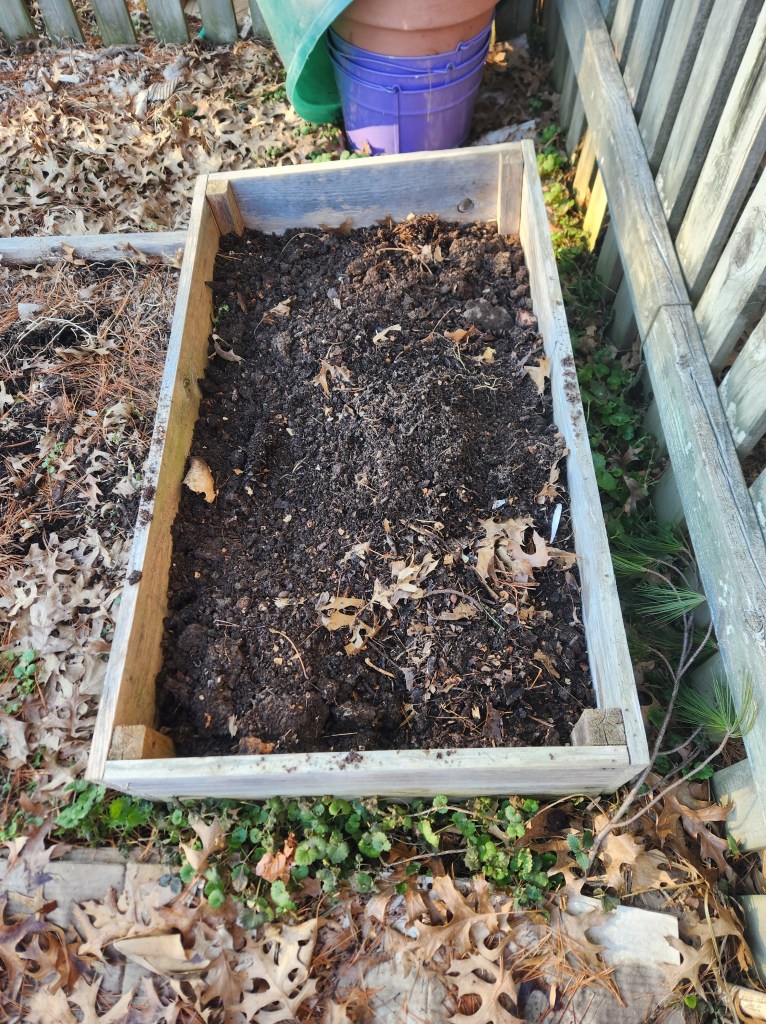
I have a countertop bin that I keep under the sink that’s about ½ a gallon and I fill it up approximately 3-4 times a week. Every time I take it out to the compost pile, I cover the fresh green addition with a layer of leaves I keep in a pile nearby. Then, as the bin gets full, I simply dig out the fresh, beautiful compost from the bottom and voila! My garden beds get replenished with black gold. It’s a triple win: less trash, free compost, healthy garden beds.
So how was 2022 for you? It’s not always easy to take stock of how much we accomplish in the heat of growing and harvesting. There really is something enjoyable, satisfying and inspiring about wrapping up all the hard work of the spring, summer and fall growing seasons and acknowledging how far you’ve come, how much you’ve learned. If you haven’t stopped to give yourself a high five or pat on the back, go ahead and do so now.
I’m a pretty Type-A person. I’m honestly not even sure what that means because I’ve never heard someone referred to as a Type-B person. Feels like we’re talking about blood type or something. In any case, I guess that means I like planning, organization, predictability. Some might call this a control freak. But I can proudly say this was the first year I really let a lot of that go and just enjoyed my time in the garden. It wasn’t about things looking perfect or going perfectly, it was about enjoying all parts of the process. It honestly felt like so much less work even though I did tons more. That’s the accomplishment I’m the most proud of. And because I’m still who I am, here’s my list of garden successes and lessons.
Success!
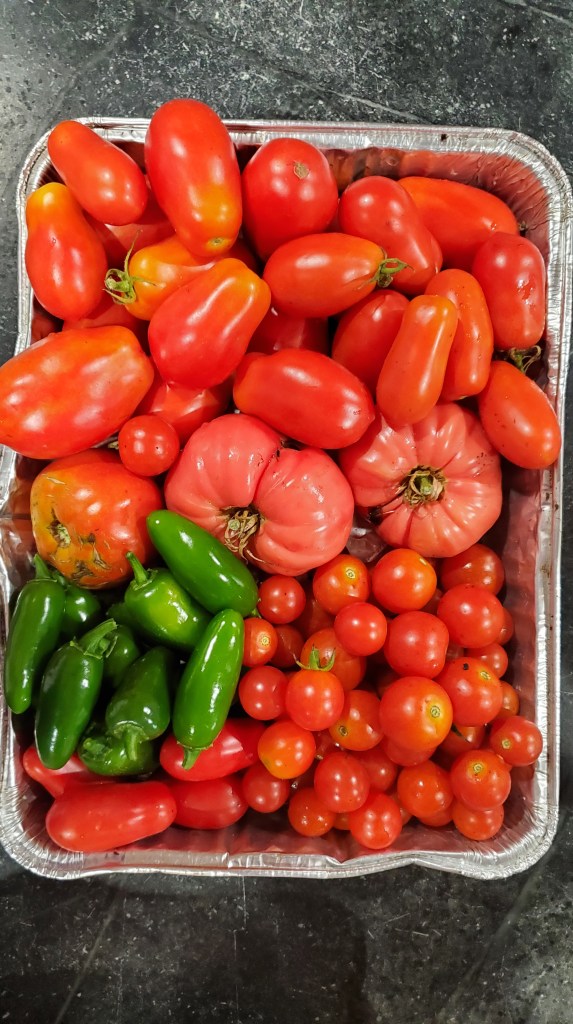
The tomatoes grew really well and stayed very manageable. The T-posts and fence approach is the way to go.
The jalapeno crop was super strong from eight plants. I think I canned 12 half pints of my cowboys.
Cucumbers were insane. Absolutely way too many. I’ll do maybe one plant next year.
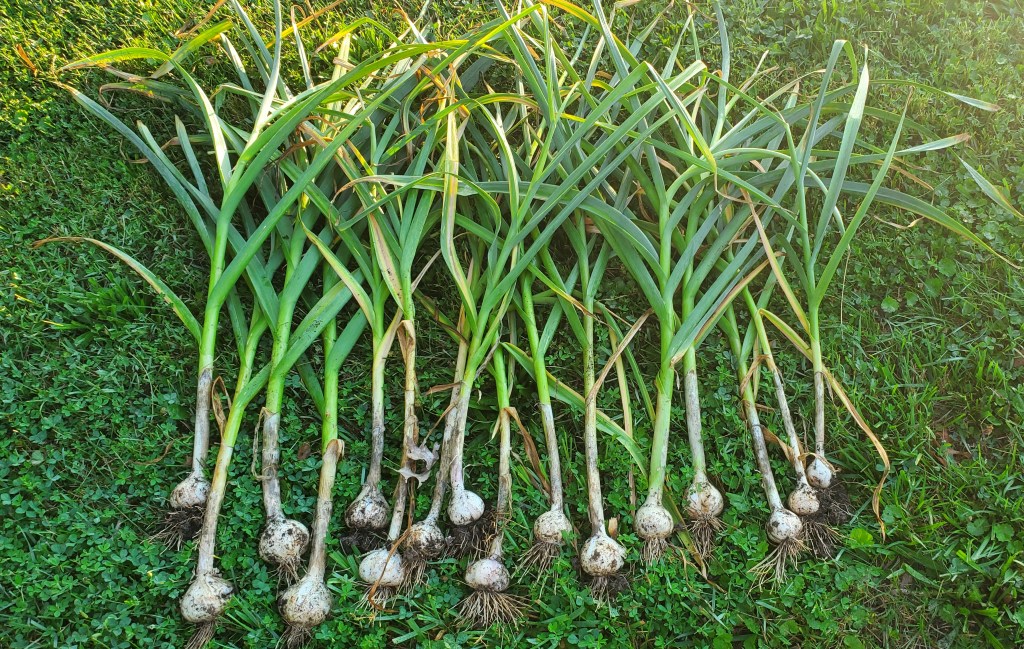
Garlic did great! I just need to plant more of them and more closely – which I attempted to.
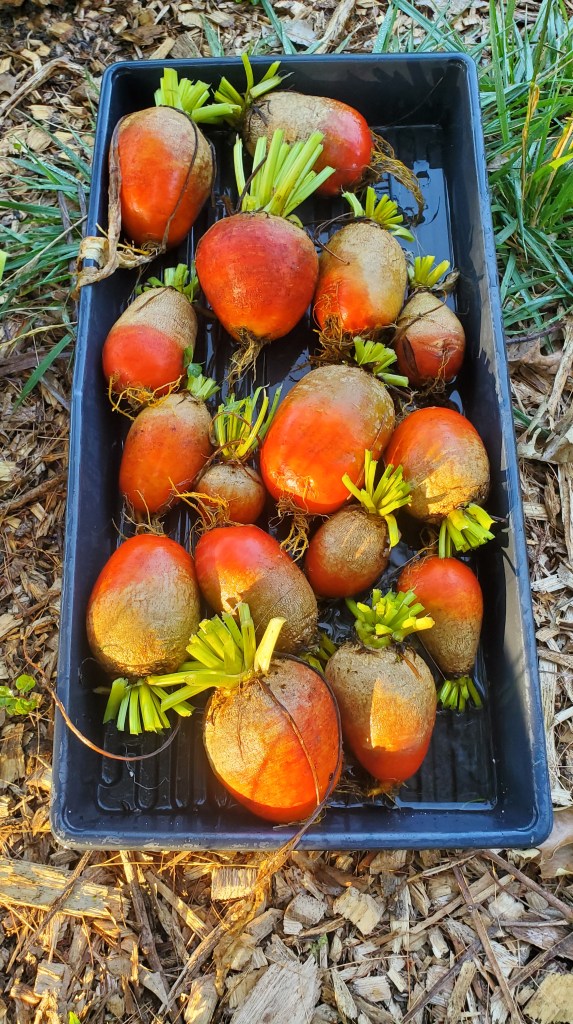
Beets were un-beatable (sorry – had to do it!). Twenty or so plants each of golden and ruby were more than enough to can and eat fresh on salads.
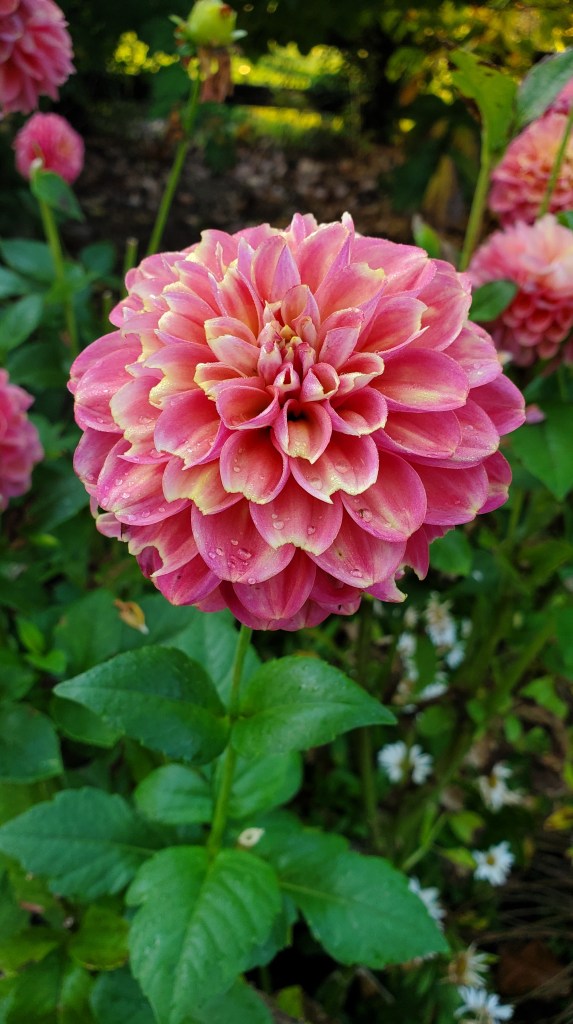
FLOWERS! The celosia, cockscomb, dahlias, gomphrena, and nasturtium were all fantastic. And I’ve planted nearly 500 bulbs for next year. Wahoo!
Just Okay
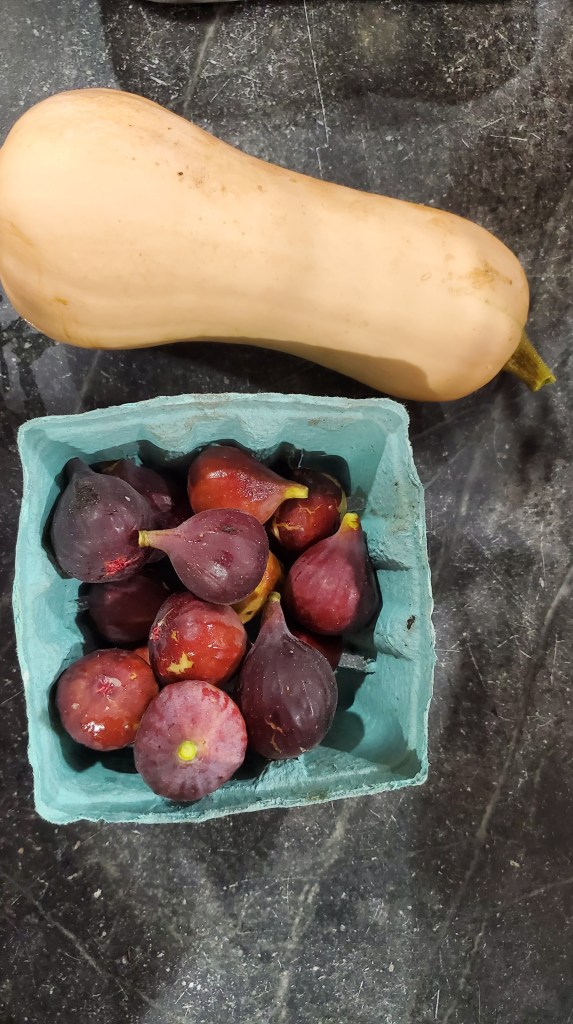
The berry bushes and figs had only moderate production. We cut them way back last fall so I’m thinking they were recovering this year. I guess I’ll know next summer. We had a lot to eat fresh but not anywhere near enough to can.
Carrots were decent. I had enough for the whole summer but they weren’t very “traditional” looking. I will need to thin them more next season because I think they were too close together.
I only got 6-8 butternut squash from two plants before the squash borers destroyed them. I thought I was applying DE with success but that didn’t end up lasting. Still gotta figure out the right defense and management approach.
I had three okra plants and just love how they look. But three aren’t enough to have a good amount to eat at any one time.
The area I designated for the perennial flowers was tough to manage and weed. I either need to be more diligent about it or be more diligent about it.
Cosmos and sunflowers needed to be watered more and supported better (would say the same for the dahlias). These are fail proof flowers and I could have had way more production.
Whomp Whomp 😦
Green beans were sort of similar to okra with not enough plants to ever harvest a decent amount at once and can them. Also, I used a bunch of volunteer plants and didn’t know what variety they were and they were not what I wanted. I’m going 100% pole next year with Seychelle.
The spring weather was weird very wet and cold for a while so I never really got any lettuce.
I only planted two red and two orange pepper plants and one of each was on the struggle train all summer. For that reason, I’m going to plant three each next year.
Too many cherry tomatoes and not enough slicers.
I’m officially throwing in the towel on zucchini for at least a year. The squash vine borers have demoralized me enough to give up temporarily.
I planted my zinnias too close behind the celosia so they didn’t get enough sun early on and by the time I succession planted more it was too late to get a great harvest.
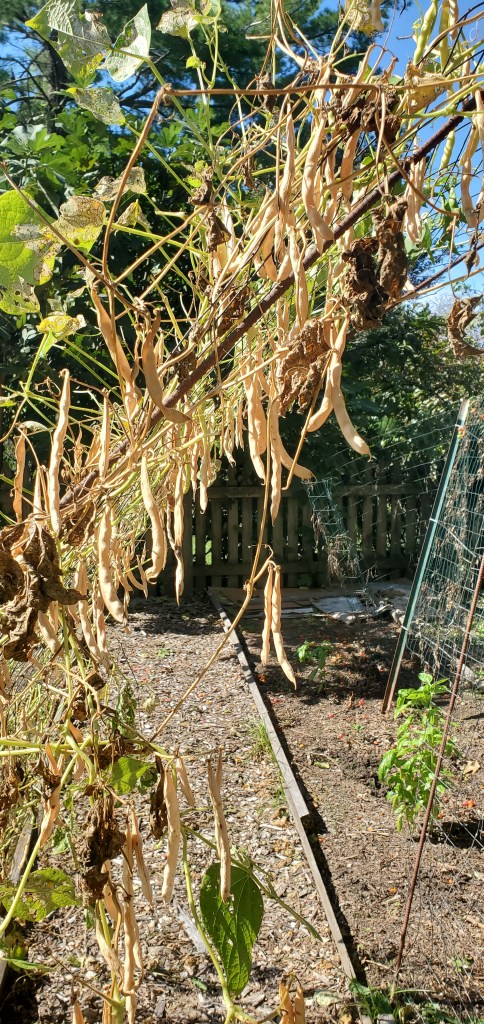
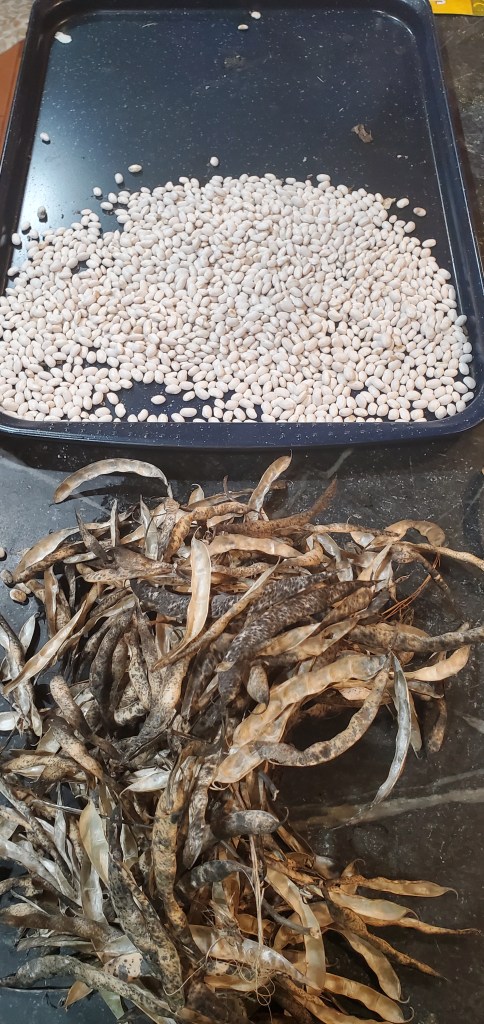
I feel like I’m on a roll with my fall clean up. I better be – frost is on the way. As part of my clean up, I had pulled all my beans off the trellis. I did this a few weeks back after four or five really sunny days when I knew they’d be dry. That’s pretty much the only challenge in saving dry beans – making sure they are completely dry. Any moisture at all could lead to mold and rotting.
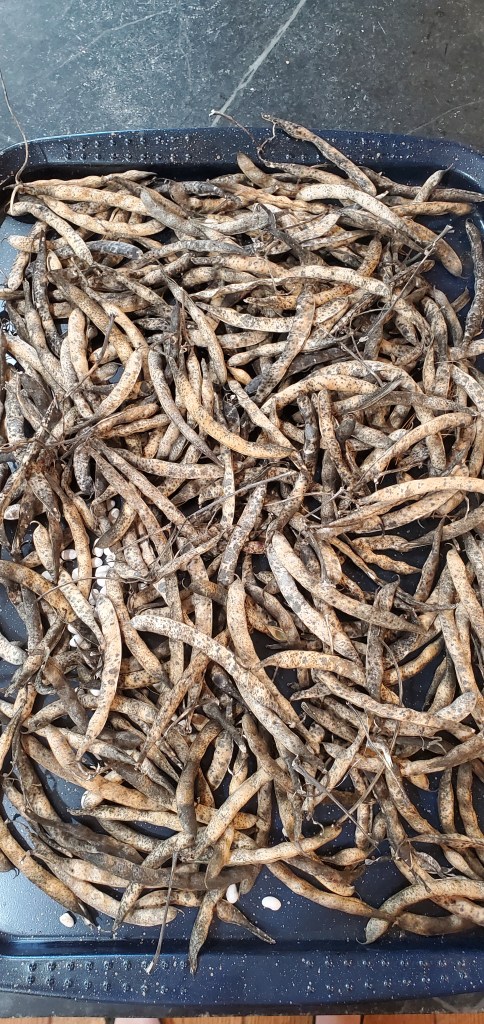
This pile of bean pods is from 8-10 silver cloud cannellini bean plants. I put them in the ground in August as I was taking out some of my lower producing pole beans. I let them pretty much do their thing until the weekend of Halloween. Then my 7.5 year old and I spent about 20 minutes taking them down off the trellis.
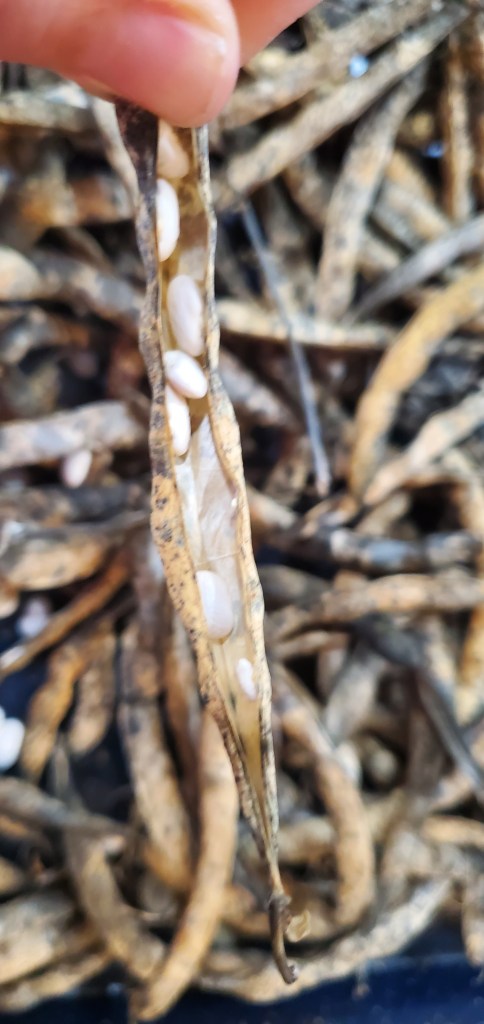
I laid them out to dry for another few days on this cookie sheet as a bit more insurance against any mold issues. Then I spent just a few moments each day popping the beans out of the shells. It was relaxing oddly enough.
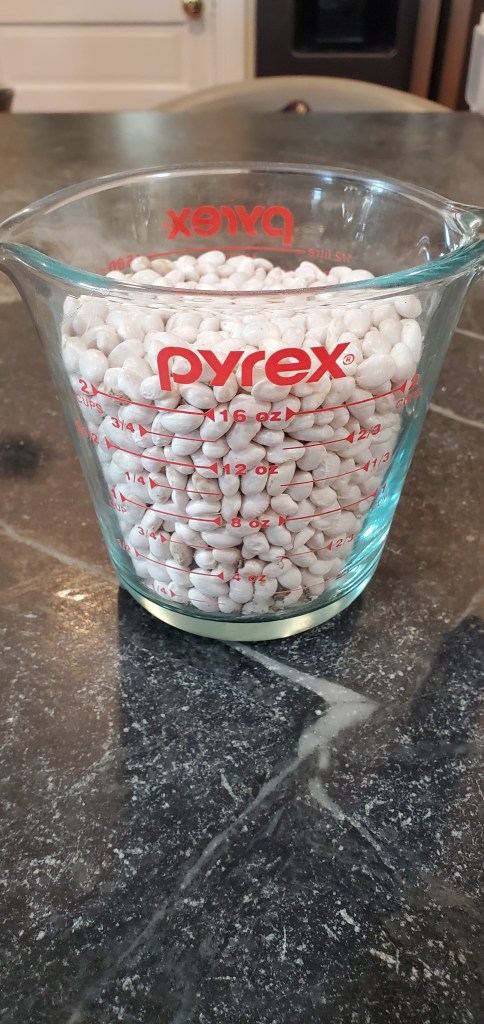
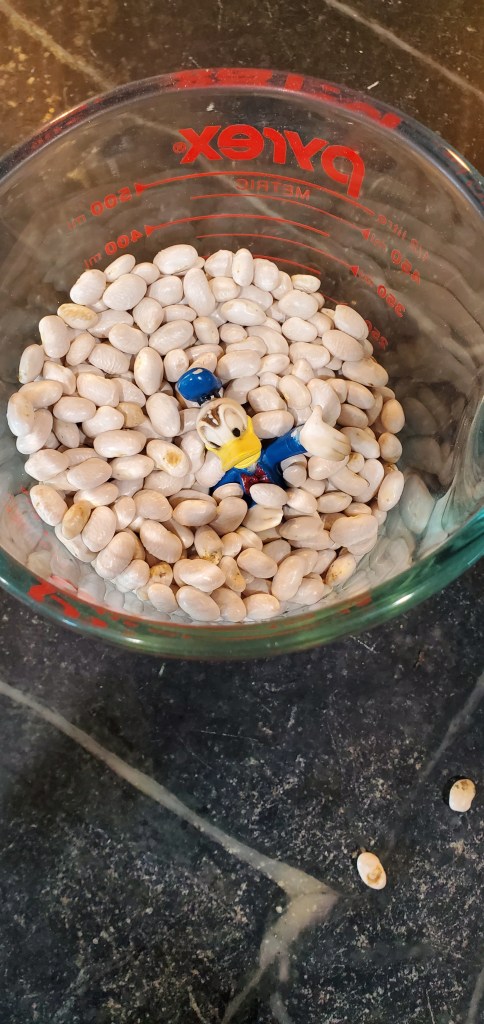
And easy as that, 2 cups of dryer beans (plus a mysterious visitor – my kids make me laugh) for some winter soups. I’ll definitely be planting more of these again next year!
Ya know, if I was going to tell someone to start with planting one crop, it wouldn’t be the typical tomatoes or green beans that you frequently hear people suggest for beginner gardeners.
Do you want to grow something that essentially needs no care except for watering?
Do you not want to worry about staking, pruning, or spacing?
Do you want to grow something that is virtually untouched by pests?
Do you want a crop that you can store and use year round?
If this were a gardening commercial on QVC, my hand would shoot up in the air and I’d blurt out “I want that! That’s the crop for me!!” Then I’d run down the aisle Price is Right style and jump up and down.
Well my friends, then garlic is your girl. Who doesn’t use garlic? I have not met that person (aka vampire) yet.
Garlic is so gloriously simple. You essentially have to make two decisions –
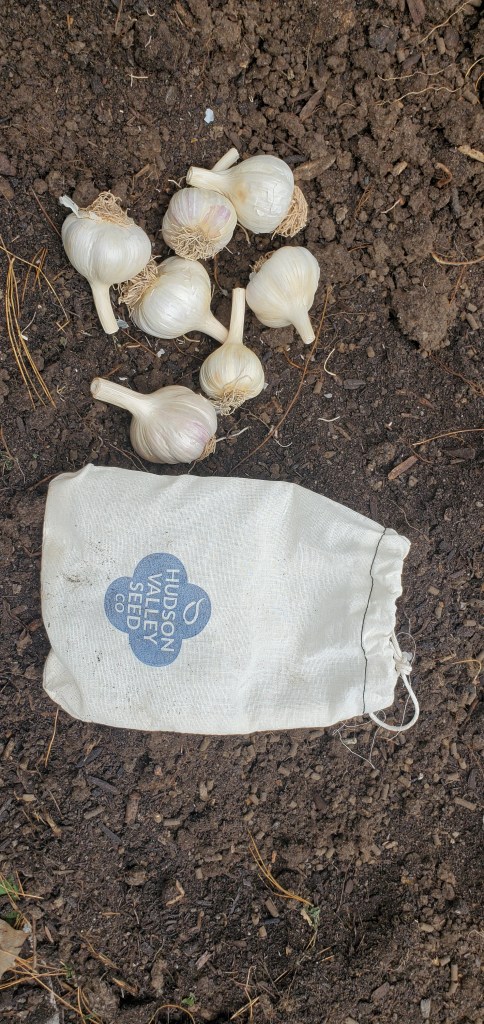
How much garlic do I need? We use probably 3-4 cloves in at least two meals per week. I estimate that to be a single bulb. Hence, I need to plant 52 cloves. When you want to get real savvy and sustainable, make sure you account for planting extra which will serve as your starter cloves for the next season.
And what kind? There are two types to choose from: soft neck and hard neck. See my not at all comprehensive descriptions of the two types below to help you decide.
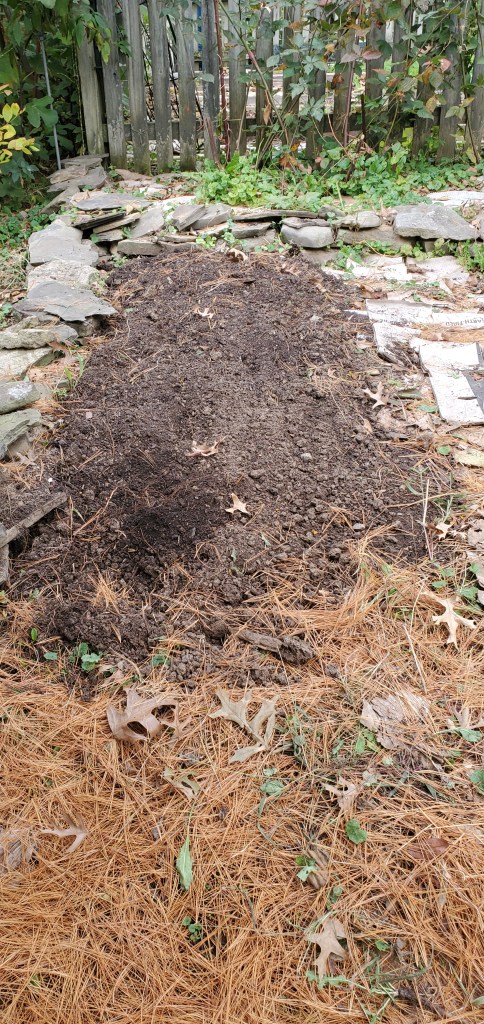
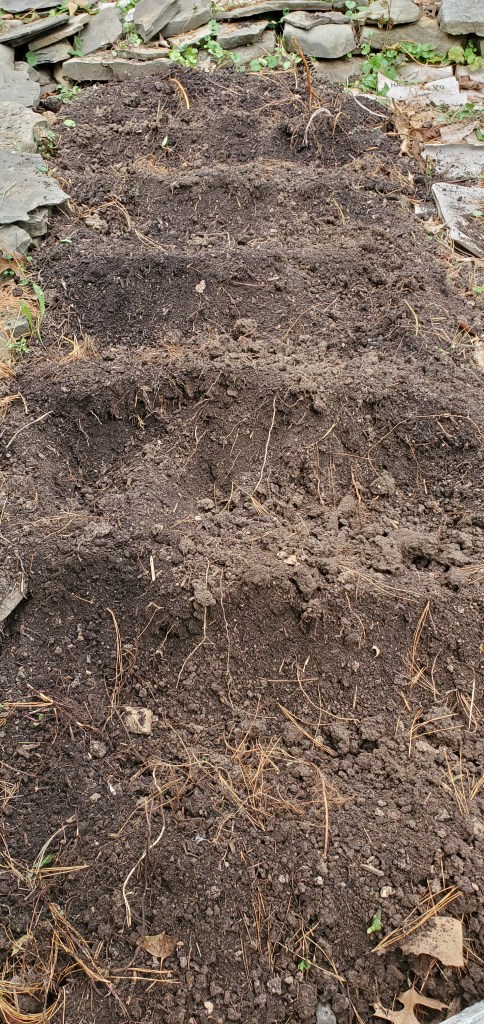
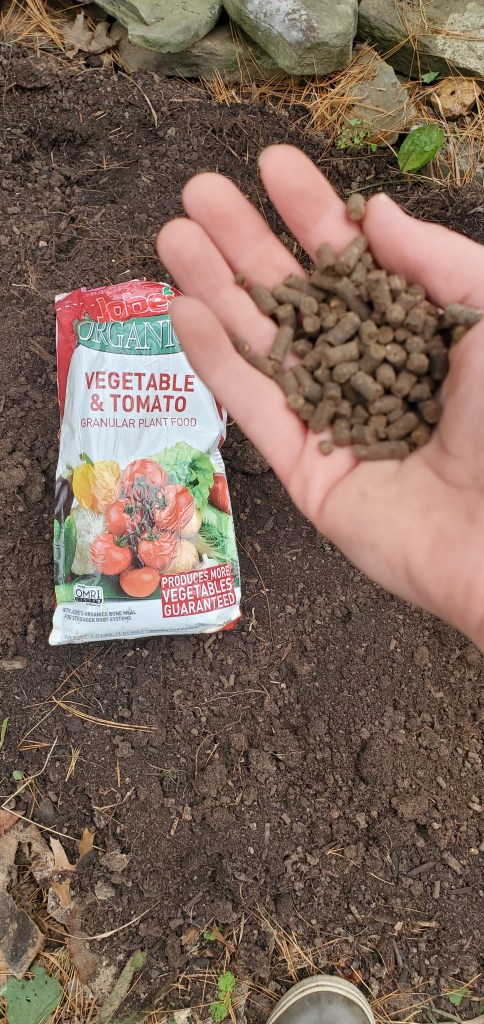
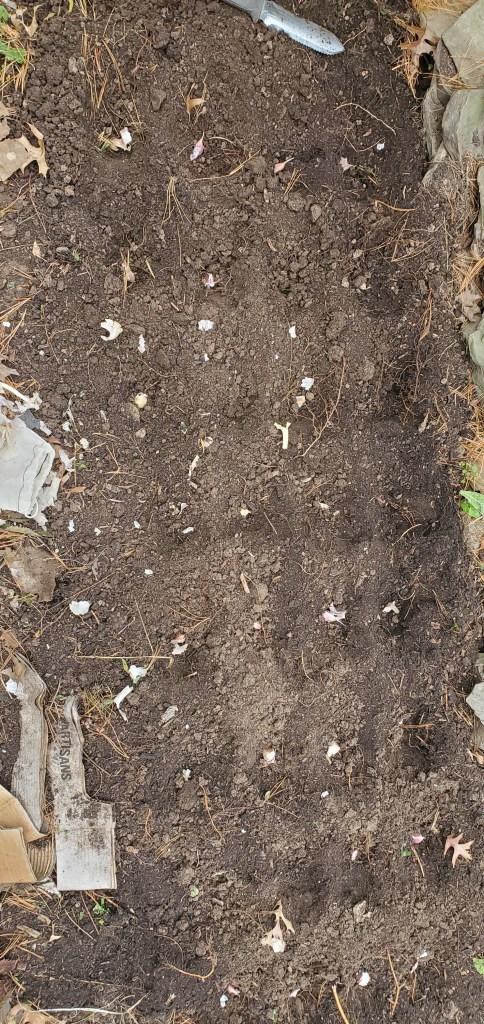
Beyond knowing how much and what kind, you’ll want to get your garlic planted in late fall – Halloween is usually my reminder. The soil is pretty easy going, just add a layer of compost, mix in some fertilizer, and cover with a 4” layer of leaves until spring. Last year I covered my bed with cardboard boxes as well so that I wouldn’t lose any soil with winter snow and early spring rains. I removed the cardboard in April and bada bing – garlic galore by July!
Hard neck – a long, flowering stem grows through the center of the bulb and becomes rigid after drying (which is where the name comes from). Hardneck garlic produces bulbs with fewer cloves, in the range of 4-12. They tend to do better in areas with colder winters.
Soft neck – does not have the flowering stalk and therefore a softer neck that can be braided. Softnecks typically produce a larger bulb with more cloves, usually between 8-20, in concentric layers. They tend to grow well in places with milder winters.
I’ve never planted cover crops successfully. The last two years I’ve thrown down rye seeds at some point in the fall and just hoped for the best. Well, as they say, hope is not a plan so that approach didn’t really get too far.
This year I bought two different ½ pound bags to spread across my three garden beds that are about 3’ x 20’ each. I bought oats and field peas mix and hairy vetch from Hudson Valley Seed Co. I have three other smaller beds that are further from my water source and I had sprinkled seeds on these beds back in August but didn’t pay attention to watering them so guess what happened? Nothing. Absolutely nothing.
So what’s the deal with cover crops anyway? What are they good for and why should you plant them? I’ve been hearing about cover crops for the last five years or so but I didn’t really think of the concept pertaining to my small-scale garden. But I was wrong. There are many benefits and advantages to be gained from planting cover crops in nearly any size space.
Here are some of the points that sold me:
Improve soil health – cover crops support all types of soil organisms that make a beautiful web of interdependence. Cover crops feed bacteria and fungi in the soil and worms and other insects eat the fungi and bacteria.
Prevent erosion – cover crops help stabilize soil to better absorb intense rain and cover crop root channels help soil hold water in drier environments.
Fix nutrients – cover crops hold on to nutrients such as nitrogen that can be released the next season to help the next year’s crops.
Capture carbon – Cover crops remove carbon dioxide from the atmosphere and build it into the soil.
So no matter what size garden you are working with, give cover crops a chance. It’s truly a privilege to be a steward of a piece of the Earth, so help it be as healthy as possible.
Fall is just so gorgeous that I hate to think of it as the end of something. Every season shines in its own way, and fall feels like the slow, gentle closing of the final chapter of a book that I really enjoyed. With the cool crops planted and some of the fast ones like lettuce, greens and radish nearly ready for harvest, my mind naturally meanders toward ideas and plans for what next year will look like. (Spoiler: my 2022 reflections will be the next post.)
Each year I try to figure out ways to simply, streamline, and build more sustainability into my gardening. Getting the timing down for seed starting, perfecting the numbers of plants of each crop I need to have enough to harvest and preserve, and minimizing weed and pest management are all important aspects. And seed saving is one of the biggest pieces.
Plants are natural reproducers. They want to go forth and multiply. And as fun as paging through seed catalogs is every December, I want to have my staple crops pretty well nailed down. There is always room to experiment and find new favorites (one of my favorite things about talking to other gardeners and volunteering on a farm), but it makes the most sense to have your seed bank naturally replenishing itself each season.
If you’re new to saving seeds, definitely start with the easy crops like green beans, peppers, and squash. Lettuces and greens are easy when they bolt in the spring. I’ll be honest in saying I haven’t yet tried to save tomato seeds but I plan to do this next year.
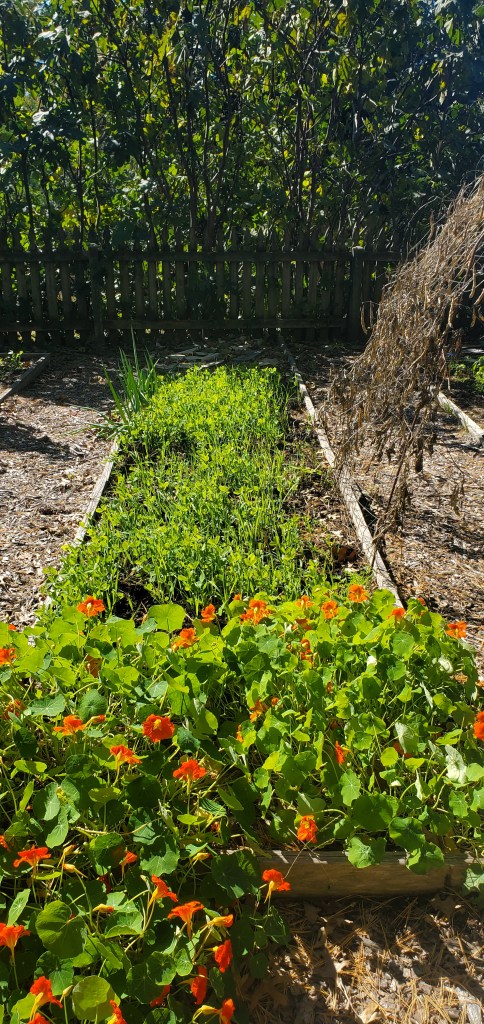
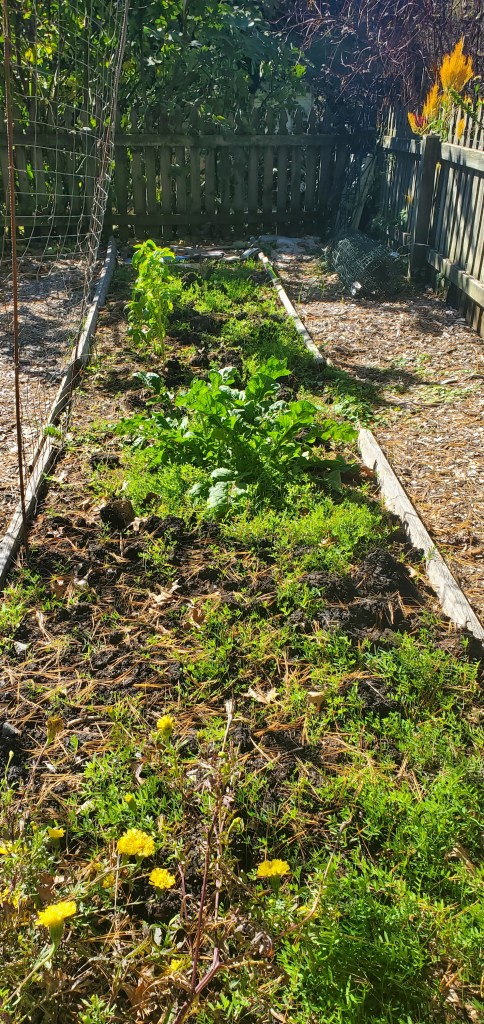
The main factor in saving seeds is letting one or two of the plants go to seed. This is the part I find challenging because when I’m ready to transition a bed from cool to warm or warm to cool, I just want to rip stuff out. However, that’s where a little planning pays off. This year, I did three long rows in each bed. The two outer rows were for the cool crops and the middle row was for the warm crops. This allowed me to let things bolt and stay longer than necessary because I wasn’t vying for the space. You can easily do this in smaller beds and containers as well.
Here are some tips for your seed saving endeavors:
Let your strongest plants go to seed. While growing, identify your best producers and take note that they are the chosen ones.
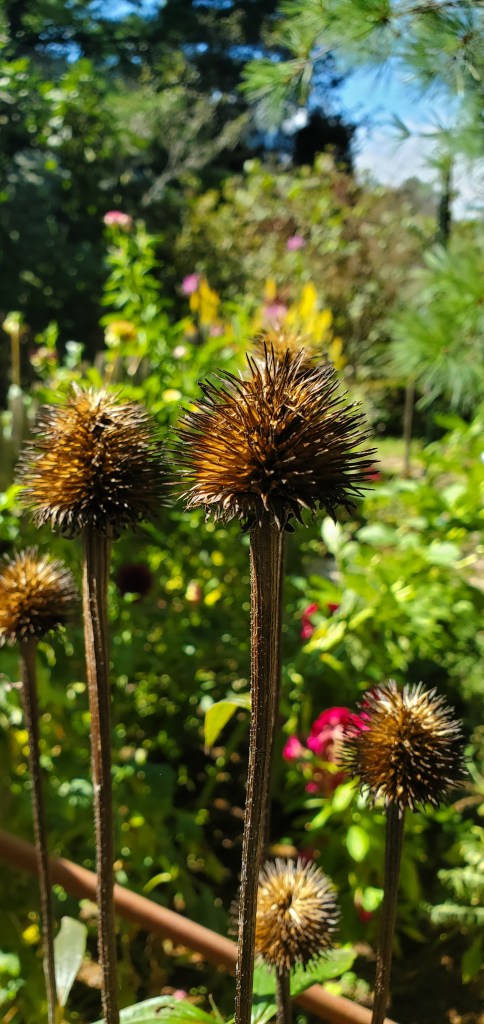
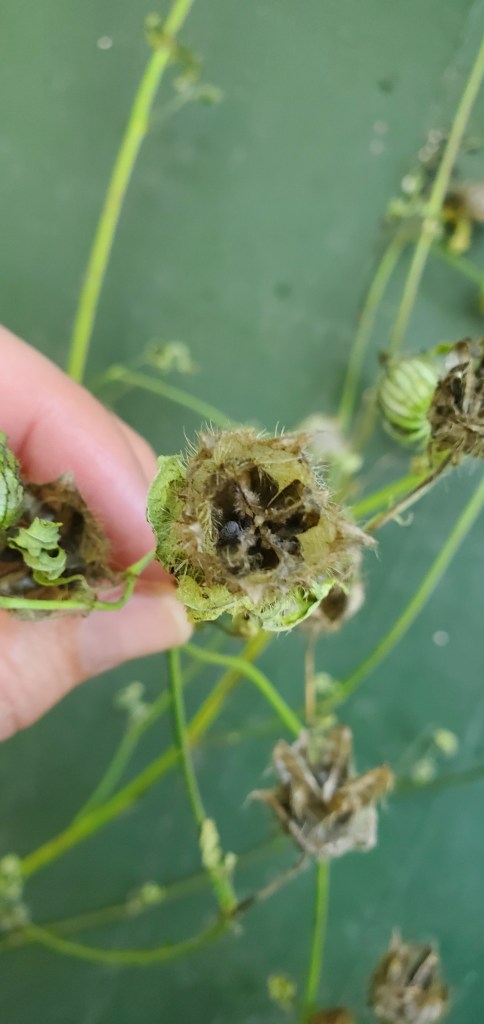
Pay attention for when they have created seed pods or seed heads (this applies to veggies and flowers).
Let the seed head/pod dry out completely. You can do this by leaving them on the plant for a week or two, but you run the risk of birds and other garden friends enjoying them and/or rain interfering. Or you can pick the seed pod/head and leave it in a cool place with decent air flow so that it dries out.
Then you go to work emptying the dried seeds from the pod or carefully breaking apart the seed head. I do this over a big piece of newspaper (the free one that shows up in my mailbox) and write on it with the name of the seed. Trust me, you think you’ll remember and you won’t.
Leave the seeds to dry on the piece of paper another 1-3 days.
Store the seeds in a paper envelope or other package where they will stay cool and dry and out of direct light until the next season.
What is your favorite seed to save? What tricks have made seed saving easier for you?


 farmcharmblog.com