How to Make a Low Tunnel

A few weeks back in discussing my fall garden, I referenced that I would be pilot-testing a low tunnel on one of my garden rows. I want to see how/if I can keep my broccoli and cauliflower growing as our temps begin to drop below freezing on a nightly basis. I wasn’t going at this from a particularly evidence-based or scientific approach and largely wanted to use materials I had on hand. One of my favorite sayings is, “when in doubt, recycle!” Ha, that’s not a saying but it should be. We have been very lucky in that the previous owners of this property left lots of tools and supplies, in addition to the fact that Cactus loves picking up “the best trash” from people’s driveways on trash day. And over the last two years I keep having creative spurts for projects that can utilize something I saw in our shed, workshop or barn.

Here is the SUPER simple approach I took:

  1. Identify the location I wanted for the low tunnel.
  2. Determine the size of the low tunnel – how long did I want it to be? I suggest starting small.
  3. What did I want to use for my support structure?  The sky (or shed or wallet) is the limit here, friends. You can be really creative (and frugal) and pretty much use anything – PVC, mesh fence, bamboo, tomato cages, etc.
  4. Figure out how many supports I need. I wanted my supports to be pretty close together so that the cover doesn’t sink in as we get more moisture.
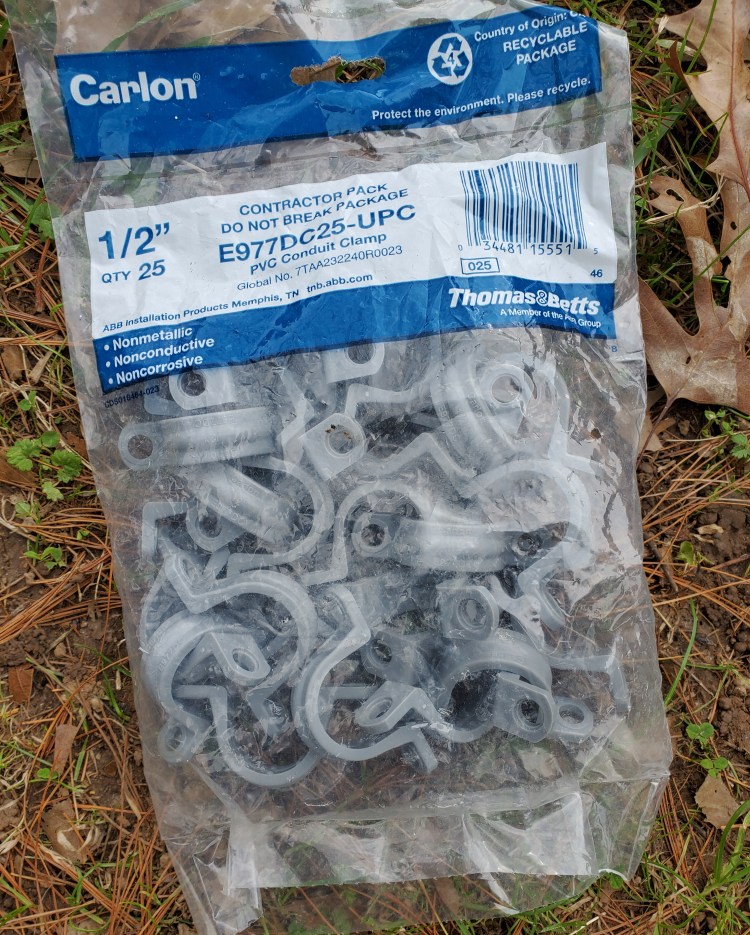
  5. How did I need to anchor my supports? Can they go right in the ground or do they need to be fastened to something? Cactus bought me these thinking we would nail them to the boards that divide my garden rows.
  6. What do I want to cover it with? There are (you guessed it!) lots of options on this front too, but I went with the material I had on hand.
  7. How do I want to fasten/attach the covering to the supports? There are probably 517 ways you can attach the thermal covering but I would recommend keeping in mind that you will likely want to remove and re-attach the covering depending on the weather. You will also want to consider what sort of weather it will need to endure – wind, rain, snow, sleet, etc.

Supplies I used:

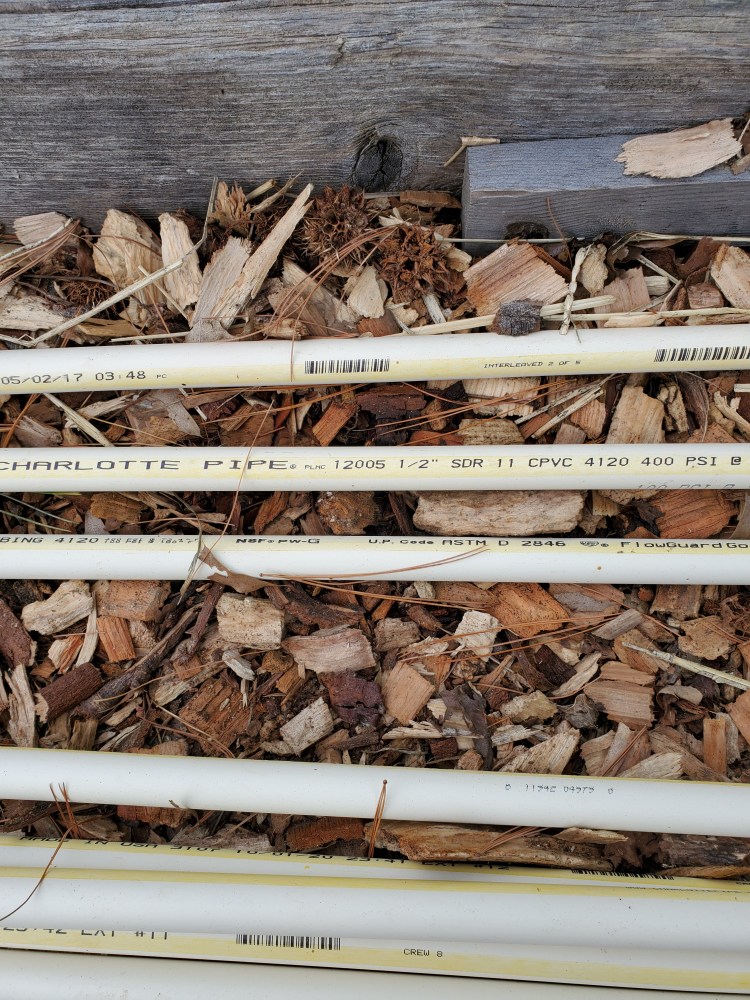
  • Eight 1/2” ten foot long PVC tubes
  • PVC clamps
  • Plastic sheeting
  • Two sets of hands
  • One brain (being generous 😉)

Steps I followed:

  1. Gather supplies and bring them to my garden.
  2. Ask Cactus to hold opposite end of each PVC line. 
  3. At this point, as we were about to attach each end of the PVC to the row border with the above clips, Cactus suggested why not just push them into the ground and see if they will be secure enough.
  4. Ta-da, we saved ourselves the work of screwing and measuring and aligning, and were done in about 5 minutes.
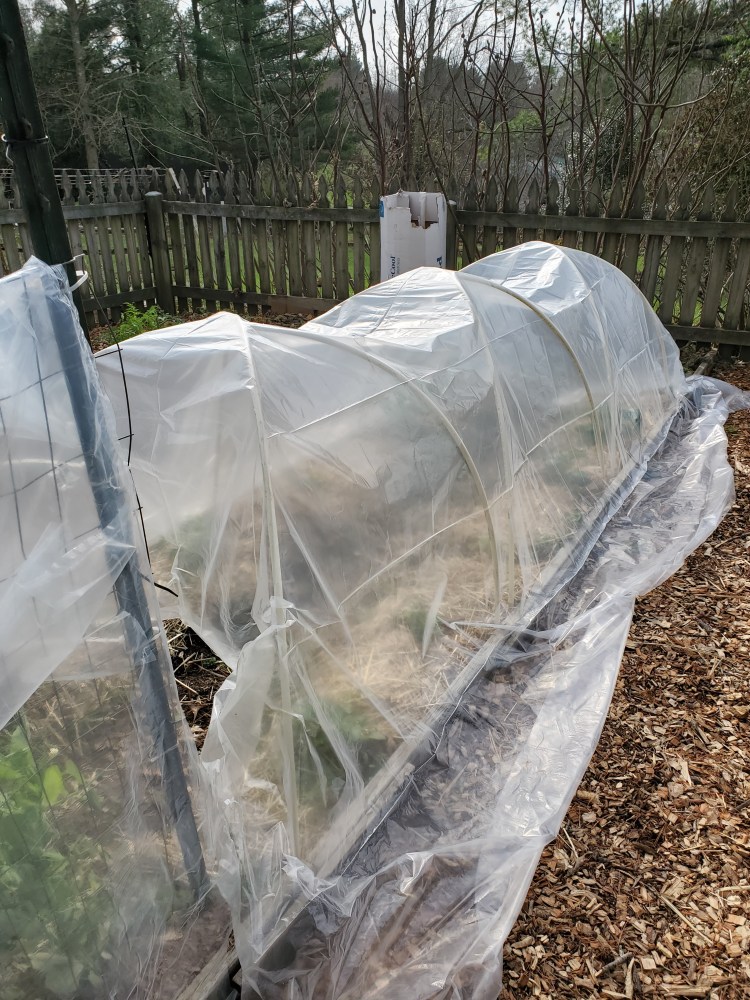
  5. We aligned the PVC pipes to make ‘X’s’ thinking that would be stronger support than individual hoops. 
  6. Overlay the plastic sheeting on top of the PVC tunnel.
  7. Secure with your choice of tomato clips, bricks, 2x4s. I laid 3 bricks down each side.
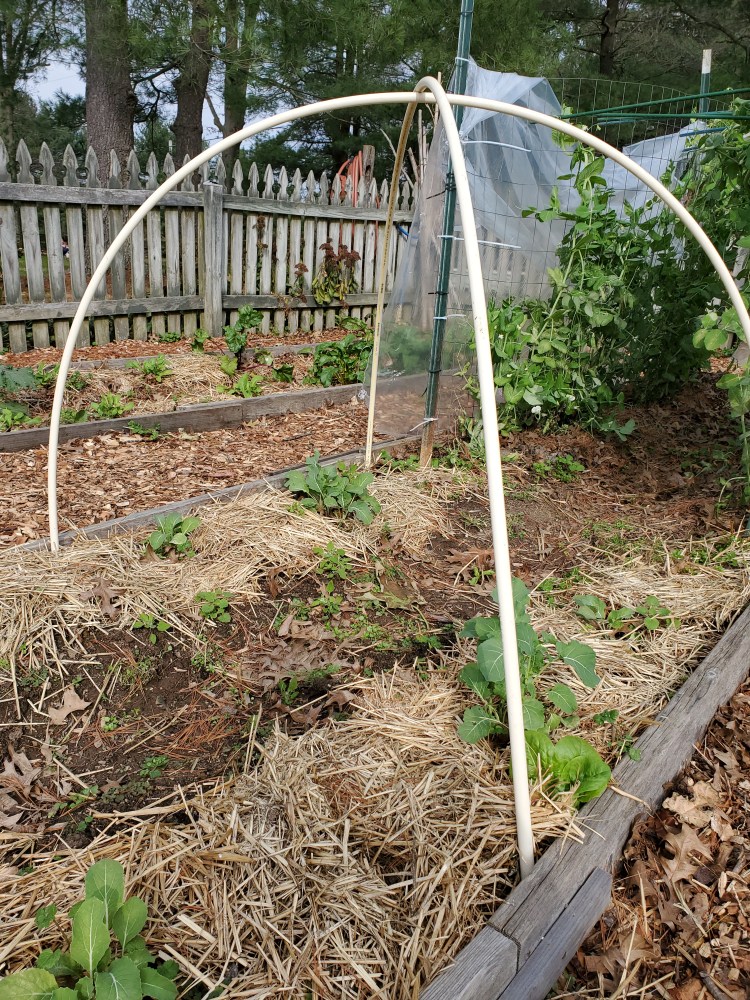
I’ll keep you posted on how effective this little tunnel is. I’m pretty sure the plastic sheeting is not the right material, but I’m recycling an item I have before buying something new.
Fall garden update

With only about a month to go before the first frost, here’s how my fall garden is coming along.  Now remember, I did not plant anything at the right time (i.e. late July to mid-August).  I didn’t have the space in my garden due to tomatoes, peppers, lettuce, green beans, and squash being all over the place, so I waited for a few things to peter out before I uprooted them.  Hence, I planted my fall crops at the end of August and beginning of September. 

AND, I had the challenge of bunnies and/or mice coming in and eating seeds the day after I put them in the ground so I had to come up with a solution.  Not sure how you pronounce it (klotch? cloach? whatevs), but I went the route of water bottle cloches and that seems to have worked.  To outsmart these little garden critters, I cut the bottoms off of some plastic water bottles (not mine of course, cuz plastic water bottles are so six years ago) and twisted them in to the soil and then dropped some seeds in and then sprinkled a little more dirt on top.  Worked like a charm! 

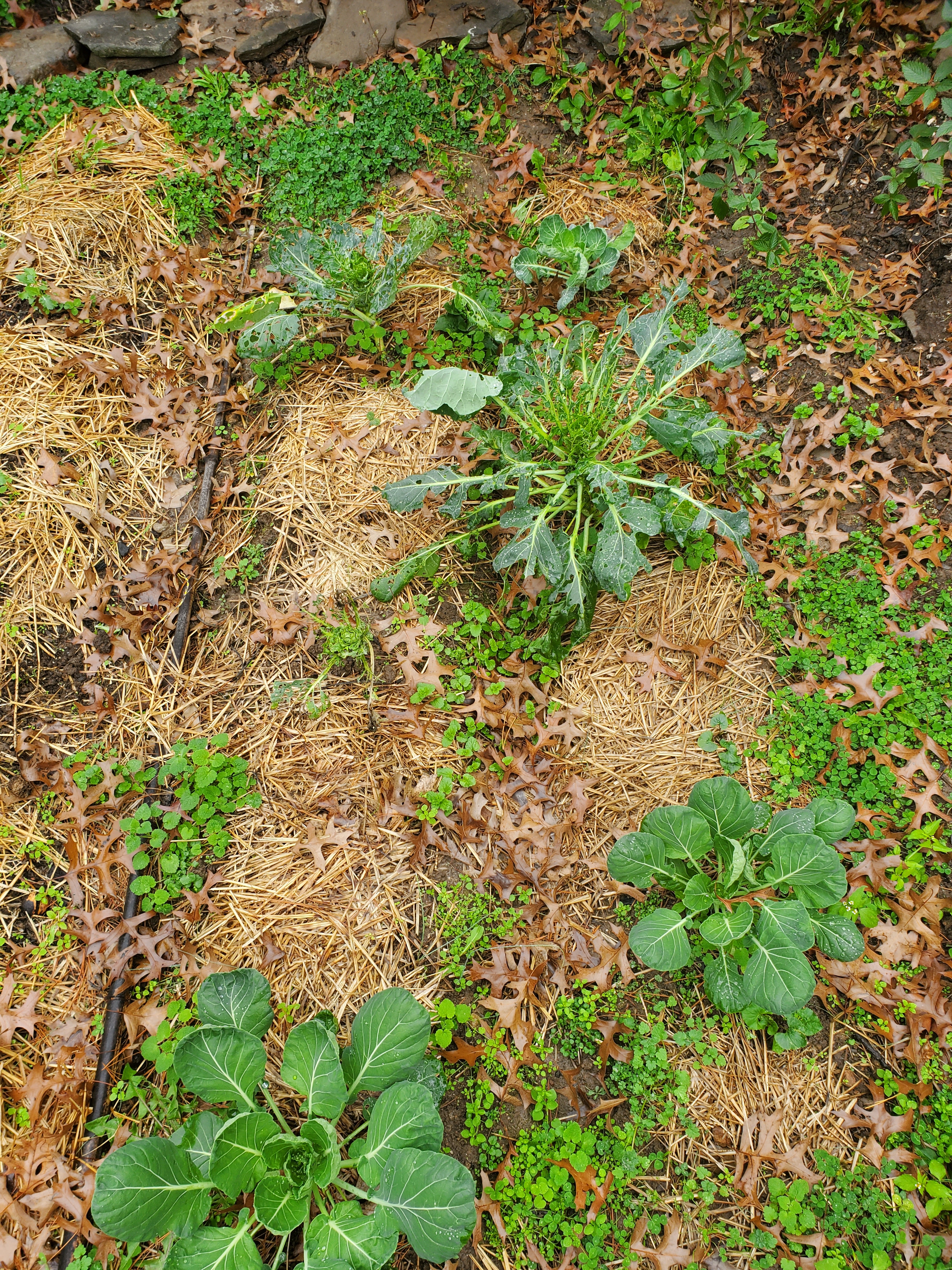
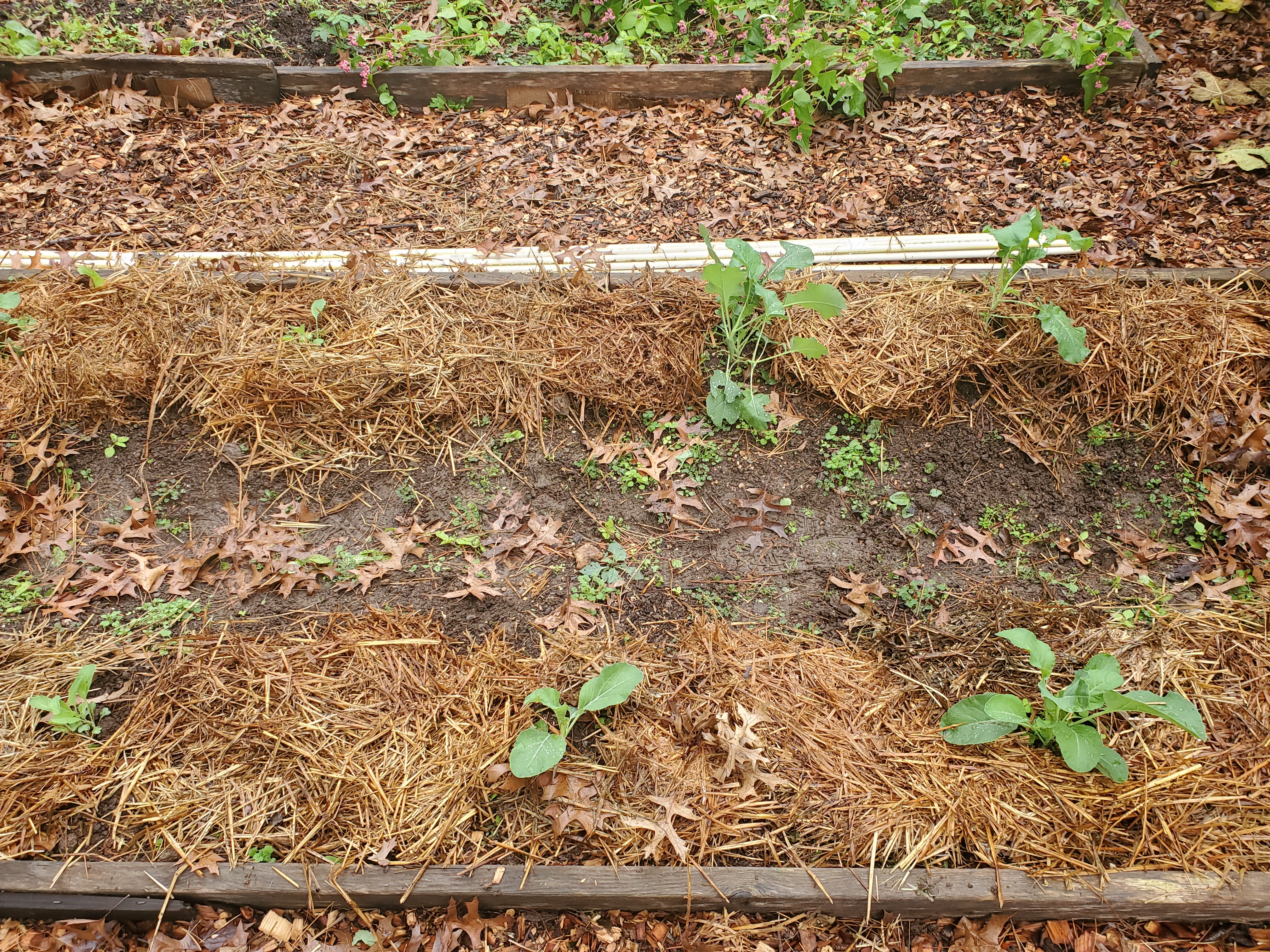
So here is how things are looking towards the end of October, maybe 45ish days in. I’ll be honest, I’m concerned there isn’t enough time to see a harvest before it gets really cold so I may be constructing a quick low tunnel (cliff hanger…)

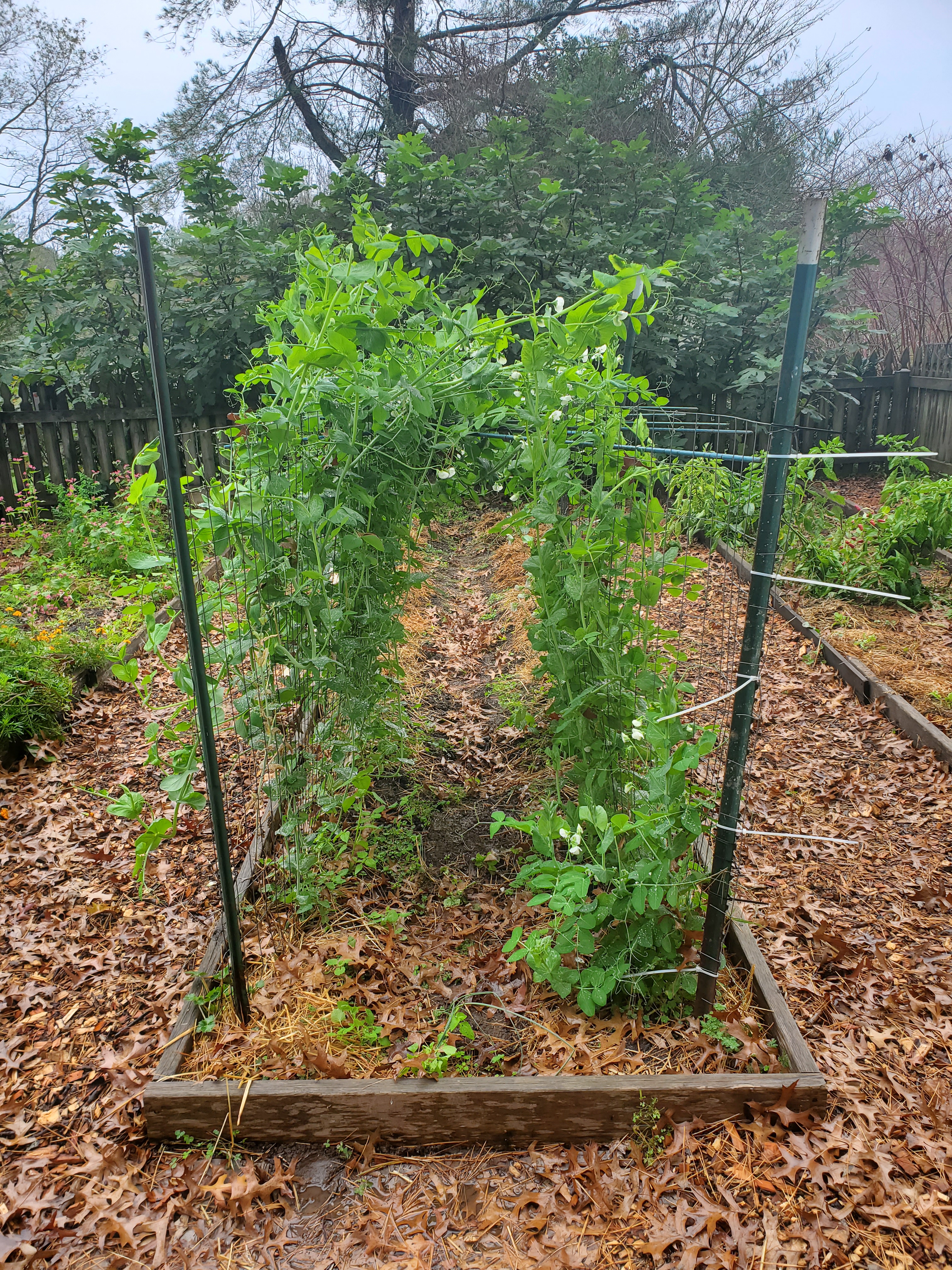
Peas and sugar snap peas (far right)
Golden and ruby beets (bottom middle)
Broccoli and cauliflower (top middle)
Russian and regular kale (not pictured)

And my test run of brussels sprouts (left above).  I bought six seedlings to start and three plants were devoured by cabbage worms.  It was so sad. I came out every morning to squish the worms I could see and spray the plants with soapy, cayenne pepper water for about ten days and I still lost the battle.  But I’m dumbfounded why only three of the plants were attacked.  Anyone?

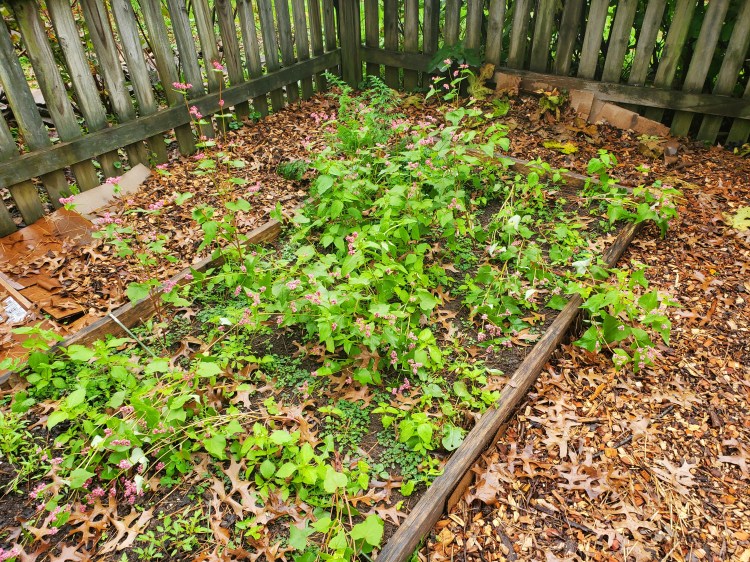
I did a little cover crop section of buckwheat that is so pretty in pink but I need to chop down. You may have also noticed that there are wood chips everywhere. I signed up for chip drop and we have tons of wood chips to use in the garden, flower beds, around trees, and in the chicken coop. So exciting!

four rows of ruby buckwheat planted for a cover crop

‘Tis the Season for Seed Saving

As my summer garden is winding down – I’ve only got tomatoes and peppers left – there’s a little time to catch my breath from the chaos of summer (and virtual school – HALP!!!) and preserve some of the seeds I am hoping to use next year.  This is my first attempt at seed saving so I am by no means an expert opinion but I figured it was worth trying.

In theory, it should be simple for most fruits and vegetables.  Essentially, just let the plant “go to seed.”  It’s not exactly that simple but sort of.  Some things like butternut squash or peppers are super straightforward – I set the seeds aside after I’ve cut the vegetable, let them dry out completely for a few days, and then store. 

So what does it mean for a plant to “go to seed”?  As far as I understand, the plant needs to have gone through germination and sprouted, then it becomes a seedling, then it grows for a bit to get to the budding phase when flowers will appear.  These flowers turn into fruit due to the handiwork of pollinators like birds, bees and butterflies (truly amazing and seemingly impossible when I think about it).  Then, once the fruit/vegetable/leaf has been left long enough to become overripe, it can be picked for seed. 

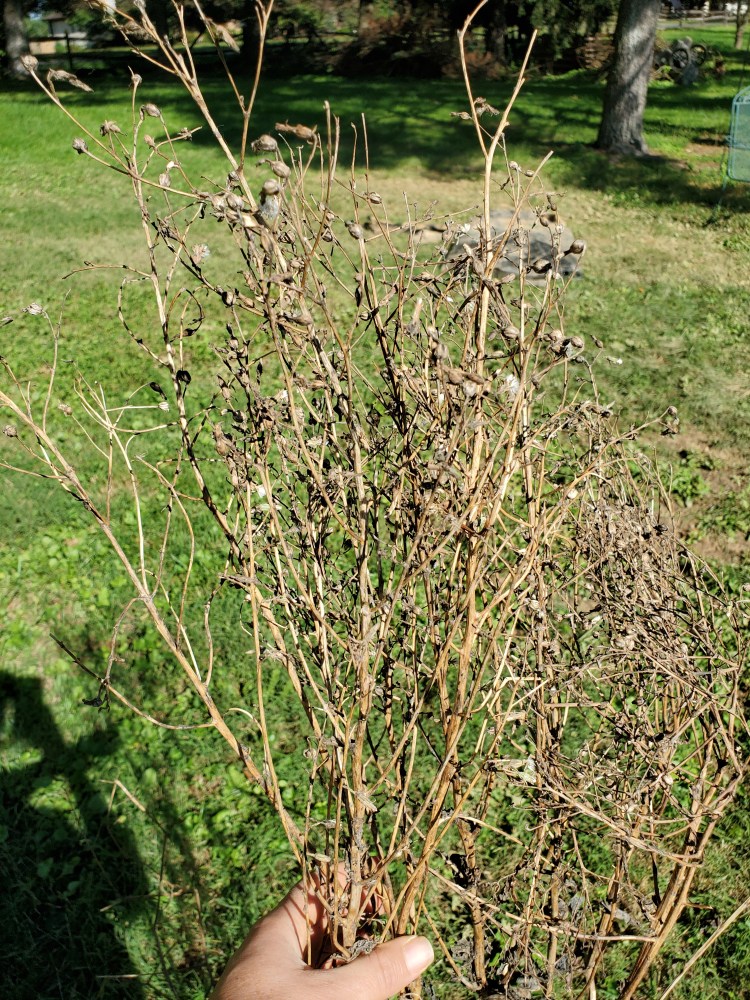
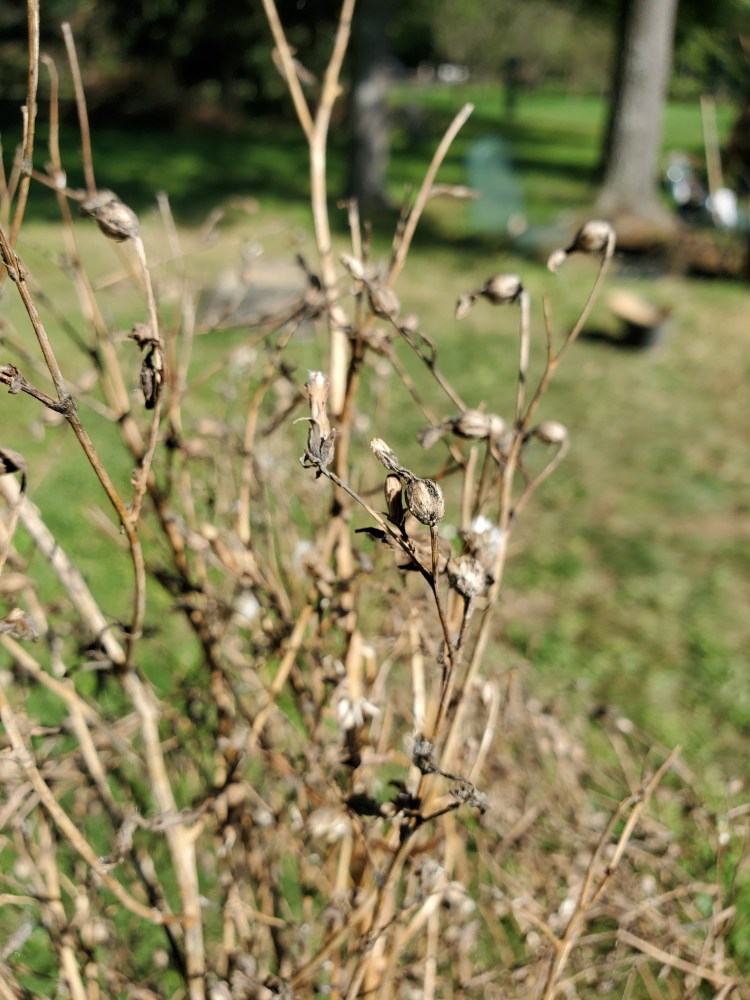
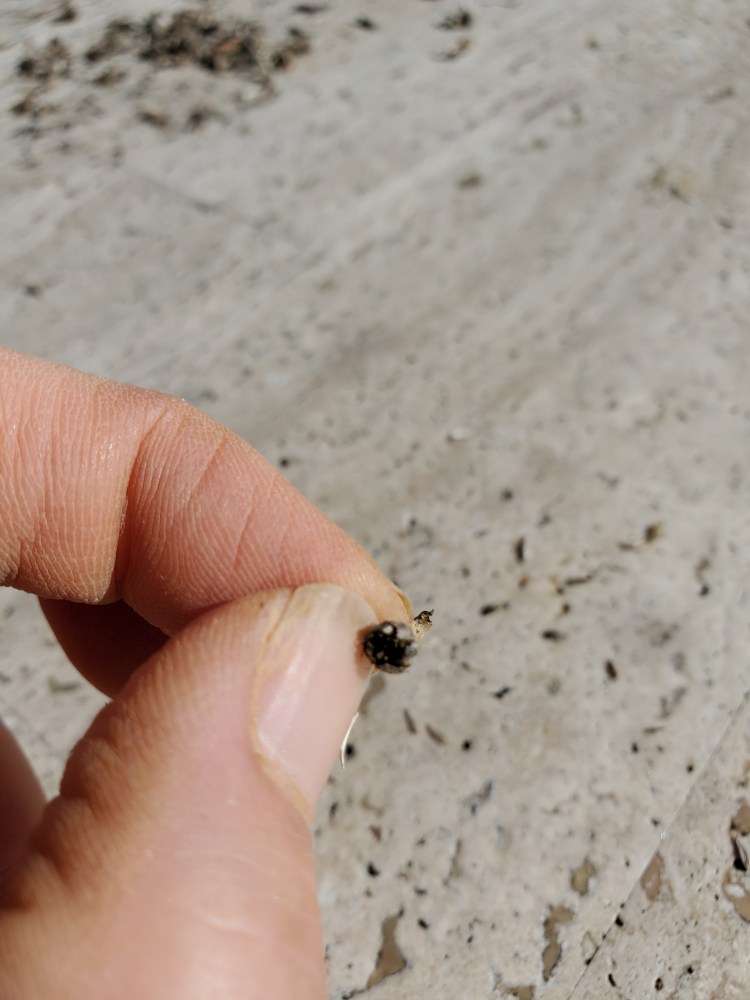
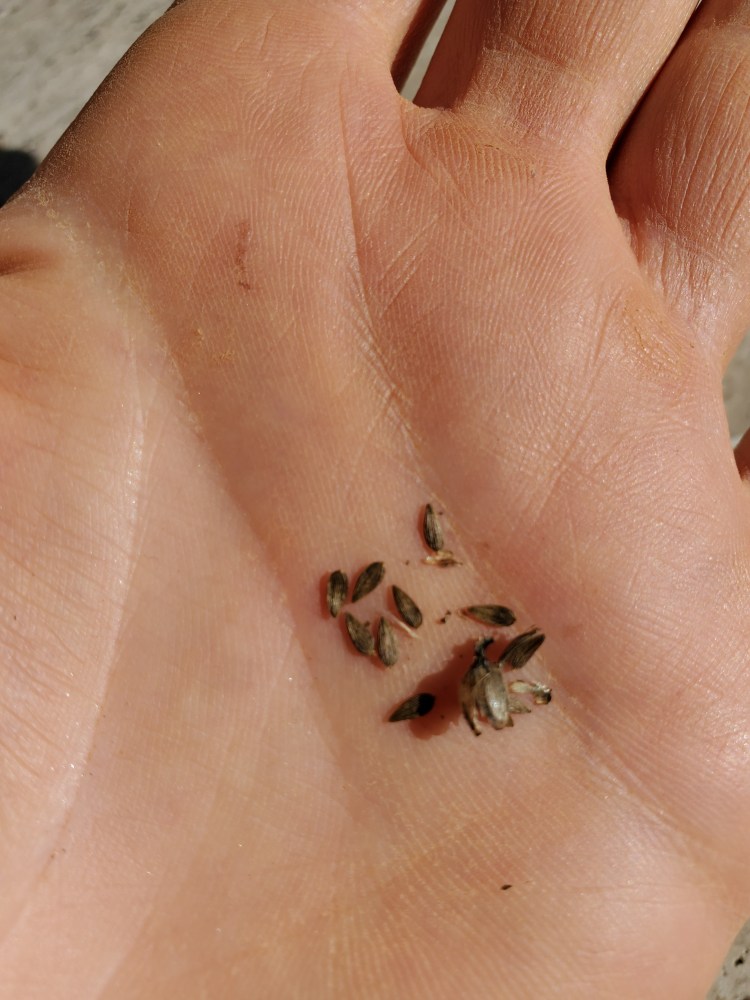
In this first attempt, I went for green beans and lettuce. Legumes in general are one of the easiest to seed save because you can just let the pod become dry and brown. Lettuce is fairly easy too because I just left it to bolt and flower, and then the little seed pods formed (pictured below).

Seed Saving Tips:

  • Plant extra plants to begin with (maybe 2 or 3 depending on how much seed you want to save) so you have what you need at the end of the season for saving.
  • Pick the best plants to seed save.  This is a bit tricky because if it’s the best plant, you’ll likely want to eat the fruit, which you can’t do if you are letting it overripen.
  • Understand that it takes time to separate the seeds.  For this first attempt, it took me about 30-45 minutes for each.  That’s not too long, but it’s also not a 30-second task.
  • Make sure seeds are fully dry.  Can’t stress this enough.  Do not rush to store any seeds before they are fully dry because they will grow mold and be unusable the next year and all your hard work will be for naught. 
  • One of the most critical pieces of seed saving is how you store them.  Always in paper, never in plastic, and in a cool, dry place.  You don’t want moisture encouraging any mold to grow.

Of course there will always be a little suspense until the next year when you are able to plant the seeds you saved. But start small and see how it goes.  Gardening is trial and error all the way and this is part of it.

The Fall Garden

Okey dokey artichokey. It’s been 93+ degrees for what feels like the last three weeks straight so you know what I’m thinking about… FALL! This happened to me last year. It’s August, it’s hot as heck, I’m tired of sweating from every crevice of my body so I start daydreaming about cool, crisp mornings and the leaves changing color. I’m basically the inverse of Olaf. I’m more of a Spring and Fall person now and could do without the blazing summer heat that makes it so I don’t want to be outside between the hours of 10am-7pm. Oh, and then there’s the mosquitoes. But please stop me. 

Planting cool weather crops in the heat of summer is a bit tricky. Seeds won’t germinate as easily in the warm soil. I know this because I put beet seeds in about two weeks ago in the shadiest spot of my garden and nothing happened. So I’ve been holding out for a few days where the temps will be slightly lower and next week looks like my chance. Honestly, I’m not sure if there is much urgency to plant at the beginning of August since the crops on my list should all be pretty frost hardy and can make it to early November. I’ll give it a whirl and may resort to starting them indoors just as an experiment.

Here’s what I’m planting from seed (and I’m zone 7 for what it’s worth). For fun, I’m also grabbing some Brussels sprout seedlings from a local nursery just to see if they grow.

  • Beets
  • Kale
  • Peas
  • Sugar snap peas
  • Broccoli
  • Cauliflower
  • Lettuces
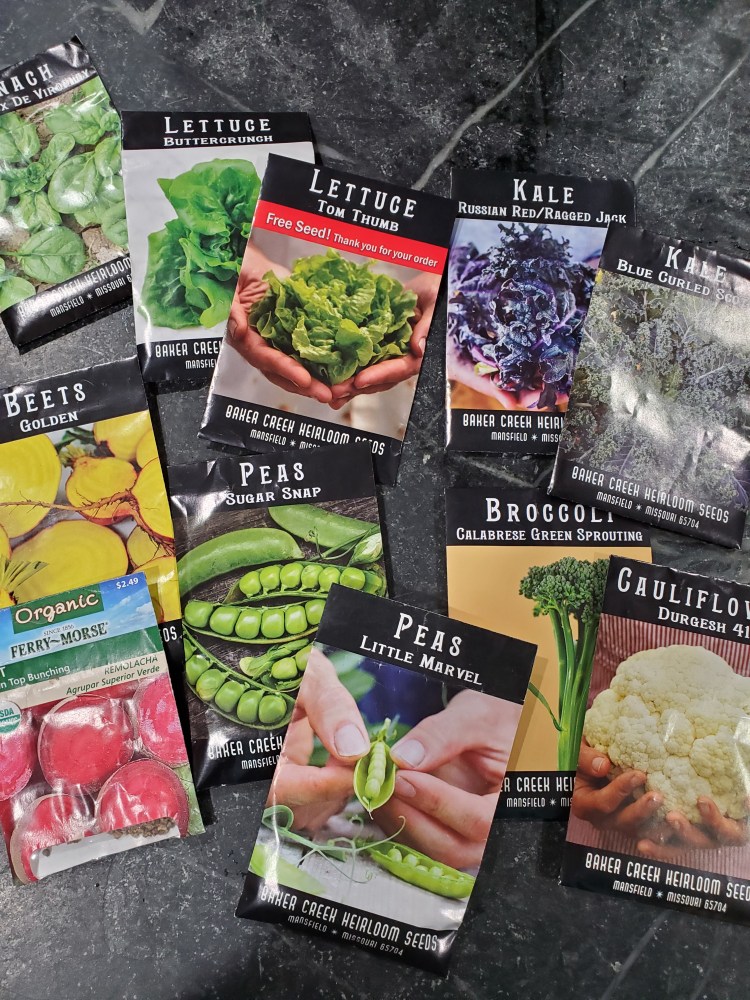
11 seed packets for fall crops

In other news, we harvested our first two meat chickens. Yeah, could have gone without that life experience. I’ll be pondering this for a bit before we decide to raise more next year. These guys were given to us and we did not know they were meat chickens so turned out to be more of a “gift” than we realized. Definitely makes my plant-based eating hit closer to home. I’m sure we’d all eat a lot less meat if we raised and butchered it ourselves.