First Year Garden Learnings – Part Two

Howdy again.  I’m back with part two of my first year garden learnings.  I’m glad I took notes and will continue to do so. Doing this lookback is also helping me think through some of my plans a little more deeply, which is good.

What I hope to improve next year:

The blueberry ambush.  We will have to rewire our electric fence.  The deer in our area are out of control and they are not taking my blueberries again.  The Deer Chaser was not enough of a deer-terrant.  Ha ha ha, I had to.  
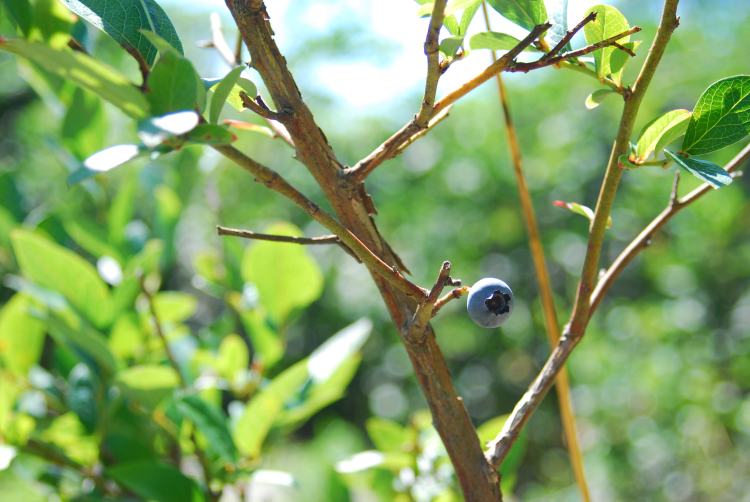
The single blueberry that the deer left behind on Farm Charm
The lone blueberry that the deer left

Carrots and cucumbers.  Total flop.  Nothing ever sprouted and I tried carrots twice – once in the spring and fall.  Grrrr!  

Starting my seeds in an egg carton. The cucumbers never sprouted.
Every other seed I started grew, except the cucumbers and carrots (which were directly seeded).

Fig Fail.  Wah!  I believe a few things worked against us.  I don’t think we pruned enough of the old growth or insulated the roots during the colder months.  I reached out to the previous owner as well and he said that some years were a miss as well for them.

Kale caterpillars.  I had to rinse all my kale like 9 times before I used it and I’m sure I still ate extra protein without knowing.  Not that big of a deal, but it did slightly lessen my enjoyment of the salads. However, not worried about worms at all from the bags of kale I froze and am putting in smoothies.  I’m trying to keep my garden chemical free so will need to figure out how to keep these caterpillars out.

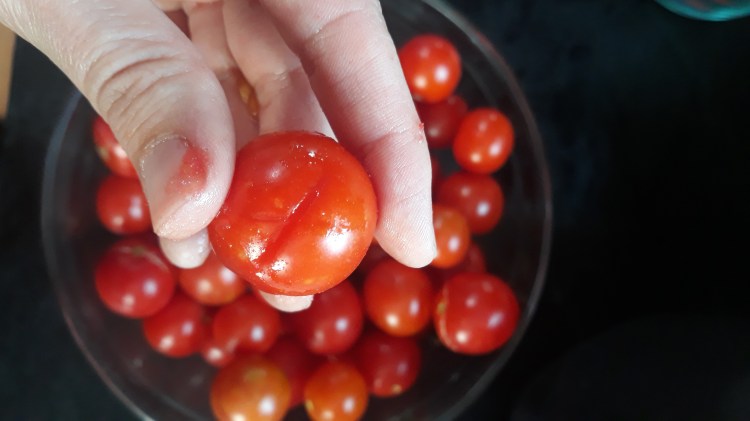
Tomatoes a-go-go.  Since I hope to do more canning next year, I am not going to exclusively plant the small guys.

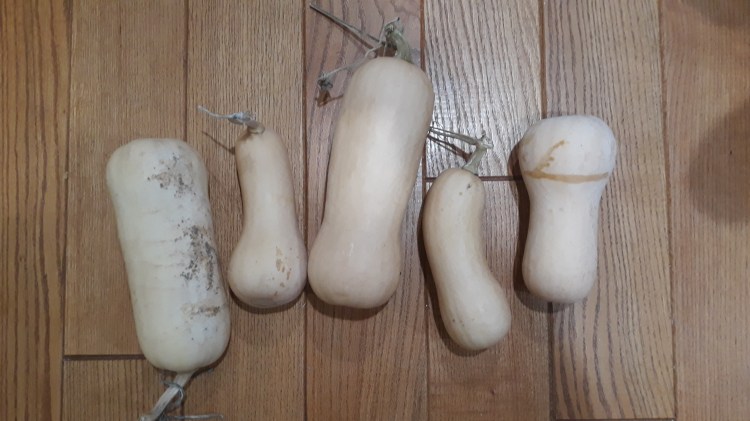
The layout.  I feel like the location for where I planted squash and lettuce could be improved.  The squash needs room to spread but also needs to be contained somehow. The two butternut plants took over the entire corner of the garden and grew through the fence.  For the lettuce, not sure if it was due to soil or sunlight, but my lettuce leaf varieties did not take hold the way I would have hoped. 

Spacing.   Green beans need their space.  So do tomato plants. This is true both horizontally and vertically.  I will need to create better trellising configurations. For the green beans, I made a teepee that was not tall enough, only about 3 feet tall.  Next year I will make it at least 5 feet tall and just plant 1-2 plants at each leg of the teepee. Personally, I don’t think tomato cages get the job done.  The plants get tangled in them and they can still tip over. I’d really like to have some sort of bar suspended above them that they can grow up to.

No compost bed.  I will not be dedicating a garden bed to composting.  It became intractable and overgrown and my garden does not have extra space.  Plus we have three other compost piles.

Take pictures of everything!  Since I’m out in the garden so much and my memory is so, so spotty, I want to put a reminder on my phone to take a picture once each week.  This will be a great visual record of where stuff was planted, how quickly it grew (or didn’t grow), etc. The challenge will be remembering to take my phone.  I enjoy my gardening time as a way of being outside away from screens.

New veggies I want to try to grow:

  • Broccoli
  • Brussel sprouts
  • Collard greens
  • Golden beets
  • Spinach

What I will NOT be growing next year:

Strawberries – I had four strawberry plants and as you know they were a great source of sustenance for what I guess were a local bunny family.  I think we only ate 10-12 strawberries tops. I’m sure I could learn more about caging them in a way that allows them to spread while being protected, but they seem like more trouble than they are worth at this stage of my gardening game.
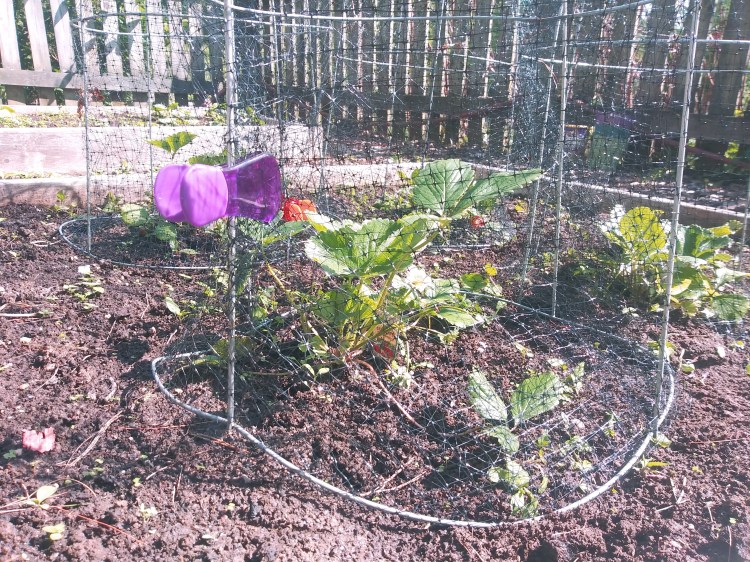
Farm Charm tomato cages wrapped in netting to protect my strawberry plants
My strawberry plant cages. These were good in theory but didn’t allow the plants to spread.

First Year Garden Learnings – Part One

One of the things I have heard and read over and over from other gardeners and homesteaders is to take lots of notes throughout the year so that I’ll know to adjust things a few days/weeks earlier or later for next time.  I’m curious how helpful this will be with the climate changing as much as it seems to be in such a short period of time.

I feel like all I hear is “this isn’t typical” or “the unusual weather we’ve been having” or the “unseasonably warm/wet/dry…” etc., etc.  So I guess we’ll see what the next cycle of seasons brings for my gardening endeavors. Here are some of the big takeaways from my first year and I feel pretty positive on the whole.

What Went Well – the dubya dubya dubya

Arugula: My two arugula plants are more like bushes.  I have done absolutely nothing in the way of nurturing them and they just keep flourishing.

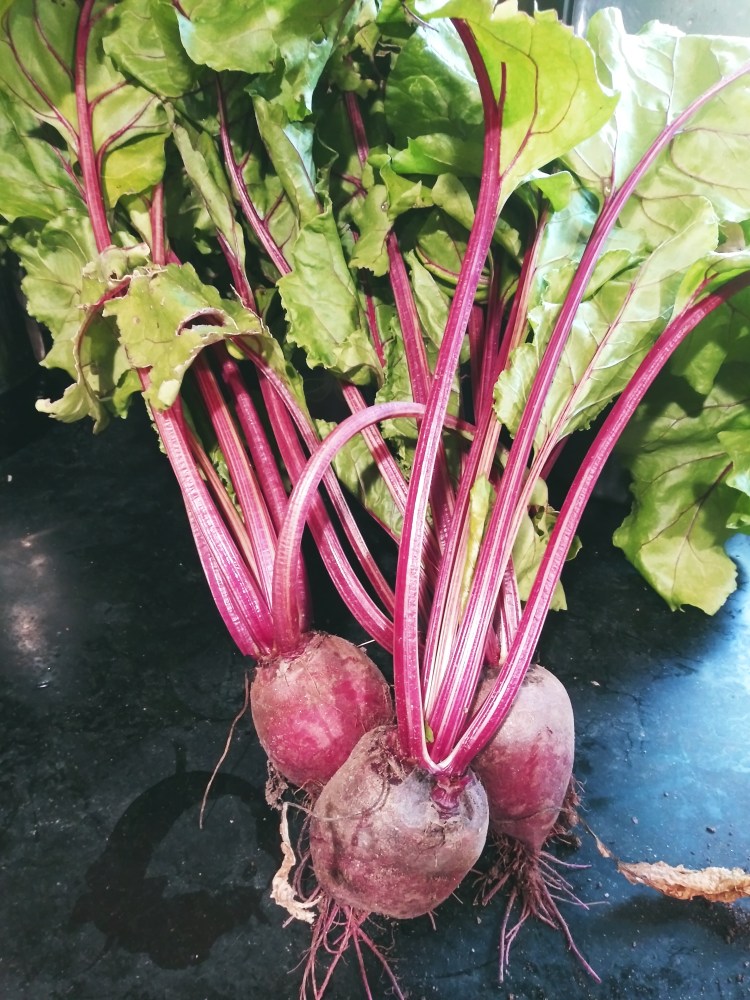
Beets:  Oh heavenly sweet beets.  They were huge and juicy. If only I had pickled them to preserve the bounty.

Farm Charm Beets

Berries: Taking no personal credit, the black raspberries were insane and the raspberries were quite good.  I will just have to make more of an effort to collect them routinely.

Butternut squash:  By far the MVP of this year.  Holy moly I think I had about 20 butternut squashes from two plants.  They grew all over the place (which I will need to work on next year) but every single one of them has been 1000% delicious.  Better than any I have ever bought from the store.

Farm Charm Butternut Squash

Green beans:  I had more than I knew what to do with all to be harvested at the same time.  Next year, definitely going to try canning some.

Peppers:  I had jalapenos and bell peppers.  Not too many, could probably plant one more plant of each to have extra that I chop up and put in the freezer for the winter.

Tomatoes:  I did all small varieties because I love them on salads and as salads (caprese, cowgirl caviar, etc.).  

Farm Charm Cherry Tomatoes


Watermelon:  This was just an experiment and we got three watermelons!  The location will need to be re-thought (similar to the squash) but I was surprised anything even took.

We’re Jammin’… and I hope you like jammin’ too

We have had quite a bounty of berries for weeks now.  It’s been such a delight to be able to walk outside and pick a bowlful of berries to have on the kitchen counter for some “walk by snacking” or for an after dinner treat with a little scoop of vanilla ice cream.  

Luckily, our berry bramble is growing extremely well and we already have more than we can reasonably eat so I wanted to preserve some of it.  The simplest option in my mind is freezing them. I know that I should lay them all out in a single layer on a sheet pan, let them freeze individually so as to not have one big clump, and then put them in a freezer bag. However, I have found that I don’t eat frozen berries all that often throughout the winter.  People always suggest throwing them in muffins or smoothies which are good ideas, I just don’t happen to do it.

Instead, I wanted to try my hand at canning some of these berries into jam.  I know absolutely nothing about canning and was curious how complex it might be.  I started by watching some videos on youtube of course and one of my go to bloggers is Melissa K. Norris and she has a whole 4-part series on canning that is free and extremely informative.  I also read about it on the National Center for Home Food Preservation site.

Then I figured I should just give it a go.  This whole year, and these first few years, are all experimental in my mind.  I don’t want to set much in the way of expectations because I truly don’t know what level of effort and involvement any of this requires and whether I have the time and ability to do it.  For me it’s going to be a matter of finding the things I get the most enjoyment from and that also serve my family well. I’m not gonna struggle to grow something that only I like and I’m not gonna fight the Earth to grow something that just doesn’t want to grow (except an avocado tree!  I am going to grow one, I just have to).

So here are the basic steps I followed for making and canning my first ever blackberry jam*.

Part 1 – The Berries

Gathered about 5 pounds of berries.  I tried to get a mix of pre-ripe and ripe so that the natural pectin would be sufficient without having to add any.  I don’t fully understand the pectin conversation so I’m just gonna have to play around until I figure out how to get the correct gel-like consistency.

Rinsed them in a strainer and removed any stems and leaves that were in the bunch.

Blackberries from the Farm Charm bushes

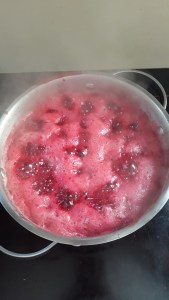
Placed them in a sauce pan on medium high heat with about a cup of sugar.  (Disclosure, I actually tried this about a week ago and got to this step, ran upstairs to put some clothes away while the berries were on the stove, and got distracted doing other things.  I could smell the berries from upstairs and they smelled like a beautiful berry wonderland until they didn’t. All of a sudden I could smell burning and they were a darkened charred mess in the pan.  Sooo, don’t do what I did.) I suggest staying close by and stirring the berries often to keep an eye on how quickly they are breaking down. It didn’t take more than 5-10 minutes, but this depends on the fruit you are using.

Simmering my berries
Cooking the blackberries for canning

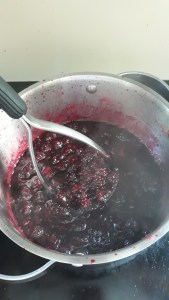
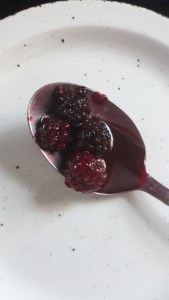
Mashed the berries a little so it was a uniform consistency and did the “spoon test” to check for done-ness.  I am not 100% confident the gelling happened to the correct degree but I’ll see what happens when we try the first jar of jelly.

Mashing blackberries
Spoon test for canning readiness

Part 2 – The Canning

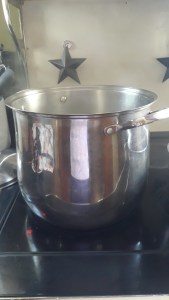
Sterilized my jars.  I filled up the biggest pot we have and boiled the water.  I carefully placed the Ball jars inside. I read to put a cloth in the bottom so that the jars don’t knock around so I did.  I do not have true water bath canner. Again, I’m a total newbie at all of this so before I start spending chunks of change on the right equipment (which I fully support), I’m being creative with the tools and equipment I have.  

My 20 quart pot for canning
Sterilizing canning jars

Removed the jars carefully and placed them on a clean towel on the counter to dry.  Placing the jars in the boiling water and removing them was when I wished I had the proper jar lifters.

Canning supplies

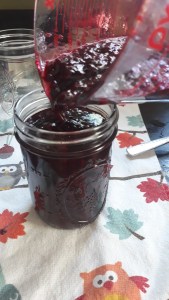
Filled the jars with the berry compote.  To minimize spills and drips, I ladled the berries from the saucepan into a Pyrex measuring cup with a spout that would ease pouring.

Blackberry jam in my 4 cup pyrex for easy pouring
Pouring my first jar of blackberry jam

Put the lids and rings on the jars and carefully placed them back in the boiling water for 5 minutes.  They had to be completely submerged in water with about ¼ of an inch covering them.

Removed them from the boiling water and tested the seal.  There was no clicking and I could lift up the jar by just holding on to the lid on and it was completely fine.

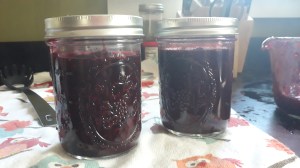
Two jars of homemade blackberry jam

Now I have four jars of blackberry jam.  What will I do with it? I’m a huge fan of PB&J so that’s an obvious one but I also think this would be excellent on blintzes for a yummy weekend breakfast or a dollop on top of a bowl of plain yogurt.  I’ll let you know what else I come up with.

*I’m not recommending you follow these steps exactly; definitely consult a reputable resource on canning.

Beetles and the Beans

Tale as old as time, true as it can be…  Just kidding, making a very dorky play on Beauty and the Beast with my post.  My green beans have been doing very well.  A number of people had told me to plant green beans as they were basically fool proof.  I love disclaimers like that because I can pretty much guarantee it won’t be that straightforward for me.

I had read that it was helpful to sprout the seeds in a moist towel for 2-3 days before directly sowing them in the ground.  That worked really well. I just used an old wash cloth, dampened it slightly, rolled about 12 seeds up, and left it on the kitchen counter in a produce bag from the grocery store so that it stayed warm and moist.  I checked it each day to make sure it was still damp and then three days later every seed had a sprout shooting out. Then I planted all the seeds outside.

I will say I did not follow the instructions on the packet regarding spacing.  I think I was just so happy that all seeds had sprouted and I wanted to use every last one.  I had only designated half of one of my garden beds to beans so this was about a 4×4 foot square that I planted 12 bean plants in.  Learning #1:  follow the instructions on plant spacing. I have learned it doesn’t do me any good to have a big jumble of plants that I won’t be able to tend.  The spacing recommendations are to allow each plant to grow and thrive. Sounds obvious, but so is a STOP sign and we don’t all follow those.    

Speaking of jumble, Learning #2:  doing a trellis or some other support structure for bean plants (and other vining or wandering plants) is necessary.  I really liked this video from Melissa Norris on building a teepee trellis and used this concept for my green beans.  However, I don’t think I built my two teepees tall enough.  My teepees were only about 4 feet tall so as the plants grew to the top, they just wound back down and became a big interwoven mix up.  Having too many plants probably also contributed to this scenario. I think what I will try next year is to plant one plant at the base of each leg of my teepee, not more than 6-8 plants, and make the teepee at least 5 feet tall.  I will also allot an entire garden bed to the beans and maybe just plant a few marigolds in the corners because….

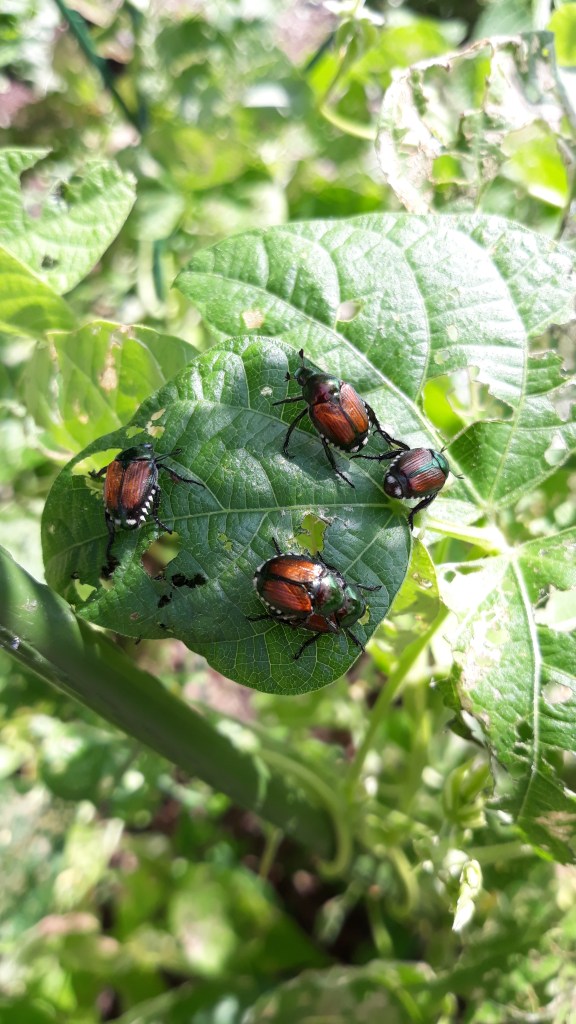
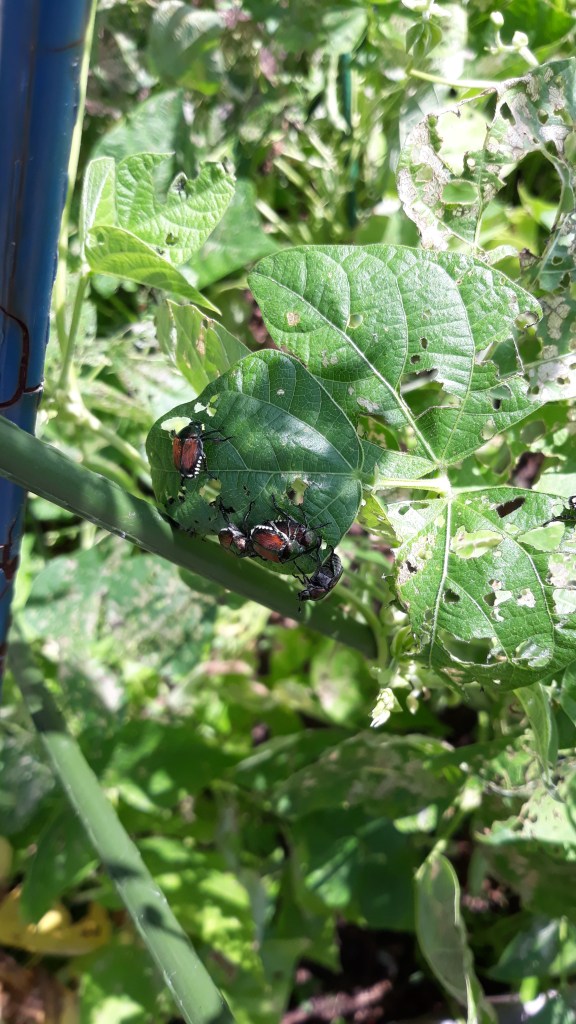
Four japanese beetles on bean leaf

Learning #3:  Japanese beetles are no joke.  For about 2-3 weeks I was going out to my bean plants every few days and picking at least a 2 pounds of green beans.  I was noticing that the leaves were getting eaten but being the novice that I am, I wasn’t sure how much of that was par for the course.  I know there are going to be bugs and I’m pretty sure I don’t want to use any chemicals on the fruits and veggies that I grow, so I understand there will be some food sharing.  But dang! These beetles are greedy and destructive. One afternoon, I finally said wait a minute and while I was picking the beans I paid better attention to any bugs I could see.  And guess who was all up in my face, not even trying to be slick about their thievery? These guys! So I quickly googled and learned these are Japanese beetles, they are quite a nuisance, and there are a couple remedies to fight back.  The approach I chose was to knock them off the plants into a bucket of water, kind of like this guy from the Maine Co-op Extension.  That isn’t a long-term solution so I may look into some sort of spray or insecticidal soap next year but for now it’s all learning.  

Japanese beetles on bean leaf

That’s one of the main reasons I am trying to write as much of this stuff down.  I have no gardening experience whatsoever and it will take many years for me to get the hang of this stuff.  And if I try to rely on memory – FOR-GET-IT!!!

Berry Fest

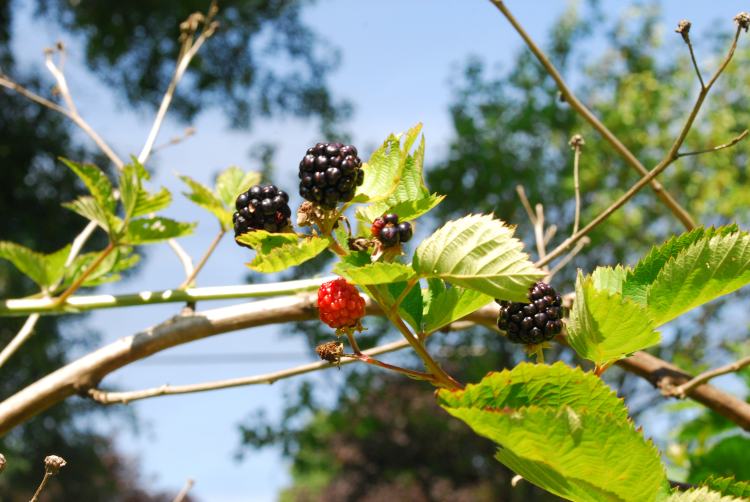
Three big juicy blackberries on Farm Charm

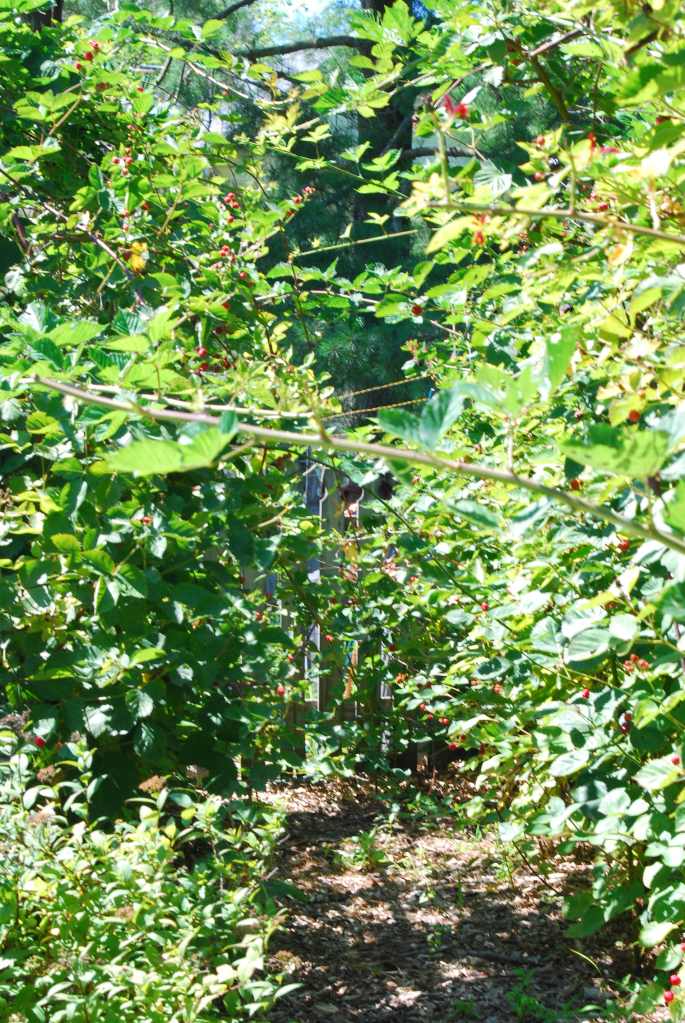
We have begun to reap quite a bounty of berries.  The previous owners of our property had a sizable berry establishment going.  There are a couple of massive blackberry bushes growing in one spot and then a tunnel of blackberry bushes; an entire forest of black raspberry bushes; and maybe three or four blueberry bushes. I also planted four strawberry plants but you may recall I had an issue with bunnies eating them.

The blackberry bush tunnel on Farm Charm
The blackberry bush tunnel

As someone who is brand new to growing food, I am still learning how much effort and time is needed.  With regard to the berry bushes (and they are pretty hands off), should I be checking on them every day, every other day or is twice a week sufficient?  I am a schedule person and like knowing what I need to do each day. I’m sure it is my life’s lesson to realize that it’s not about checking things off, it’s about enjoying the process, but we can save that philosophizing for another day.

The outside of the blackberry bush tunnel on Farm Charm
The blackberry bush tunnel from the outside

I’m also asking because I had a disappointing experience with the blueberries just a few days ago and wondering whether it could have been prevented had I been more vigilant.   I was watching them for about two weeks. The berries started small and green, then turned to grayish purple, then a light blue, and then a nice rich dark blue. On Friday evening, I could see that they were all getting very close to perfection and I wanted to wait one more day so they could be as juicy and plump as possible.  And then, for whatever reason, I didn’t do the picking on Saturday like I should have and when I went out Sunday morning, they were ALL GONE!  

The single blueberry that the deer left behind on Farm Charm
The lone blueberry that the deer left

I know the deer ate them, those punks!  We have an electric fence around the garden but I haven’t turned it on.  Up to this point it didn’t appear that the deer had been noshing on our fruit bushes.  But they must have been watching me watch the blueberries and picked the most opportune time to make their move.  Grrrrrr! 

So to my question about frequency.  Could I have prevented this by checking the berries on Saturday?  Maybe. To be on top of things, I should probably be checking on the things that are getting close to ripe every day during harvest season but I just know that isn’t going to be entirely realistic.  But the berries are worth it.

Three big juicy blackberries on Farm Charm

One morning I went out and collected about 6 cups of blackberries in about 10 minutes. 

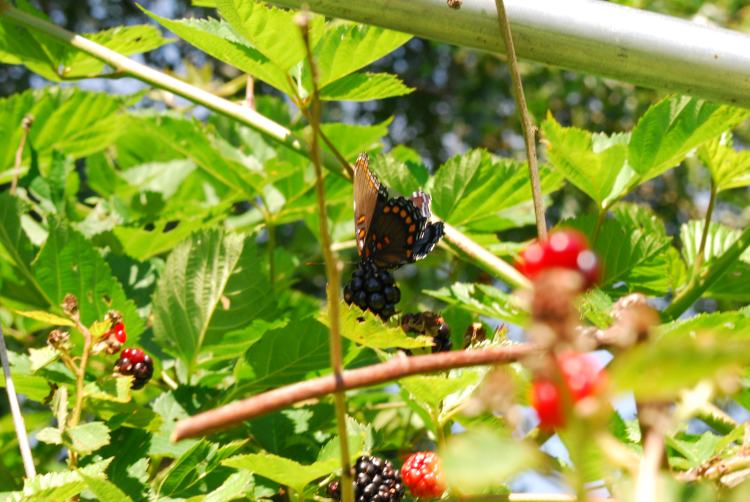
Swallowtail butterfly enjoying the Farm Charm blackberries

I have been reading up on canning from various other bloggers (Preparedness Mama and The Organic Prepper), and on this National Center for Home Food Preservation.  I’ll share how I made two cans of blackberry jam in about 45 minutes soon.

Berries upon berries at Farm Charm

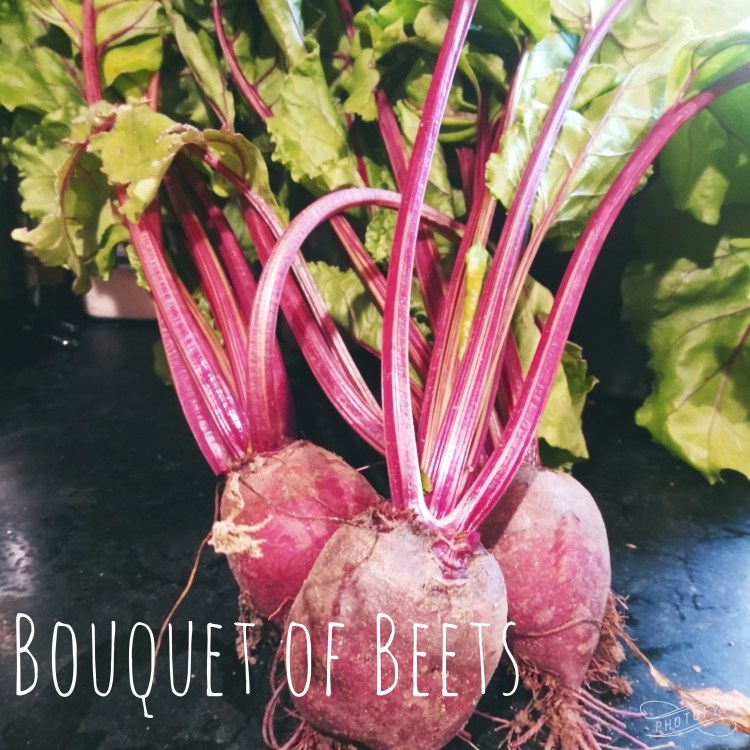
Bouquet of Beets

Three juicy, purple beets ripe from the Farm Charm Garden

We are a beet family.  I didn’t eat them growing up, but some while ago I read they were good for making your blood stronger in Eat Right 4 Your Type.  What exactly was meant by ‘stronger’ I don’t remember, but I’m a sucker for health claims.  You could tell me that eating caterpillars covered in hot sauce is good for your skin and I would likely try it.  

So I started buying canned beets at the grocery store.  Please, before you spend time sending me hate mail about how inferior canned beets are to fresh, I know and I get it.  But I’m not a foodie. For me, food is mostly functional. Rarely do I sit to enjoy a meal for the crisp crunchiness, amazing aromas or titillating textures.  I just need to get the calories and nutrients in and be on my way. My kids eat canned beets (they look like little vampires with the juices running down their faces).  I throw them on salads, sandwiches and burgers. Sidenote: ever had an Australian burger? With a fried egg, ring of pineapple and sliced beets? Sooo yummy <says the girl who just said she wasn’t a foodie>.  Cactus even makes beet salad. So the decision to try to grow beets was just a “Sure, let’s give that a try.”  

Three juicy, purple beets ripe from the Farm Charm Garden
Three of the first beautiful beets from the Farm Charm garden

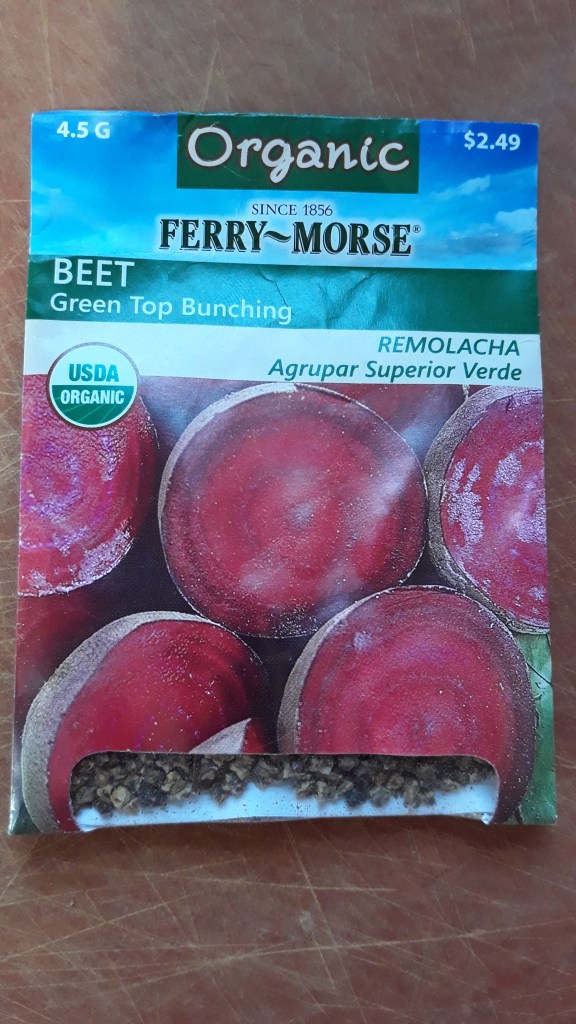
I planted beets back on April 1st.  I seeded them directly into the soil which I think is what the packet said to do. A mere 2.5 months later, these are just three of the amazing purple hearted beauties I plucked from the garden.  They were likely ready for harvest two weeks ago but I kept waiting and waiting to see how much of the bulb would continue to push itself out of the soil.  I think I didn’t plant them deep enough. Needless to say though, I am very happy with the result and still have about ten more plants I will harvest in the next couple weeks.

The Ferry Morse beet seeds I started with back on April 1. I would buy these again.
The package of beet seeds I bought at Lowe’s for the Farm Charm garden

I’ll be honest, beets were one of the vegetables whose success I was least invested in.  Sorry beets, love you boo! I was way more interested in lettuce, tomatoes, peppers and squash because we eat those nearly every day.  And, per above, canned beets really don’t bother me.  

Perhaps it was that lack of love that made my beets say “I’ll show you.  We’re gonna be the best darn beet crop you ever saw.” And they are.

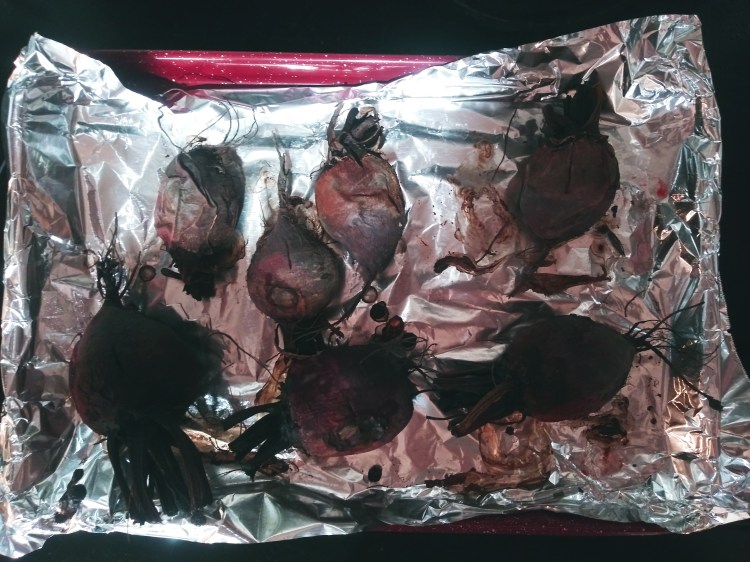
Seven roasted beets ready to be made into a tasty salad
The Farm Charm first beet harvest after roasting

Next step was roasting them for 20-30 minutes at 350 degrees and then removing the skins. Tip: I covered a pan with aluminum foil and sprayed it with cooking spray to prevent sticking and have minimal clean up. In the past I’ve also wrapped each beet individually and put a bit of olive oil in each package. If you wrap each one separately, definitely still put them on a pan and not directly on the oven rack. Similar to sweet potatoes, I believe some beet juice can drip and then you’ll have a mess to clean up in your oven.

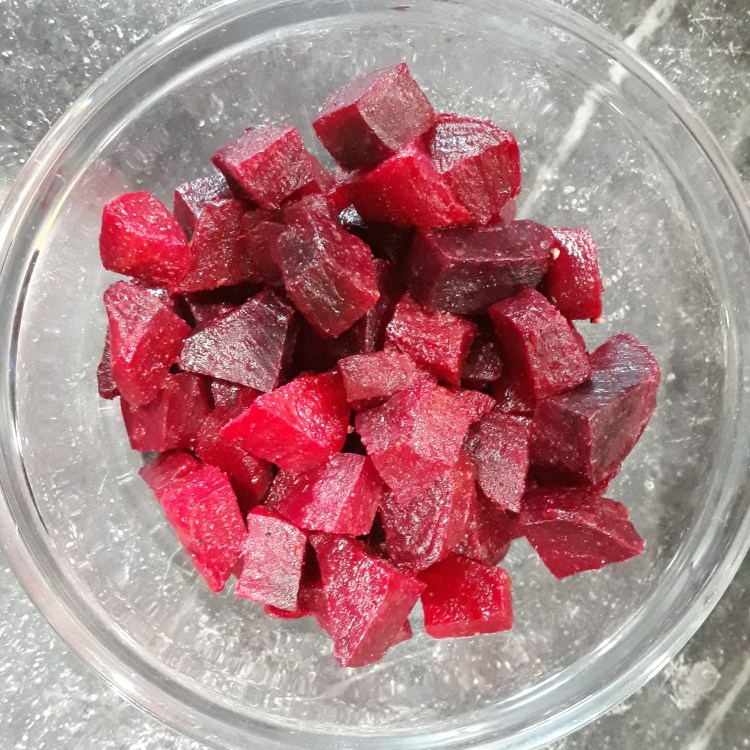
I’ll make a beet salad and/or serve them with goat cheese.  They are also great on a bed of arugula with chunks of goat cheese and a sprinkle of toasted pine nuts with a balsamic vinaigrette.

Farm Charm beet salad - nature's edible rubies
Farm Charm beet salad

Final thought:  are beets always plural?  Can I say I ate a beet for dinner?  Can you add a beet to my sandwich? Sounds wrong.