A Garden Calendar that Gives Room to Breathe

As another growing season approaches, I wanted to step back and think about the rhythm and timing of my plantings. For me, having a plan is essential so that I don’t get overwhelmed. But I don’t really want to live my gardening life according to a highly complex excel spreadsheet with tons of equations.

This year, I am not going to expand my vegetable garden and want to keep it pretty similar to what I did last year with a few tweaks. However, I am planning to really give a big push to flower growing thus I want the vegetables to be relatively simple.

I don’t know about you, but the whole “start this 8-10 weeks before your last frost” feels a little too abstract.  I’d rather work with the natural demarcations in the calendar year that signal, “Oh, it’s Spring solstice, time to… [insert task here].”  In the three short years I’ve been gardening, I’ve already grown to love these little tricks because Lord knows my memory is not superb.

Here are the broad strokes and signals that work for me in the Mid-Atlantic and maybe they’ll be helpful to you.

Valentine’s Day (or a weekend thereabout) is when I start peppers indoors.  Think spicy romance!

St Patty’s Day is the time to start tomatoes seedlings. 

Depending on when Easter falls, that’s usually the time to get my spring garden planted with the cold hardy crops – beets, carrots, kale, lettuces, onions and peas.

Then there’s Memorial Day to seed the summer garden and transplant the tomatoes and peppers that I started indoors.

4th of July is a good time to start your fall seedlings indoors, like broccoli, cauliflower and brussels sprouts.

Labor Day, in addition to being the end of my energy and enthusiasm, is when I start letting my beds rest a bit. Just some lettuces, radishes, beets and transplanting the brassicas I started indoors.


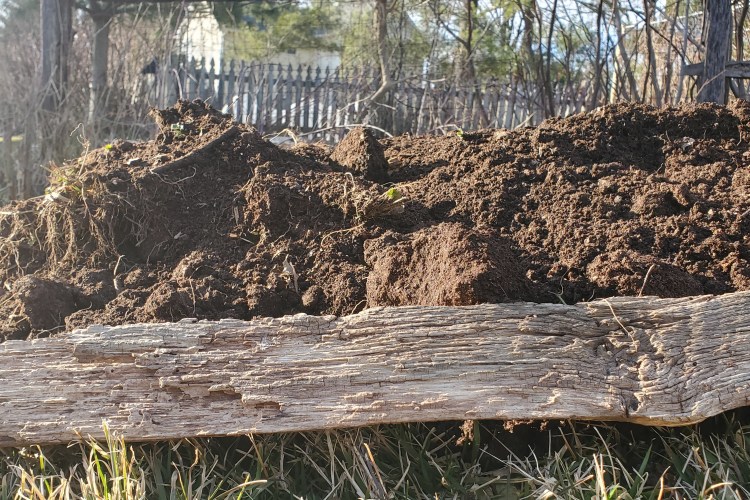
Halloween is usually the turning point from enjoyable Fall weather with sunny days to colder, gray days with rain and wind.  Halloween is my signal to go buy some manure from the horse rescue that’s nearby to amend my garden and start putting everything to rest.

Thanksgiving to Christmas is the time to be thumbing through seed catalogues and singing “my favorite things” as I pick out seeds for next year’s garden.
onions on my mind

I don’t know about you but February is fierce. Maybe it’s the length of time we’ve been living in isolation plus the combination of cold/snowy/icy/gray weather that we keep getting, but I’m getting restless. I can feel that we are on the brink of a new season and rhythm and the anticipation is making me excited. But the lesson I am always trying to learn in life is to enjoy what’s in front of me. Not try to rush to the next chapter.

For this reason, February feels like the perfect month to hibernate. It’s only four weeks. It may be the last chance to justifiably stay inside all weekend before longer days and nicer weather arrive. So, in that vein I’ve been working on my garden plan, getting more detailed with when I’m going to seed start and sow each crop, when I’ll harvest, and what I’ll plant next. As mentioned in the cool/warm post, I’m trying to get the most out of my space by rotating through three cycles: Spring (cool) –> Summer (warm) –> Fall (cool). This isn’t something I’ve done before and probably would have been overwhelmed by last year but I’m stepping up my game due to the increased ‘at home’ time the pandemic has afforded. When life gives you lemons… right.

The first thing I needed to seed start is onions. Last year I used onion sets so this is an experiment. I will likely do onion sets in March also but figured why not get my shelves and lights set up in February so I am ready to go when I need to start tomatoes and peppers in March.

Here’s what I did nice and simple –

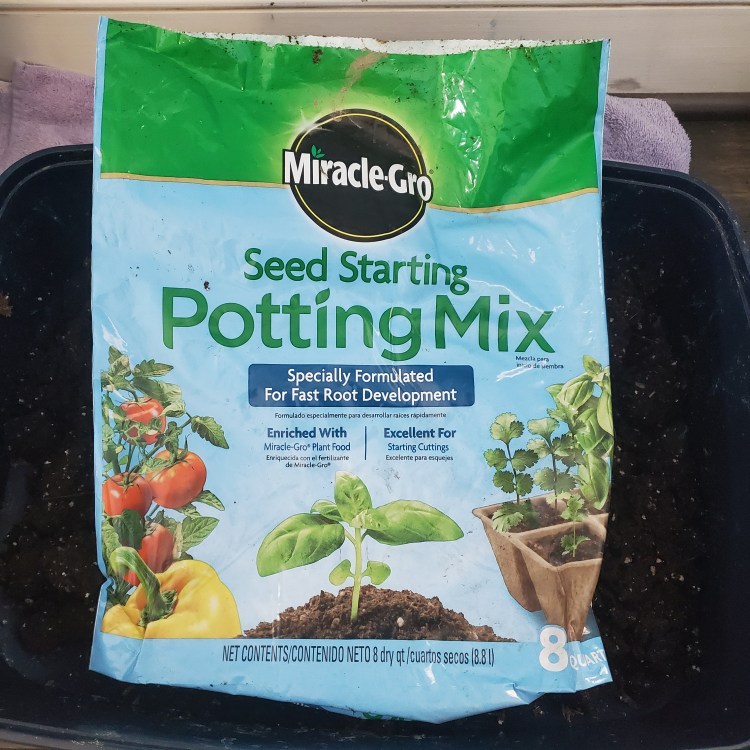
  1. I bought two 8-quart bags of MiracleGro seed starting mix for $4.99 each (egads! Sacreligious, I know but let me explain). I’m going to use this for half of my seed starts and a regular mix from Fox Farms to see what the difference is. Since I want my garden to be 100% non-GMO and pesticide free, this shouldn’t matter because seed starting mix should be devoid of organisms anyway.
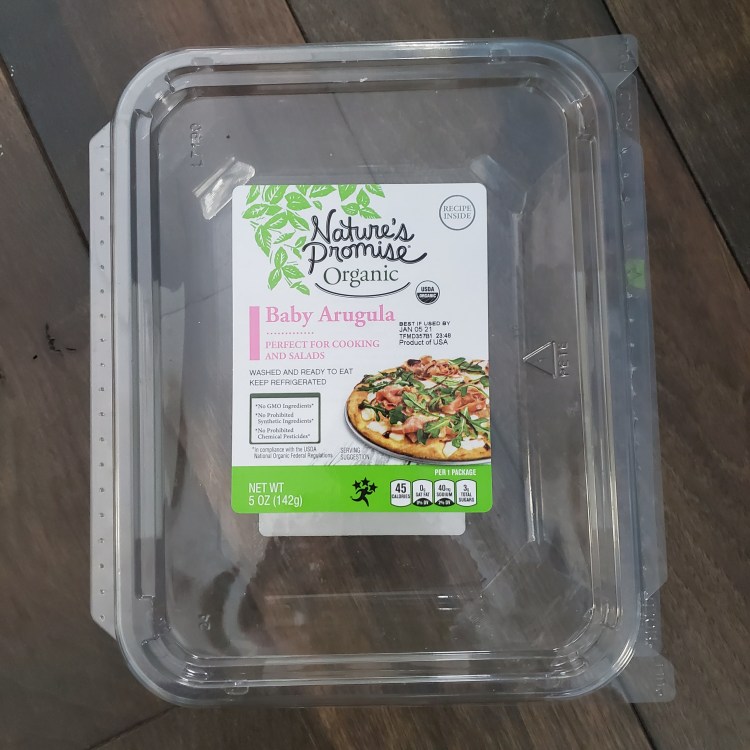
  2. Filled my 5 oz arugula clamshell with about 2 inches of potting mix.
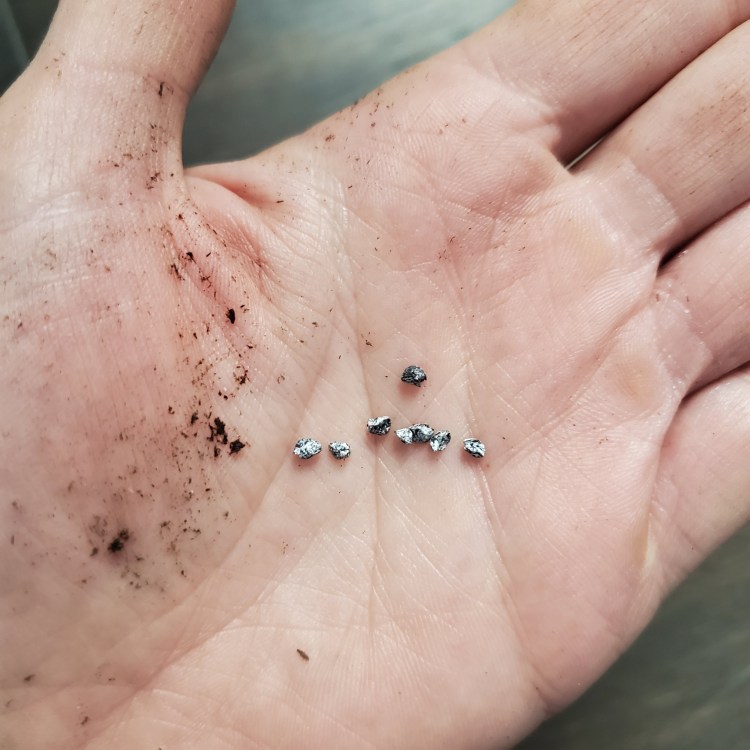
  3. Spaced about 25 Gladstone onion seeds on top of the potting mix.
  4. Sprinkled aboutanother cup of potting mix on top of the seeds.
  5. I misted the potting mix with a little sprayer and then closed the lid so it would stay warm and become like a greenhouse inside.

The seeds should germinate in 7-10 days but I’ve also read to just leave them alone and keep the soil moist and they’ll germinate when the time is right.

What are you seed starting in February? Next on my list are hot peppers and cauliflower.

Let’s get the Seed Party Started

I don’t know about you, but the cold temps of January make me nostalgic for warmer weather. I love experiencing all the seasons and I think that’s the point – there are things I love about each season and things that make me say “I can’t wait for this to be over.” Like right now I am bundling up in four shirts, two pairs of socks, a two layer coat, hat and gloves and I’m still frozen in about three minutes outside.

Being the planner that I am, I get really excited brainstorming about what I’m going to grow and try in my garden. I’ve been reading books (loved this one) and blogs for ideas, watching youTube channels (check out this guy) and reviewing our local Extension Office resources for different tips.

There are some different strategies I’m going to use this year that I’ll share soon, but one of the first things I did differently as I was starting to look through seed catalogues was categorizing each item as cool or warm weather in terms of when I’ll be harvesting. I realize this doesn’t pertain to all growing zones, but it helped me in ensuring I’m not going to overwhelm myself each season. Thinking about it this way, also helps me see how I will succession plant.

Try this-

  1. To start, make a list of all the veggies you/your family likes to eat. Why grow something you don’t like to eat?
  2. Next, refer to your local extension office website for recommended sowing dates. I love this chart but it is specific to my zone 7a. From this chart, I then put each veggie in the appropriate column.  Check this out –
CoolWarm
ArugulaBeans (bush and pole)
AsparagusCucumbers
BeetsOkra
BroccoliPepper
Brussels (fall only)Summer Squash
Carrots (spring only)Tomatoes
CauliflowerWinter Squash
Collards 
Kale 
Lettuce (plant in the shade during warmer months)
Onions 
Peas 
Spinach 
  • Then I got out my calendar and started figuring out the seed start and direct sow dates. I’ve made about four spreadsheets and tables so I think I’ve gone too far but I am confident I’ll land upon one chart that works for me to just slightly tweak each year.

I know this sounds like a lot of work but START SMALL. Just two years ago I started with only about five crops – tomatoes, peppers, lettuce, kale and beets.  Last year I added a few more, and this year a few more. Each season you’ll get better at a few things and feel confident dabbling in some other areas. The worst that can happen is you have to go to the store and buy it instead of eat it from your own garden. 

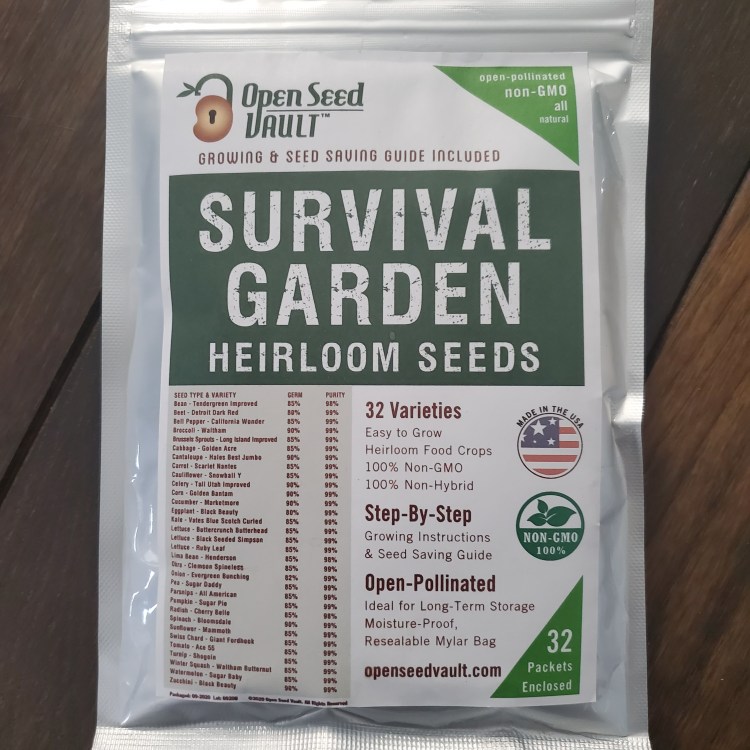
If you haven’t picked out and ordered seeds yet, I would do that ASAP (see my post about the companies I’ve ordered from and like). With COVID-19 continuing to impact our lives for an unforeseen amount of time, many more people are gardening which is great. But due to shortages, travel restrictions, and other impacts of coronavirus, not all seeds are being stocked as abundantly. Don’t freak out – that is not my point.  And if you are looking for just a one size fits all option, check out the coolest gift my brother gave me for Christmas.

Keeping Busy, Staying Sane

Well this is not how I pictured April panning out.  I’m not one to plan out my life weeks in advance, but not leaving my house for four weeks straight was certainly not my ideal scenario, or yours I’m guessing.  Regardless, I hope you are healthy and safe wherever you are.  I hope you have food to eat and loved ones to check in with.  As many negatives as this situation is presenting, there are definitely some significant positives.  However, I’m not about to sugar coat it.  Lots of ups and downs in our household.  Thankfully more ups.  I don’t have any answers or solutions but I can say Cactus and I do infinitely better on the days when we each get an hour of ‘me’ time.  Preferably outside, with some fresh air, doing something active.  It clears my head, helps me slow down the thoughts that were starting to go on over drive, and gives me the mental re-boot to make the rest of the day more enjoyable.

Besides checking the calendar to remind myself what day it is, here’s what I’ve been up.

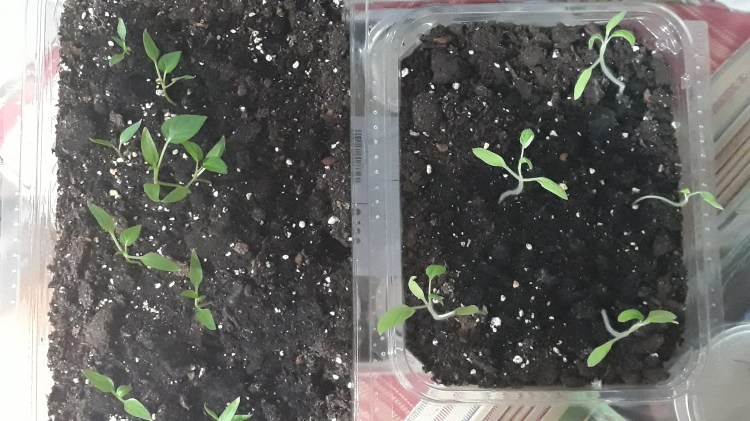
Nursing my seedlings. I’d say about 50% of my seedlings are going strong.  The peppers are on fire.  A bunch of my tomatoes and peas fizzled out and I think I’m to blame. I put them out on a really warm day for some fresh air and I think it shocked them.  If you are approaching your last frost date, be sure you do the hardening off gradually.  Like 2 hours one day, then 3 hours, then 5 hours, then 6 hours, etc.  It takes a little more attention but it’s worth it to not kill the plants you were just babying for the last 8 weeks.

Pepper and tomato seedlings that are strong healthy
8 week old pepper (left) and tomato (right) seedlings doing just fine…
Pea, pepper and tomato seedlings that are struggling
8 week old pepper (top) and pea (bottom) seedlings doing less than fine (there was not that much space between them – I’ve lost about 10 plants).

Planted my cool crops.  I sowed my kale, onions, carrots, beets, cauliflower and broccoli directly in the ground in the beginning of April.  Last year, I didn’t attempt a Spring garden so I’m curious to see if they take hold.  I had a great kale and beet harvest, but I did them in the Summer just a single time with no succession planting for the Fall.  I’m hoping that my rotation and all the manure and compost I’ve added make a difference.  Even though I have read about 100 times that soil testing is a must, I have not yet done it.  I am promising myself I will do it at the end of the season this year so I can amend as needed for next year.

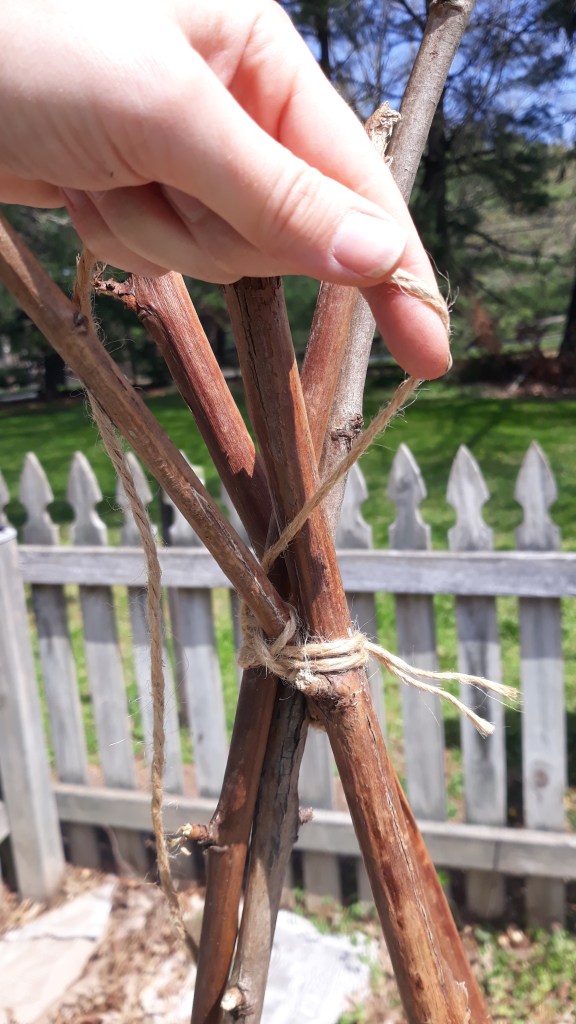
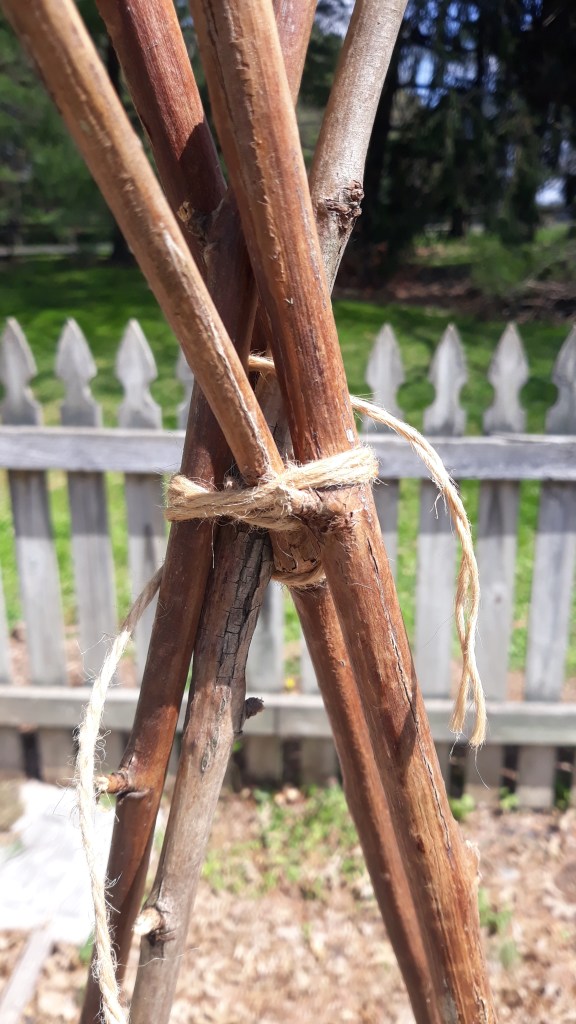
Homemade teepee trellis. I experimented making a teepee trellis with some old blackberry canes.  I’m not sure how sturdy this will be.  I really want to use bamboo and I see walls of bamboo in yards when I drive around town, but I haven’t had the courage to knock on someone’s door and ask “Can I cut a few of your bamboo stalks?”

Blackberry canes lying on the ground
Some blackberry canes that I pruned for a potential teepee.
Four blackberry canes standing up to be secured as a teepee trellis
Four blackberry canes standing up for a teepee trellis.
Teepee trellis made out of four blackberry canes
Securing the four blackberry canes with twine.
Teepee trellis made out of four blackberry canes
Blackberry cane teepee trellis secured – wahoo!

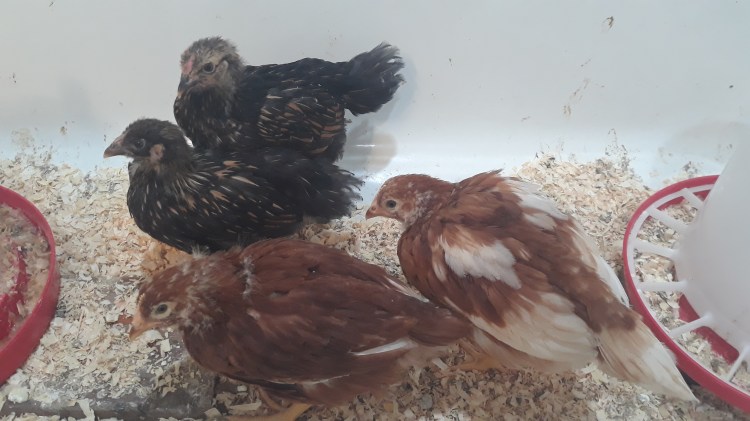
Chick wrangling. Our four chicks (2 Isa Browns and 2 Gold Leaf Wyandottes) are alive and well in the bathtub.  They are getting pretty big and almost all of their fluffy down is gone so we’ll be ready to take them out and introduce them to the rest of the flock in the next two weeks I think.  I’m a little disheartened that two appear to be roosters.  I could be wrong *fingers crossed*.

One month old 2 Isa Brown and 2 Gold Leaf Wyandottes chicks in white bath tub
Look at the comb coming in so strong on the dark one in the back – grrrrr. You better not be a rooster!