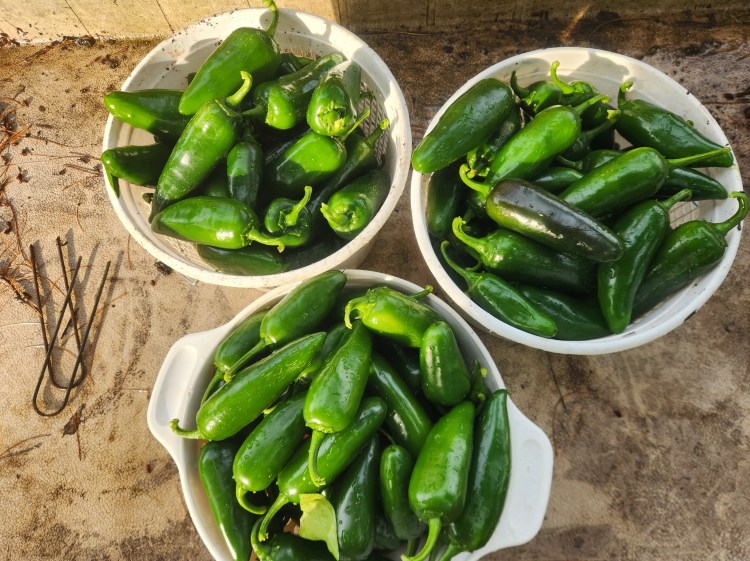
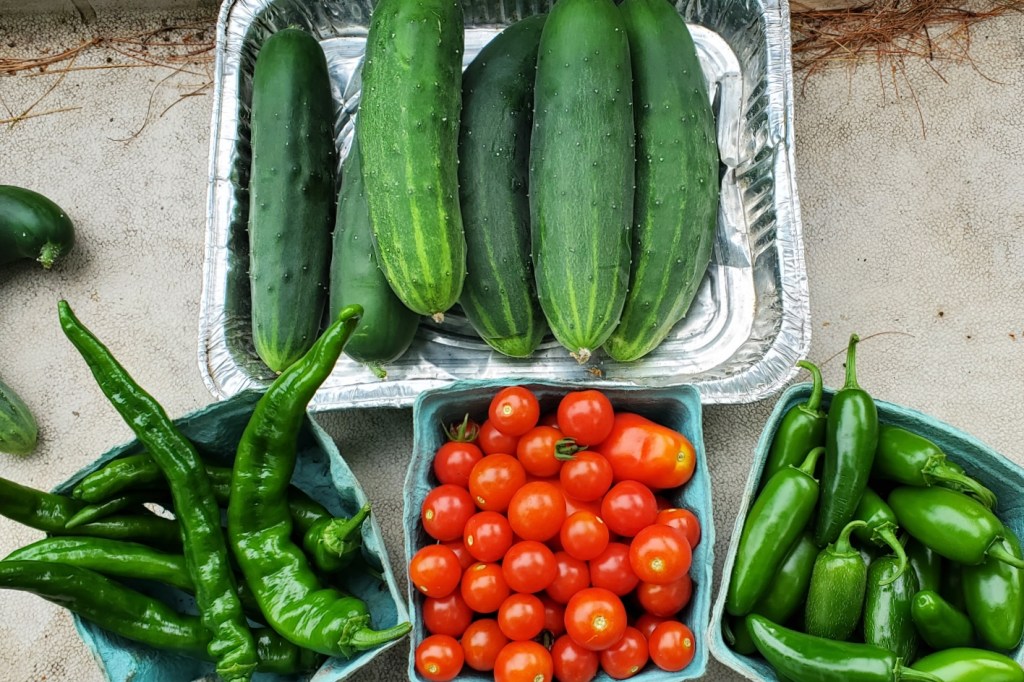
In my world, July stands for Jalapenos. And that means it’s time to Cowboy Up! Alright, hear me out before you say “I don’t like spicy foods.” I get it, you don’t need a lot of jalapenos. This is a situation where a little goes a long way.
But Jalapenos are quite versatile. I throw them on tacos, of course. Nachos and quesadillas. In my scrambled eggs with black beans and avocado. Add them to soup. Stuff them with cream cheese and roast them for a fun appetizer. We also make shakshuka for vegetarian dinners with a fresh country bread.
If you’re intimidated to try Jalapenos, start with them really thinly sliced on the diagonal. I don’t know why but they seem less potent that way.
And if you’re like me, you will become totally obsessed with Cowboy Candy. It will become your go to Friday evening munchie with your favorite adult beverage to kick off the weekend.
Planting my dahlia tubers was an exciting moment. I delayed it about a week longer simply because I wanted to do some more reading and be sure I wasn’t going to make any preventable mistakes.
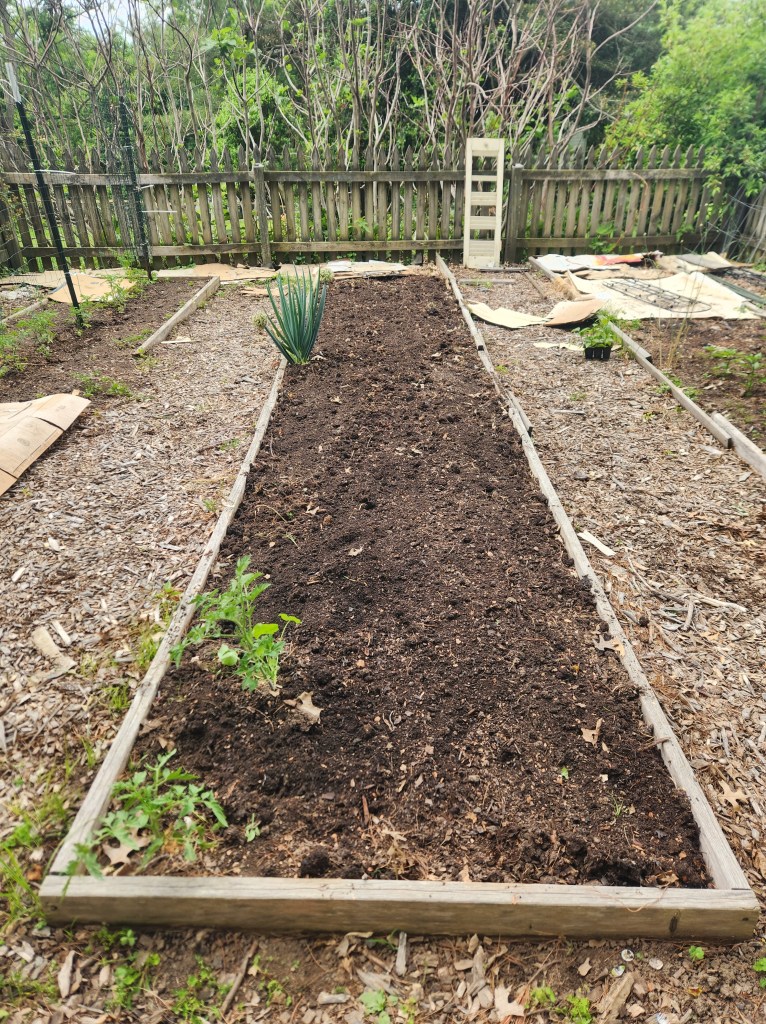
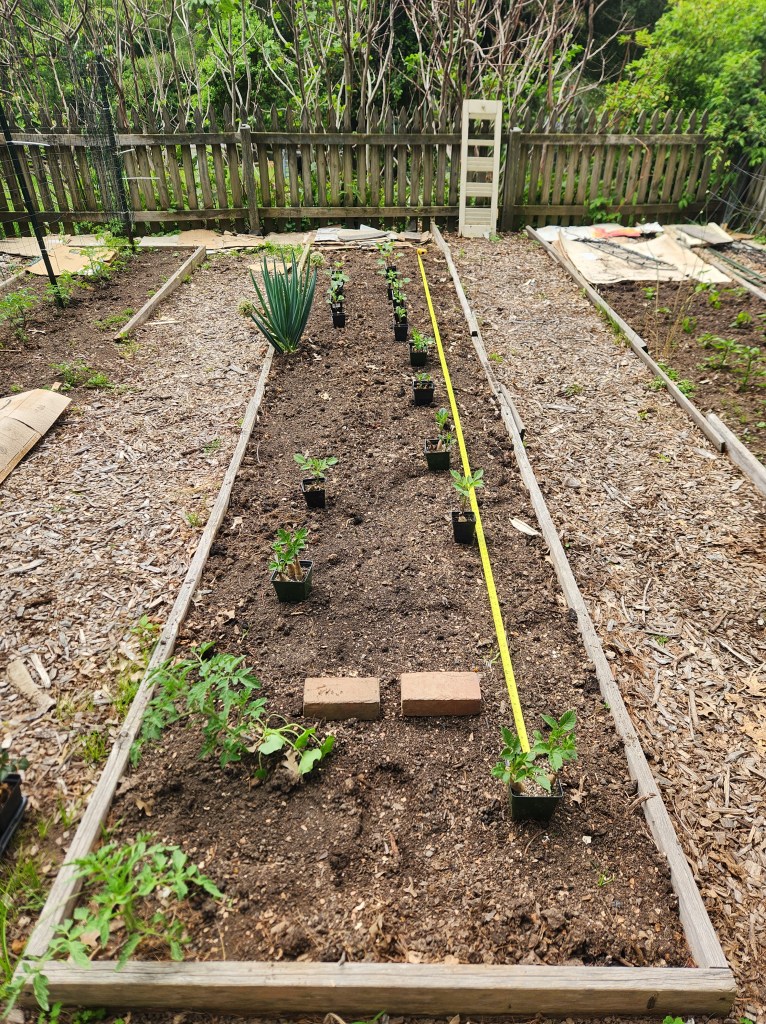
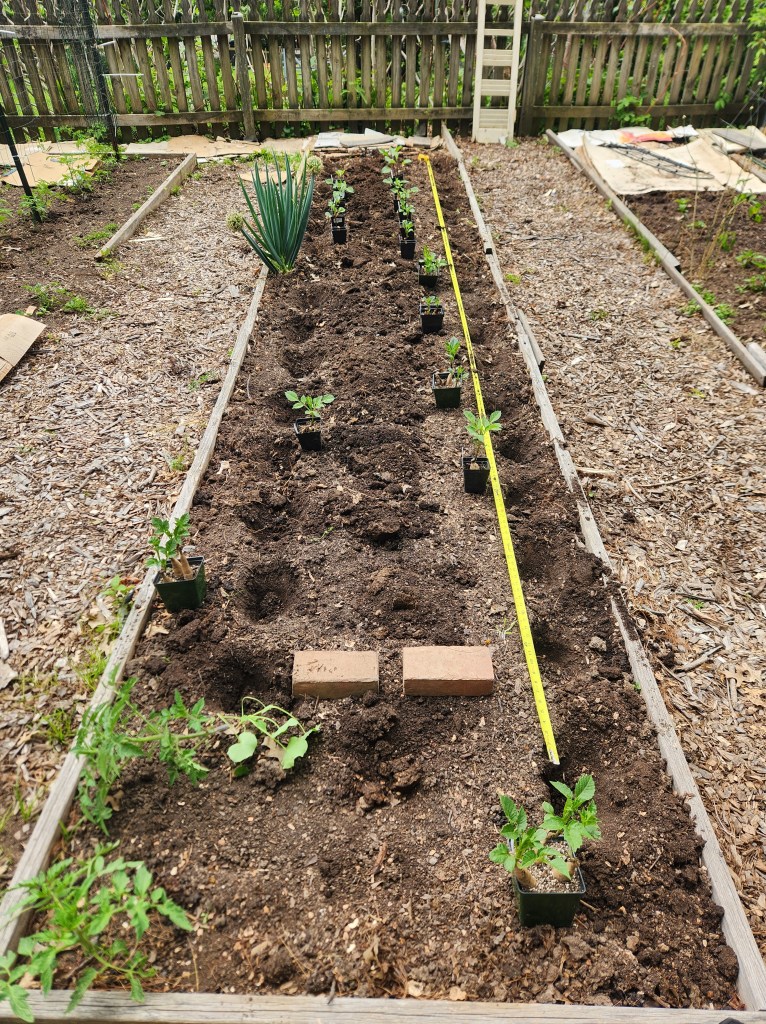
The two biggest considerations with planting are spacing and depth. Spacing matters for all plants so that they aren’t competing for sun, moisture, and nutrients if planted too close together or the flip side that they are so far apart you didn’t maximize your space. Spacing is also important in terms of being able to install the right supports and staking to keep the plants upright. Dahlias should be 12” apart with 18” between rows. Because I planted them too close together last year, I literally laid out my tape measure and got to work.
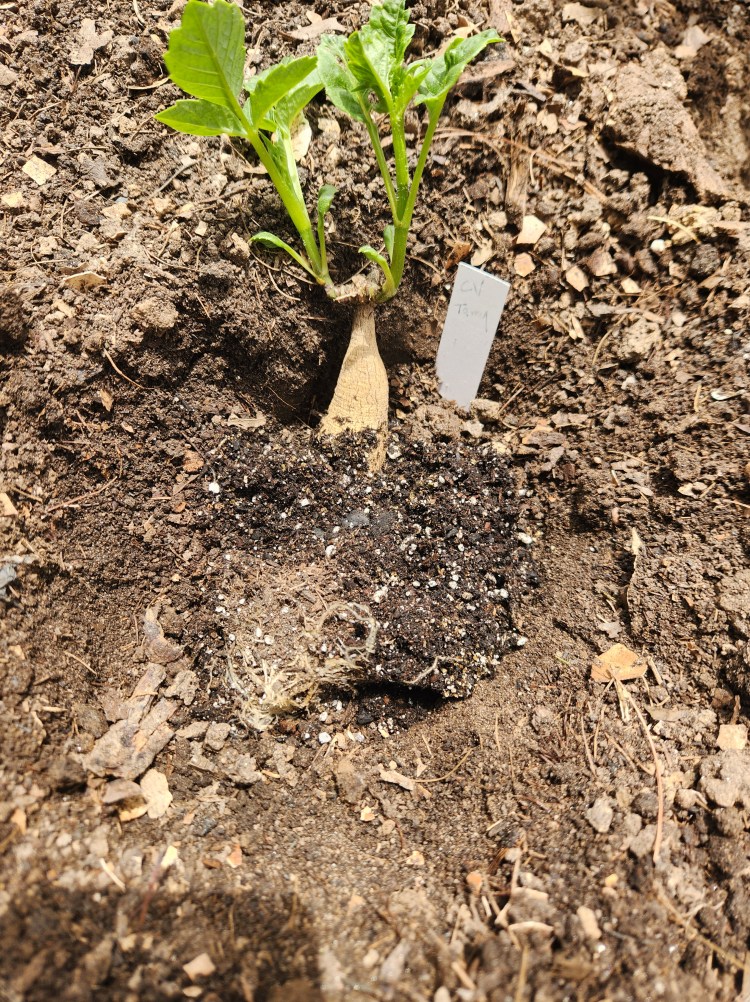
For depth, they should be planted 4-6” down. I would say this varies based on the size of the tuber, where the eye is, how long the neck is, and whether it’s already sprouted. I lay mine flat or at about a 45° angle in the hole so they can sort of rest in a cradle. The main idea is just for them to NOT be vertical and for the eye to be facing upward because that is the direction it will grow.
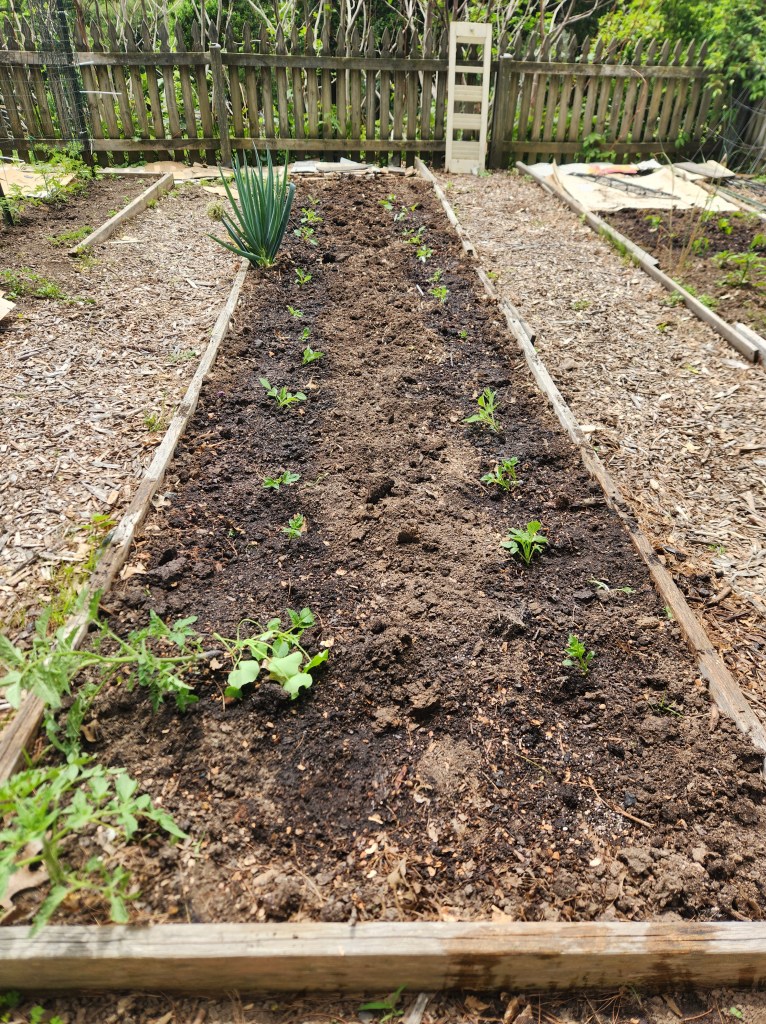
I dug my 34 holes in a zig zag pattern so that each plant isn’t directly across from another. Because I had labeled my tubers to the best of my ability (thought still managed to have four I could not identify), I attempted to plant them in an ombre fade from white to deep scarlet (listed below) but we’ll see if that actually pans out. That was the suggestion of my lovely Master Gardener friend.
CV Tamy (6)
Coral (2)
Colorado Classic (3)
Sonic Bloom (3)
Ivanetti (3)
HH Black (4)
Deep Red (3)
Wildcard??? (4)
Bishops Children (5)
Once I got them all in the ground, I watered them in well. Like any plant, the first few days are really important for strong watering so the plant isn’t stressed and consistent watering thereafter. Next, I’ll be installing my drip irrigation in all three beds.
I turned the big 4-0 recently. Not sure how others feel about this milestone but it’s been surrounded with many mixed feelings that I won’t go into now. Little to do with the actual number and more with all the other reckonings I’m facing down that I didn’t think I would be dealing with at this age. Alas, it was a reason to gather people together, throw a party, sing some karaoke, and drink some drinks. Have the laughs I haven’t had in quite some time. To forget about the darkness of life. The questions life’s experiences pose without proffering an answer or explanation.
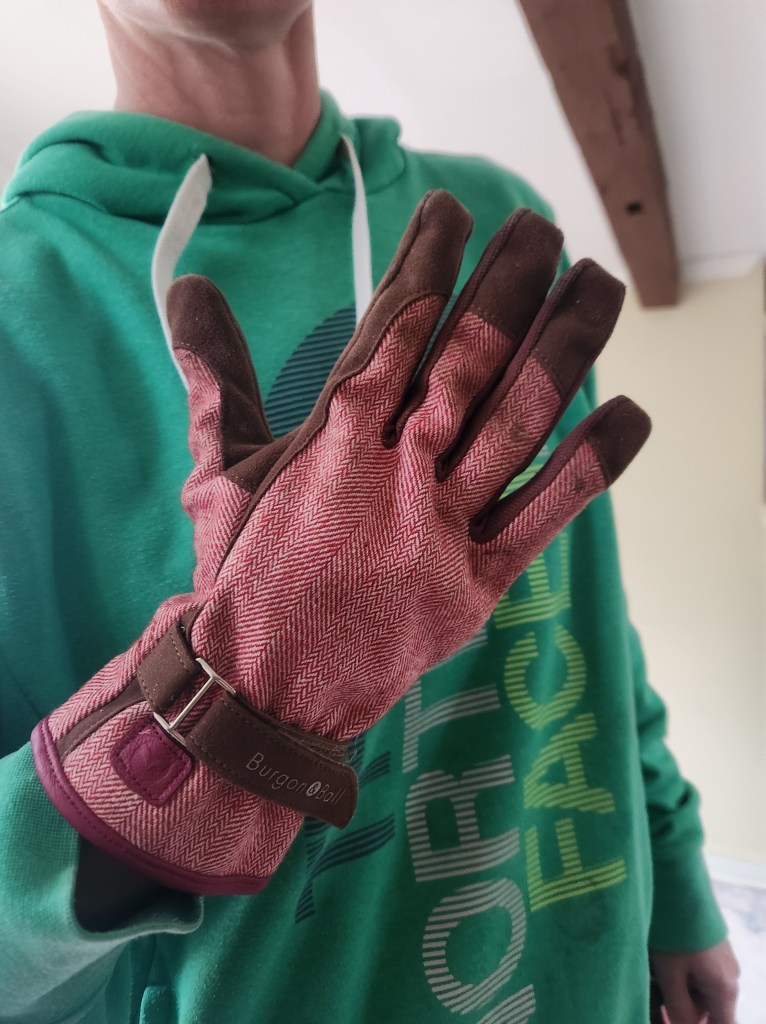
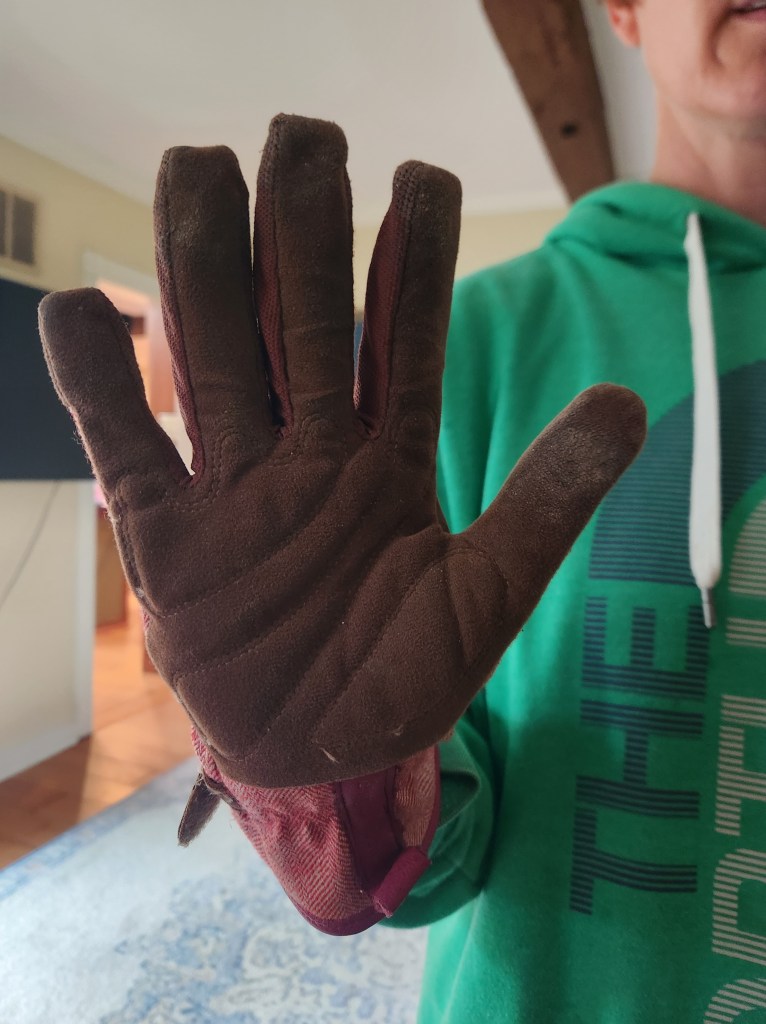
It was a fun night and people brought gifts. Yay! I didn’t ask them to, but they did. My request was “bring your singing voice.” I was serendipitously gifted a seed storage tin to go with this pair of Red Tweed Burgon and Ball gloves I received from my boss. Among countless positive things I can say about her, one of her many remarkable talents is gift giving. Either she is addicted to shopping – possible! – or she simply has a knack for distilling someone’s interests down to the essential ingredients and then has very specific ideas in mind when she peruses whatever shopping outlet she chooses.
I’ve been using the gloves for over a month (I’m irked by people who write a review the day they get something) and have these notes on their quality and functionality.
Great overall! I have not yet encountered a feature about them I don’t like.
Love the fabric on the back and leather on the palm. Looks nice on the outside and camouflages the dirt. Kind of like a mullet – business in the front, party in the back. The stitching is also good quality.
They dry really quickly. When I’m weeding in wet or damp soil, I usually feel like gloves stay wet the whole time. Not these. The moisture doesn’t really get through unless I accidentally spray myself with a hose. Which also means my hands don’t smell when I take them off.
Wrist adjusters – amazing! Keeps debris out very well.
Not so bulky that you can’t shove them in your back pocket or belt when you need to take them off for a minute.
My hands feel clean when I take them off. There isn’t a residue of dirt on my fingers or under my nails like other garden gloves.
Harvest time should be in full swing for most of us. I’ve got tons of tomatoes, piles of peppers, bunches of beans, okra, onions and cucumbers. Everything feels a bit delayed this year and I’m not sure if I did everything a couple weeks later or if the weather has just been unusual.
I’ll be honest in saying that August tends to be a bit rough for me. The weather is sweltering. Mosquitoes are everywhere. My motivation is lacking. And my energy just isn’t where it was back in May.
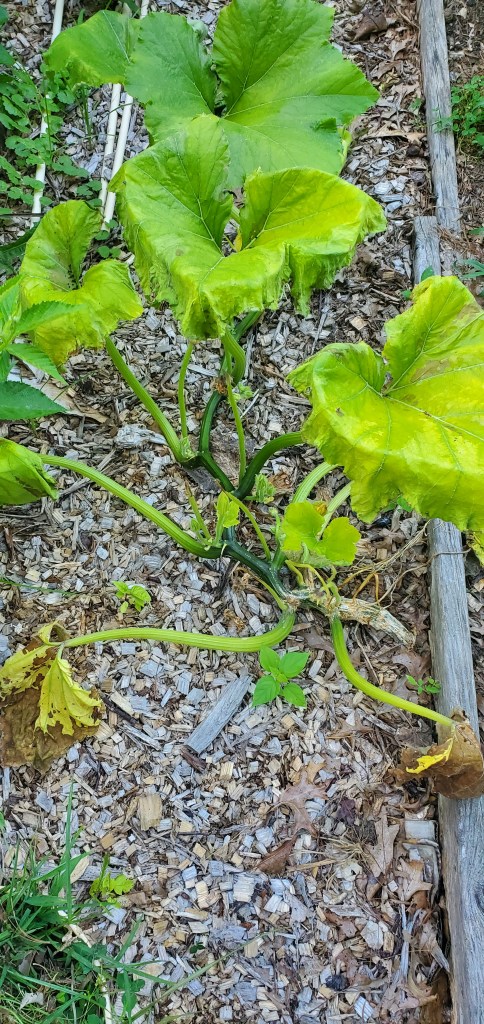
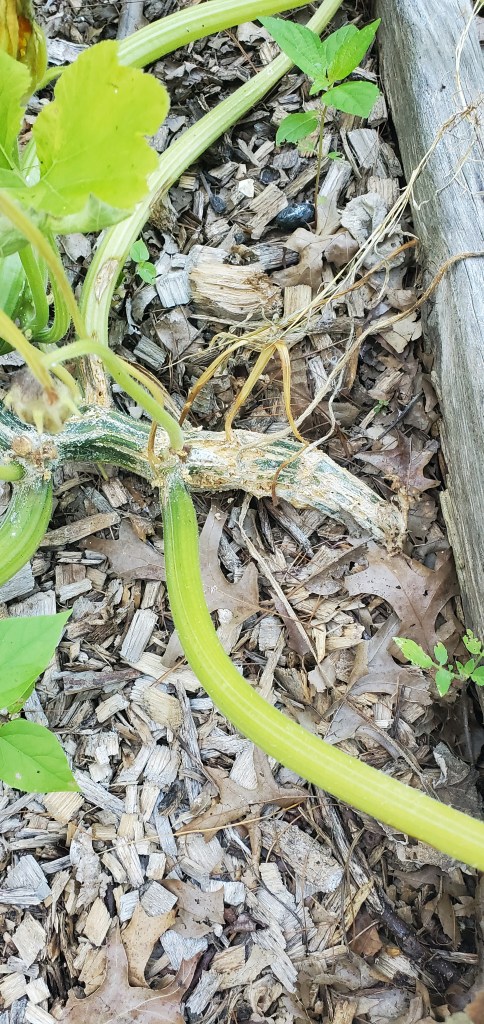
One thing that hasn’t changed is my battle with the squash vine borer. For the third year in a row, I have gotten precisely 1 zucchini before I walk out to the garden and see a sad, wilted plant, falling over and whispering “help me!” But it’s always too late. The damage has been done. It’s so frustrating!
This year I thought I was doing so well, dusting with DE around the base of the stem every 4-5 days or so and watching for signs of pests. Then Ka-POW! Could I have done more to prevent this?
I’m wondering from other more experienced gardeners when you decide a certain crop just isn’t in the cards for you or your climate? The irony is that I don’t even love zucchini. But at this point it’s become a battle of wills and I refuse to lose.
Here in the Mid-Atlantic, May is “Go Time” for gardeners. [Please get a mental image of the Grinch doing his workout to steal Christmas.] Our last spring frost #LSF is usually around April 20 or thereabouts but I like to use May 1 for ease in calculating start dates.
May is the month. This is when all the preparation and care of the last 2-3 months gets to become real.
Here is a general to do list to work on throughout the month so that you are set up for gardening success all summer long. Take your time. It doesn’t all have to be done in one day or weekend. And you will undoubtedly need to modify and re-touch things as the summer goes on.
Preparation
Weed your pathways and beds if you haven’t already. This takes regular upkeep but you want to minimize it as much as possible
Put down cardboard and a 3-5” layer of woodchips on all your paths to reduce weeds. Most places have free chip drops from nearby arborists.
Prep your beds with a fresh layer of compost and manure if you can. Craigslist is a great place to get cheep manure from a local horse farm.
Plantings
Harden off your seedlings by gradually exposing them to the great outdoors over a week. Just do a few hours the first day and add 1-2 hours each day so they can acclimate to the sun, wind, and other elements. If you buy seedlings from a nursery, then you can skip this.
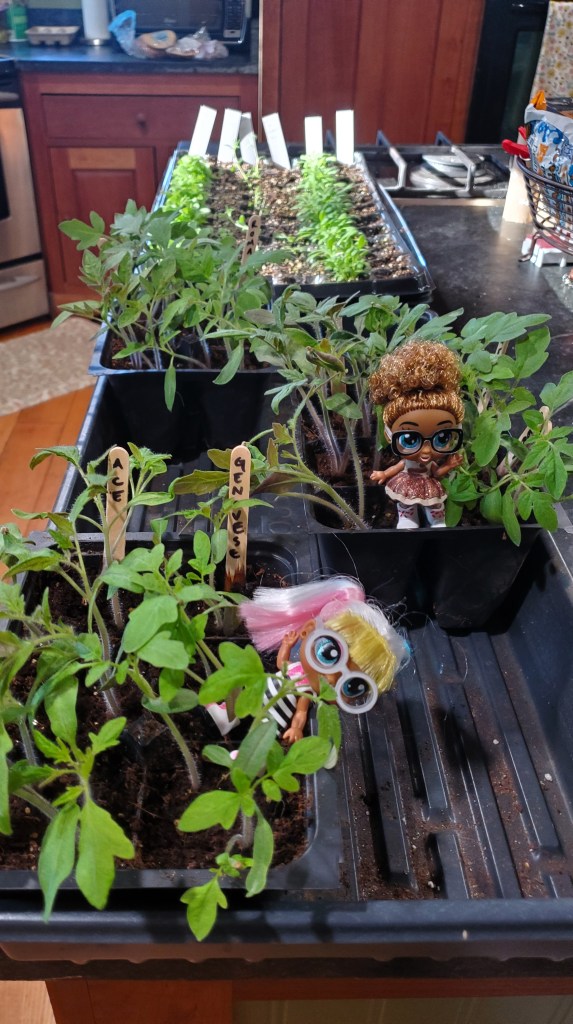
Buy any seedlings that you didn’t start yourself or that weren’t successful. It’s okay, it’s all learning and there is always next year. Two-thirds of my tomato seedlings died from gnats this year. Grrr!
Plant your seedlings later in the day on a cloudy day if possible and water them in well. It’s a big shock for these little babies so make it as easy as you can.
Equipment
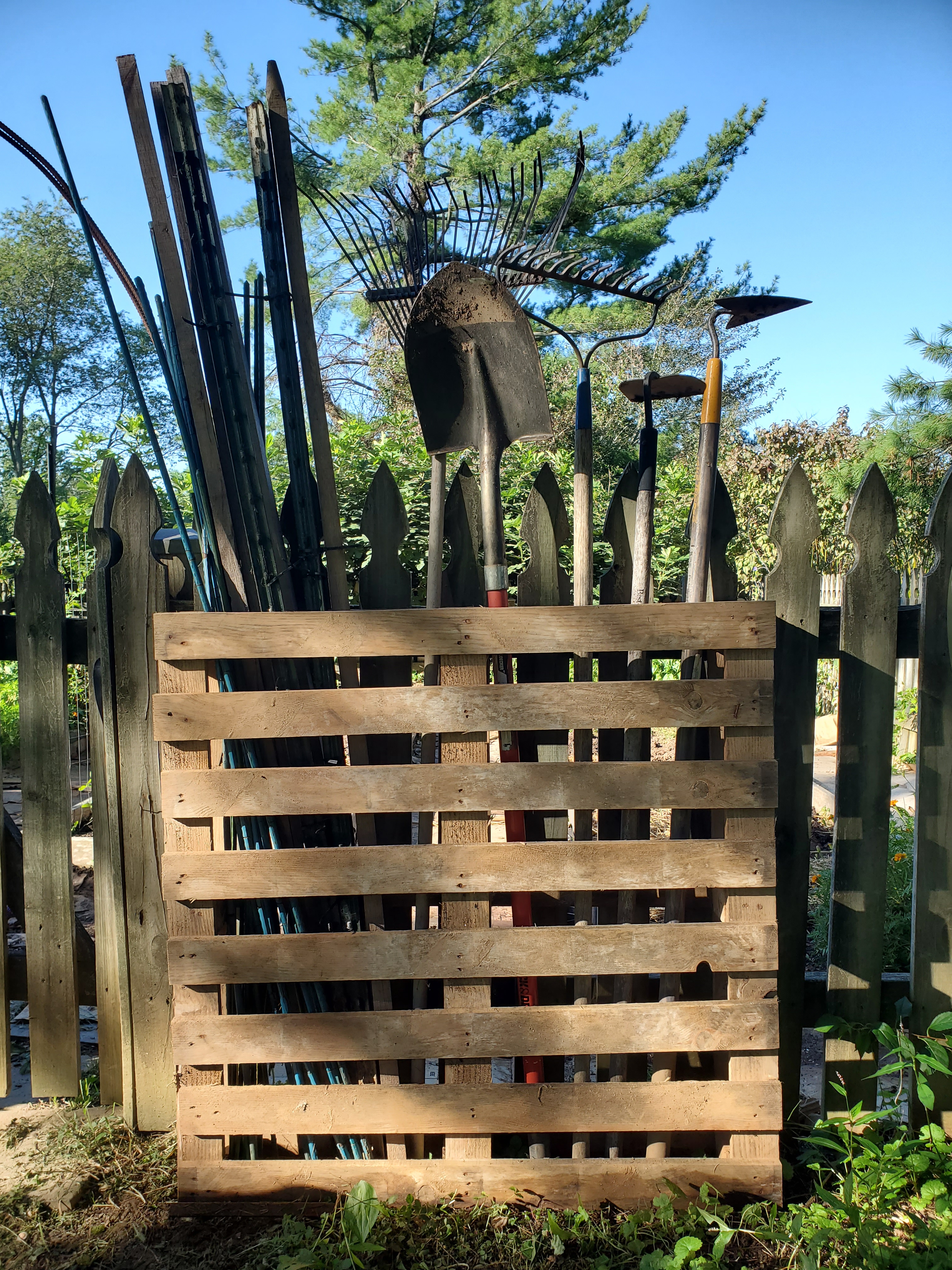
Get all your equipment and tools out of storage and located conveniently to where you will use them. On a weekly basis I use a hoe, rake, hori hori knife, a bucket, watering can, and a wheelbarrow. I keep everything right at the entrance to my garden, organized in a pallet #pallet projects
Put up fencing and trellises as needed for your crops that will need support for climbing – pole beans, tomatoes, berries, etc.
Buy clips and stakes to help support.
Get a gardening belt for your gloves and snips. I also keep a tape measure in mine too. You can use an old apron or a fanny pack. No judgement here – I bet you look fly😊
Maintenance
Buy the fertilizer you will need for the season. I like the AgroThrive brand.
Decide on your pest management strategy. Will you use BT (Bacillus thuringiensis) for X? Or DE (Diatomaceous earth) for Y? Do you plan to use a spray? If so, can you make an organic one yourself with natural ingredients? Or are you going to hand pick off slugs and remove eggs at 5am every morning? You won’t be able to prevent everything, there will be some losses. But get to know the pests most prevalent in your zone and get ahead of them.
Beautify
It can’t be all work and no play. If the garden is your retreat, add some beauty and pleasure. Plant some flowers. Add a bird feeder or bird bath. Grow some flowery vining plants along a fence or trellis.
Phew, it’s about the halfway mark of the summer growing season. How are you feeling? Eager? Overwhelmed? Excited? Disappointed? Surprised? Probably a mixture of many emotions on any given day. I’m out in the garden about an hour every morning and I love it. Can’t think of a better way to start my day with whatever coolness the day offers, the birds singing, and all my plants looking fresh and supple. But there are some days I just want to lie in bed.
I think it’s like a lot of things in life that take time and dedication, the midpoint can sometimes feel like a lull. The finish line still a ways away. So I’m trying to absorb the experience. Soak up the process. Take lots of notes, ponder what’s going well and what I might want to do differently next year. I’m learning that no matter how much I plan, no matter how much I read or how many videos I watch, and no matter what I do – nature makes the rules. And Momma Nature can change the rules at any time.
Just like everything else in life – training for a sports competition, preparing a presentation, catching the curveballs of parenting, and driving to the store – there will always be elements out of my control. I’m a planner and an organizer but all of my efforts still stop short of guaranteeing an outcome. If I’m only focused on the numbers or pounds of each crop harvested, I’m missing the point. The garden is wise. No matter what is happening, there is something to learn. And that’s why I’ve chosen this hobby. I’m always learning, and mostly about myself. There’s something to be said for quiet time in nature and appreciating its beautiful complexity.
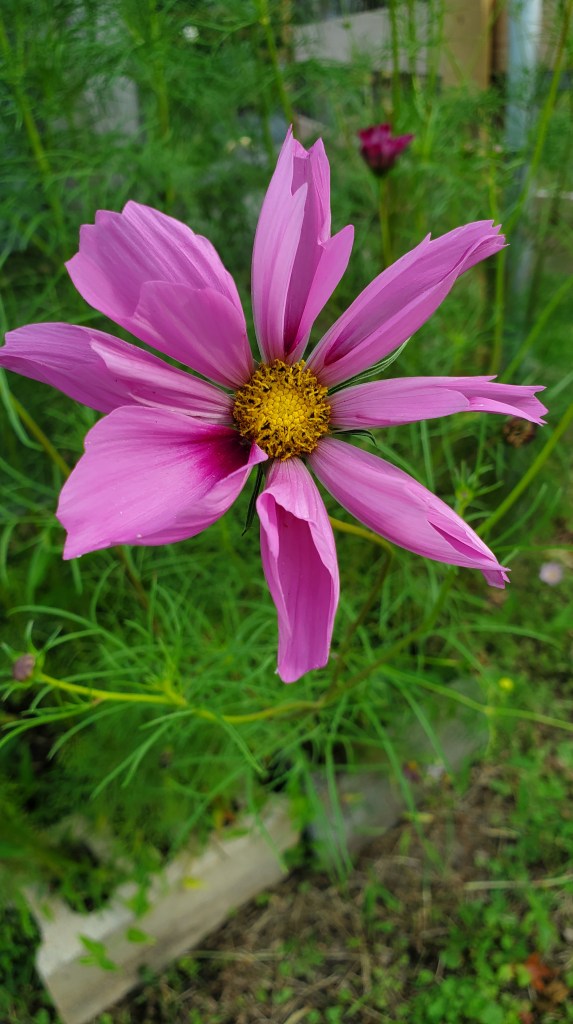
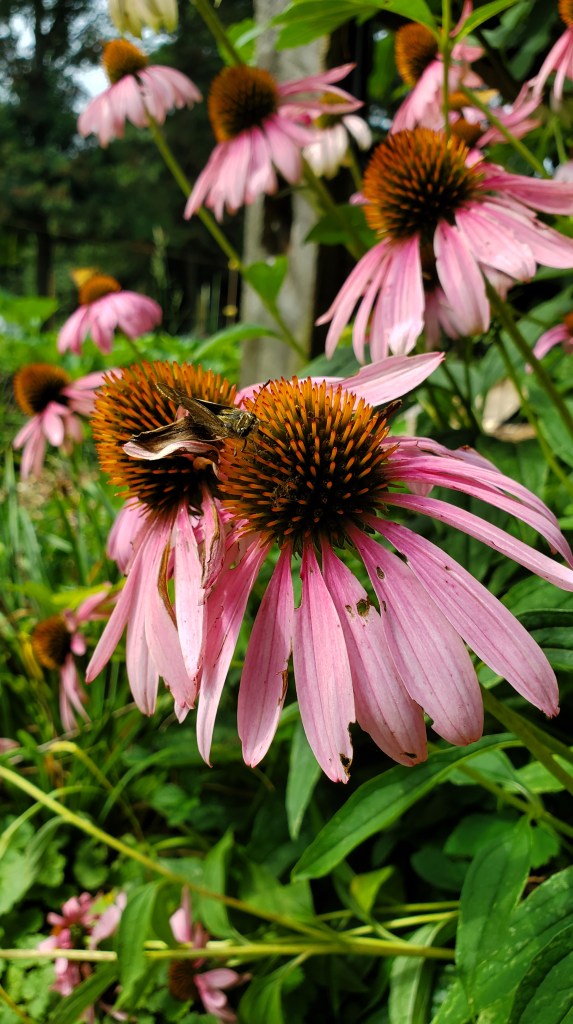
I made a point of planting flowers this year, mostly perennials, as a visual and physical reminder to stop and smell the daisies, susans, and cosmos (not a rose kind of girl). There’s always work to be done. And in equal measure there is time to simply be. And if I can’t remember that, seeing my dog relaxing in the grass is as good a reminder as any.
I hope your gardens are flourishing and I hope you are remembering to lie in the grass and watch the clouds float by.
Do you know who is in your garden right now? I mean, do you really know? The only way to know is by visiting your garden at different times throughout the day. Yes, I know that takes a little more time and planning but you can be smart about it. For example, do your weeding in the morning on Mondays and Wednesdays, and do your watering in the evenings on Tuesday, Thursdays and Saturdays. Midday is hottest and I’d venture to guess you’ll see the least action but hang out for 5-10 minutes and just browse your beds slowly. Usually we’re so focused on completing a task that sometimes we don’t stop to just observe and you’ll be surprised to learn who is creeping around. There’s a black snake that sleeps under the bin where I store stuff and there are two crows who dart in and out of my berries.
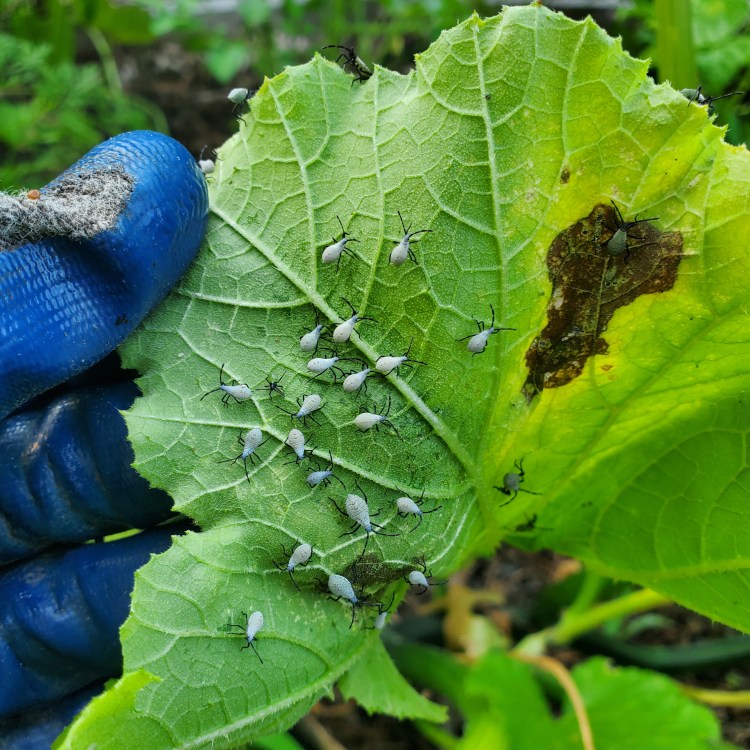
In the mid-Atlantic my two garden frenemies are squash bugs and Japanese beetles. Last year the squash bugs decimated my zucchini and cucumbers. The year before that the Japanese beetles feasted on my beans. It’s so frustrating to put in all the work, see everything start to blossom, and then from one week to the next, game over.
I prefer not to use any pesticides in my garden, so this year I’ve been focused on two strategies – prevention or distraction.
Prevention: I go out to my garden nearly every morning and inspect my squash plants. I turn over the leaves and I examine the stems of the plants. You’d be amazed at all the critters you find hanging out, to which I say, “Grrr, nobody invited you to this party!” I typically just smoosh them with my hand and if I see eggs on the leaves, I scrape them off with my finger nail. I’m also experimenting with a spray I made myself (#MIM) of 1 tsp peppermint oil and 1 tsp tea tree oil in 1 cup of water. After I’ve cleaned away the critters, I’m spraying the underside of the leaves and it seems to be working. The other prevention strategy is to keep your squash plants covered with fabric. I will likely experiment with this next year.
Distraction: You may want to consider various options for companion planting, nasturtium is highly recommended and I planted it near my beans, peas and asparagus and to be honest I don’t see a lot of bug action in those areas so it seems to be working. The other approach I’m using is planting a few of the crops I really want to ensure succeed in different locations, for example a big container near my front porch. I know the bugs can still find them but I’m hoping they leave these ones alone. Along these same lines is to stagger your planting. Such as putting out 3-4 squash plants in June, and then 3-4 more in July if your growing zone accommodates this. I guess it’s technically more sacrificial than distracting but it’s working so far.
I don’t know about you, but the cold temps of January make me nostalgic for warmer weather. I love experiencing all the seasons and I think that’s the point – there are things I love about each season and things that make me say “I can’t wait for this to be over.” Like right now I am bundling up in four shirts, two pairs of socks, a two layer coat, hat and gloves and I’m still frozen in about three minutes outside.
Being the planner that I am, I get really excited brainstorming about what I’m going to grow and try in my garden. I’ve been reading books (loved this one) and blogs for ideas, watching youTube channels (check out this guy) and reviewing our local Extension Office resources for different tips.
There are some different strategies I’m going to use this year that I’ll share soon, but one of the first things I did differently as I was starting to look through seed catalogues was categorizing each item as cool or warmweather in terms of when I’ll be harvesting. I realize this doesn’t pertain to all growing zones, but it helped me in ensuring I’m not going to overwhelm myself each season. Thinking about it this way, also helps me see how I will succession plant.
Try this-
To start, make a list of all the veggies you/your family likes to eat. Why grow something you don’t like to eat?
Next, refer to your local extension office website for recommended sowing dates. I love this chart but it is specific to my zone 7a. From this chart, I then put each veggie in the appropriate column. Check this out –
Cool
Warm
Arugula
Beans (bush and pole)
Asparagus
Cucumbers
Beets
Okra
Broccoli
Pepper
Brussels (fall only)
Summer Squash
Carrots (spring only)
Tomatoes
Cauliflower
Winter Squash
Collards
Kale
Lettuce (plant in the shade during warmer months)
Onions
Peas
Spinach
Then I got out my calendar and started figuring out the seed start and direct sow dates. I’ve made about four spreadsheets and tables so I think I’ve gone too far but I am confident I’ll land upon one chart that works for me to just slightly tweak each year.
I know this sounds like a lot of work but START SMALL. Just two years ago I started with only about five crops – tomatoes, peppers, lettuce, kale and beets. Last year I added a few more, and this year a few more. Each season you’ll get better at a few things and feel confident dabbling in some other areas. The worst that can happen is you have to go to the store and buy it instead of eat it from your own garden.
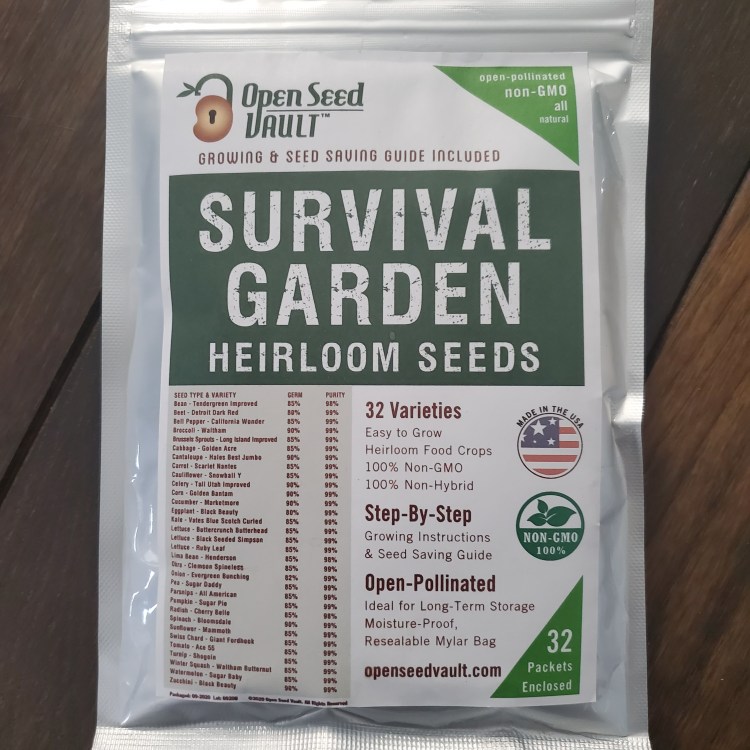
If you haven’t picked out and ordered seeds yet, I would do that ASAP (see my post about the companies I’ve ordered from and like). With COVID-19 continuing to impact our lives for an unforeseen amount of time, many more people are gardening which is great. But due to shortages, travel restrictions, and other impacts of coronavirus, not all seeds are being stocked as abundantly. Don’t freak out – that is not my point. And if you are looking for just a one size fits all option, check out the coolest gift my brother gave me for Christmas.
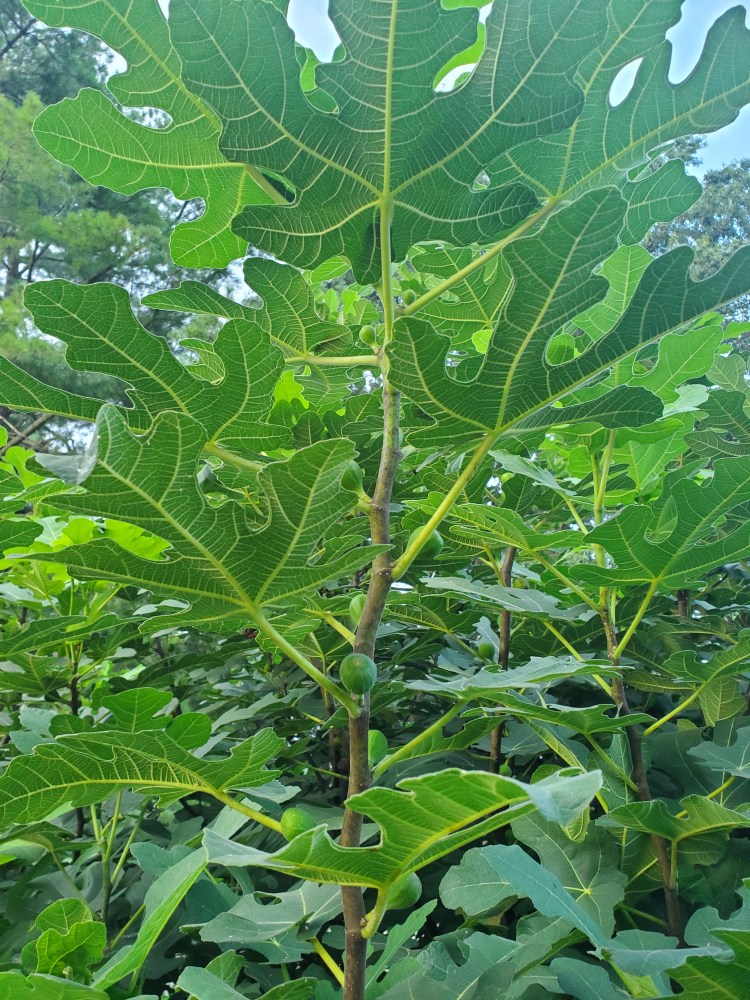
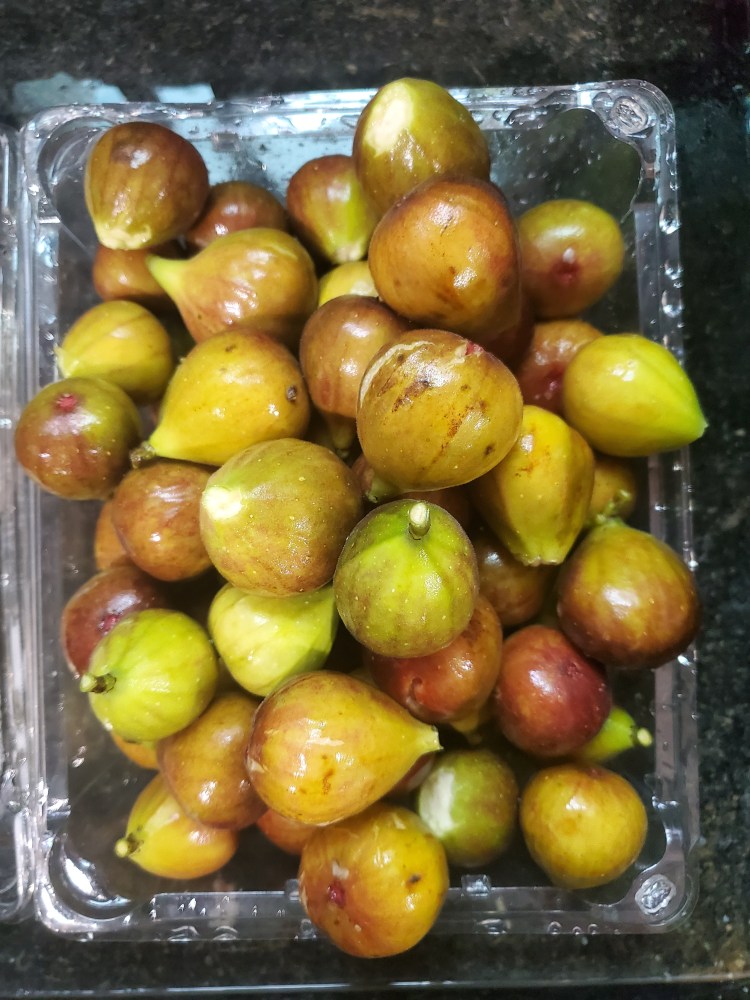
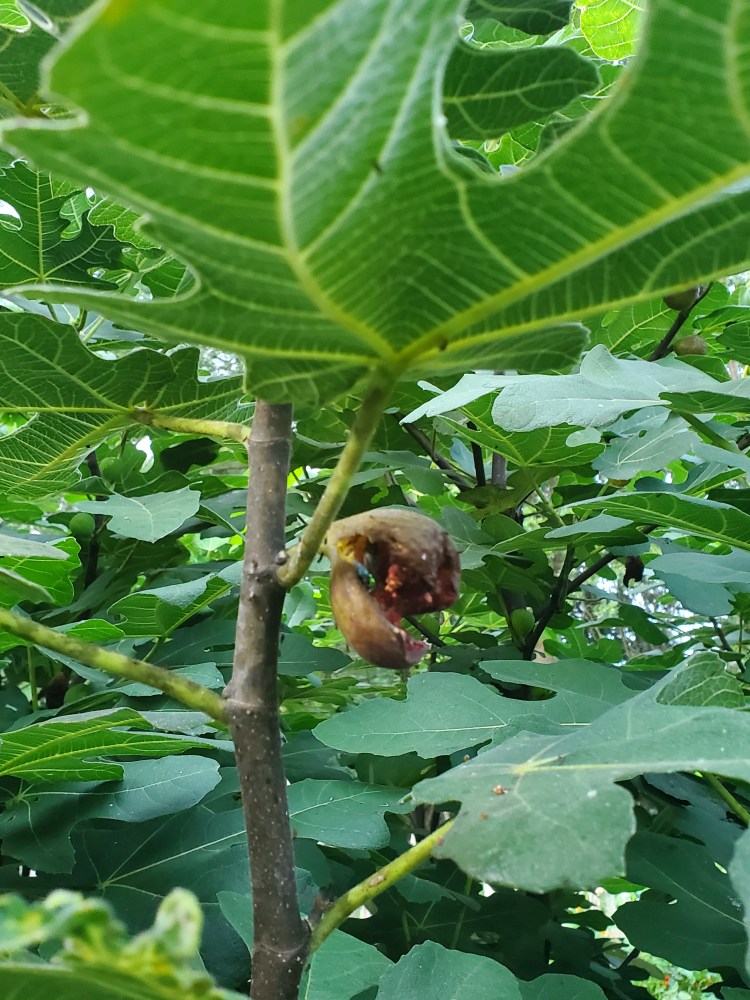
We have figs! This feels like such a momentous accomplishment. Last year, we had absolutely zero figs. We were bummed and not sure what we did wrong. I had read that fig trees can be a tad temperamental, some years great harvests and others not so much. The two main factors I researched that we had control over and thus attempted to solve for were the following.
Figs like warm climates. In the mid-Atlantic we can have some pretty cold winters with lots of snow and ice. This past winter, however, was very moderate, and I’m guessing this worked in our favor. We also did our part to insulate the roots with lots of mulch, grass clippings and leaves last November. I also read that you can bend the branches down to the ground and then cover them with a tarp to keep them protected during the winter but we did not do that.
Clear out the dead wood. We did not properly prune the dead branches the first winter we lived here and I think that contributed to lack of growth last summer. We also have some pretty invasive weeds that completely choked our raspberries this summer so they needed to be hacked back quite significantly around the base of the fig trees.
One thing I’m curious about is the number of bursting figs that are on the branches. This is interesting to me because I had so many ‘bursting’ tomatoes this summer and was wondering if it’s also due to an excess of moisture.
In any case, the figs are absolutely delicious and we have more than we can eat. I was thinking about making a fig jam but just haven’t had the time. Isn’t that always the case…
Life has been pushing me. I’m literally looking up at the sky saying, What next?!? Aside from getting punched in the stomach and throat with life-altering news last month, the chicken drama has continued (let me repeat: NEVER buy chickens on craigslist), and the stand-alone freezer in our mud room stopped working, in addition to the freezer of our fridge not cooling properly. Is it wrong that I’m having fantasies of walking away from an explosion in slow motion (a la every action movie ever) with some dirt on my face, my biceps bulging, wearing ripped jeans? I seriously want to light a match to my life right now (not literally of course).
To cope I’ve been doing the time-tested approach of denial distraction. Staying as busy as I can in this sweltering heat. Out in the garden most mornings – weeding, pruning, watering and picking. I’ve said this before but the major positive of staying at home is more time in the garden (and, errr, with my family of course ;).
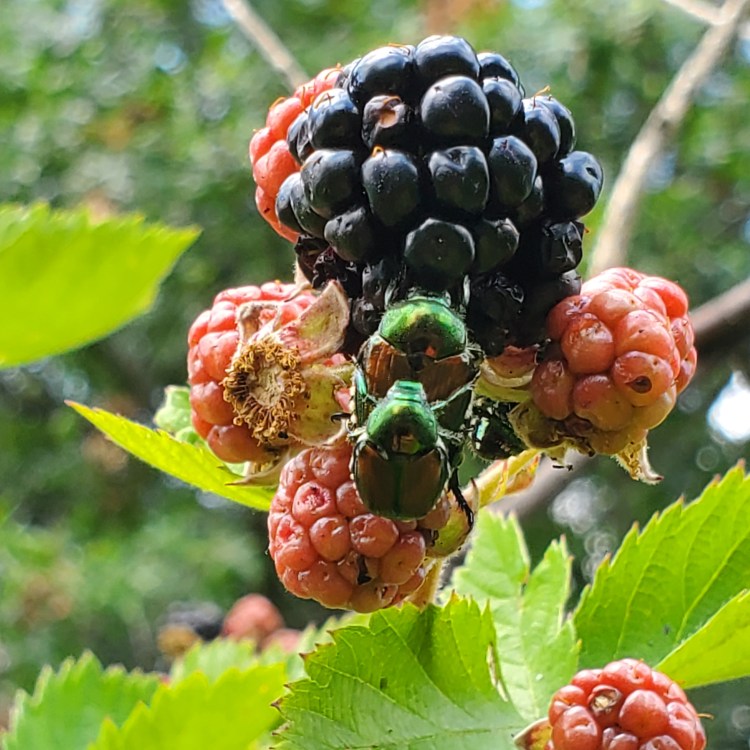
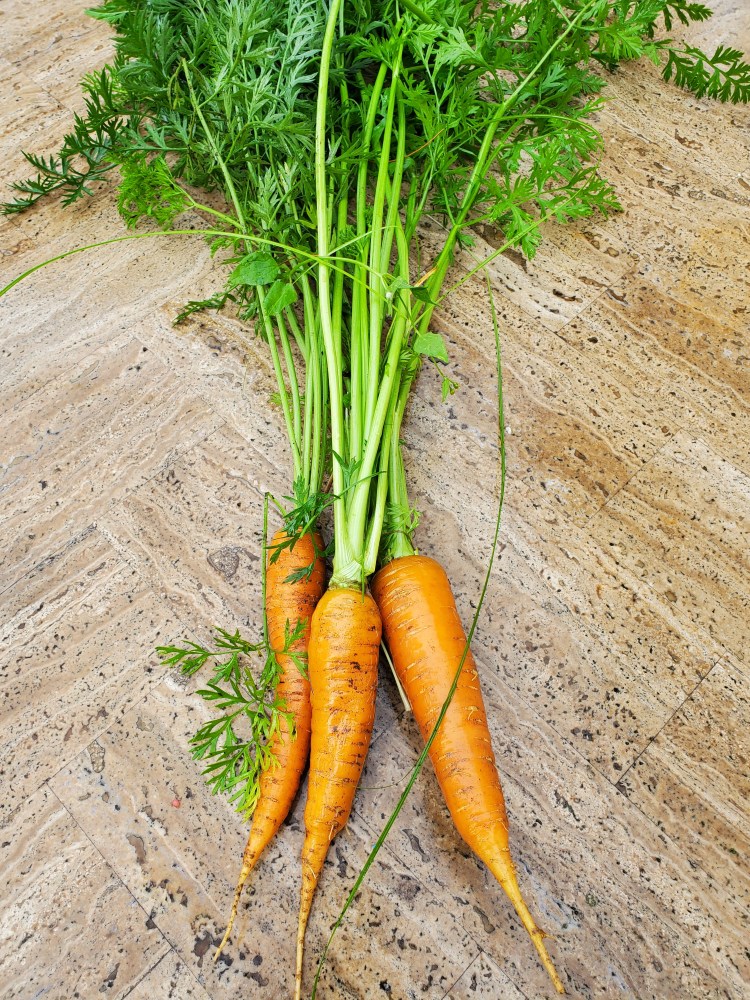
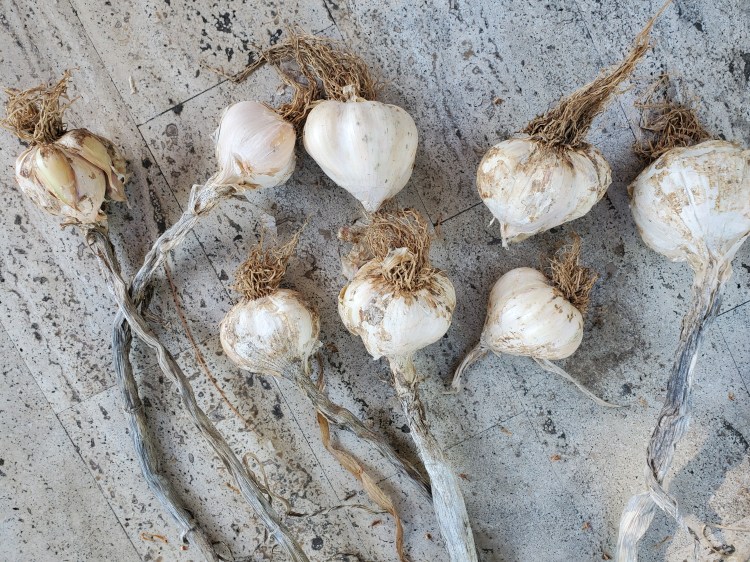
Here’s what my summer harvest is showing: carrots are cranking, green and wax beans are all over the place (must trellis these differently), two ginormous zucchinis and nothing more from that plant which feels like I did something wrong, the garlic I never knew I planted all fell over so I knew it was time to pull them and I got about 8 decent bulbs. And the blackberries just won’t stop. Japanese beetles ravaged my green beans last year and this year they are all over the berries.
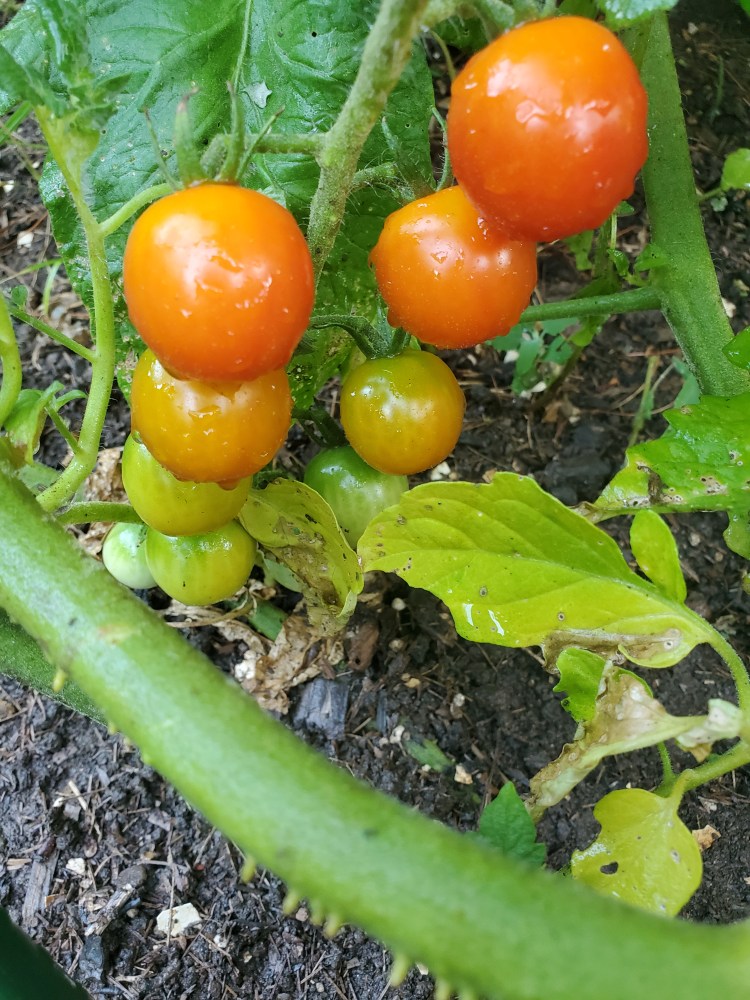
Lettuce is pretty much down for now (I’ll wait until it cools off to plant more) and all my tomatoes are on the way, just starting to eat a few cherry ones (seems late). My corn is looking good, my butternut squash plant has at least 10 growing, but my cucumbers are not really producing. I also have three surprise pumpkins that are clearly an accident (must have come from the compost).
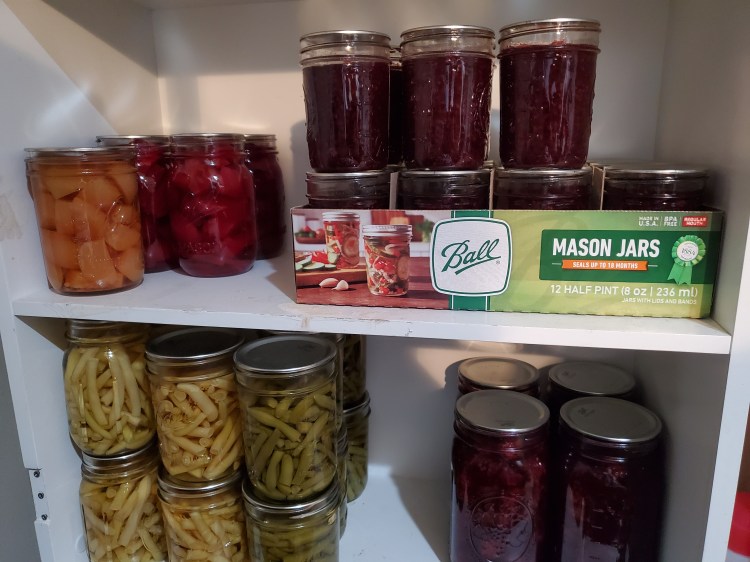
I’ve made some attempts at preserving as well. Let me tell you, the first run of the pressure cooker was such an ordeal. It’s not complicated or even difficult, I think I just psyched myself about all the ways I could mess up. Eventually, two and a half hours later, I had 6 pints of green beans. Wahoo – small wins! I’ll do a post soon on “the more you know.” My main question is will any of this stuff taste good? I could do like 40 pints that aren’t tasty and then what? Trial and error I guess
Well, I’ll be keeping going and I’m sure you will too. Things will get better and it reminds me of the scene from one of my favorite films from teenage-hood Good Will Hunting. Robin Williams and Matt Damon (call me!) are talking during one of their sessions and Robin says “You’ll have bad times, which wake you up to the good stuff you weren’t paying attention to.” I guess it was my time to get woke.








 farmcharmblog.com