Seed Start Now for Your Summer Garden
It’s the most wonderful time of the year (you know the tune). We’ve spent the majority of our days indoors for the last few months, with more darkness than light. And it wasn’t even a harsh winter in the Mid-Atlantic. Nevertheless, I think our bodies follow the seasons to some degree (or would if we listened to them!) so I am ready for the re-awakening that Spring represents. Grasses growing, leaves budding, flowers blooming.
Early March is when I need to start seeds for a few of the crops that need 6-10 weeks of lead time before going outdoors into the ground after the danger of frost has passed. You don’t need to do this for everything, and if you live in the warmer zones 8 and 9 of the country you likely don’t need to do this at all lucky ducks.
How do you know if you need to seed start? If you google your last and first average frost dates that will give you the length of your outdoor growing season. For example, if your last frost date is May 1 and your first frost date is October 1, you have about 150 days in your growing season which could limit the crops you can grow that need 90-120 days of warm weather or cool crops that you want to get a harvest from in the spring and fall. For that reason, it’s pretty common to seed start the following:
- Broccoli – 6-8 weeks before last frost
- Cabbage – 6-8 weeks before last frost
- Cauliflower – 6-8 weeks before last frost
- Onions – 10-12 weeks before last frost
- Peas – 8 weeks before last frost
- Peppers – 8 weeks before last frost
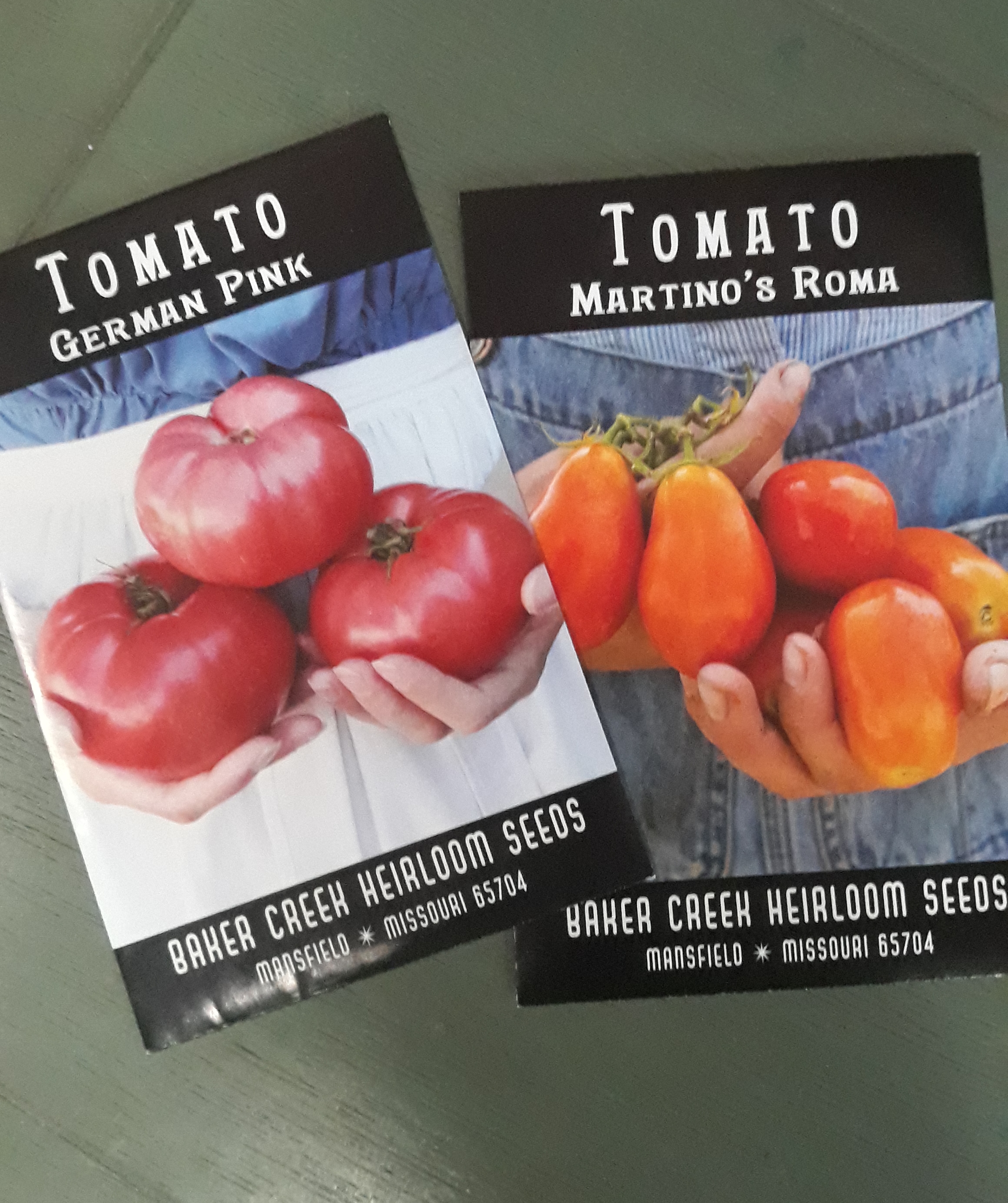
- Tomatoes – 8 weeks before last frost
Growing medium to use for seed starting: it is recommended to not just go out in your yard and get a bucket of dirt. You don’t know what bugs and bacteria you may be bringing into your home. This is the time to buy a bag of organic potting soil for veggies. You can make your own using 1/3 each of compost, vermiculite and peat moss but I personally have never done that. You should also pasteurize the soil by baking it. Not gonna lie, I skipped the pasteurizing step this year so I will let you know what happens.
Containers to use for seed starting: There are tons of options for containers that you likely have on hand (I always try to re-use something):
- Egg cartons – any paper or plastic egg carton will work well. There are pros and cons for each. The paper carton can be cut up and you can plant the seedling right in the ground when the time comes, but it doesn’t have a lid that light can get through. Plastic cartons essentially create their own greenhouse and are reusable. The plastic cartons will also keep moisture better than the cardboard. I used cardboard last year and will again this year.
- Toilet paper rolls – since everyone ran to the store to get TP due to COVID-19 you likely have a ton of toilet paper and what better use for the empty rolls than some seed starting. Just line them up vertically in a tray and fill with your growing medium. Check out Preparedness Mama for her demo.
- Berry containers – similar to the egg carton situation in that the container will create its own greenhouse effect. The only difference is that you don’t have the separate sections for each seed.
- Be creative! My goal is to always reuse something. Some empty tissue boxes, a clamshell tray that figs came in, a baby wipe container, or the little cartons that mushrooms come in.

Sunlight needs: your little babies need at least 12-14 hours of sunlight. If there is a sunny window in your house that gets southern exposure for the majority of the day and isn’t too drafty, then you’re golden. If not, you probably need to get a grow light. This being my second year starting seeds, I have not invested in a big light setup. I have used a standard lamp with an adjustable neck so that I can move it closer to begin with (4-6”) and then a little further away as they get bigger (6-10”).
Now that you’re all set up, enjoy starting your seeds and get excited for the bounty to come!

 farmcharmblog.com